
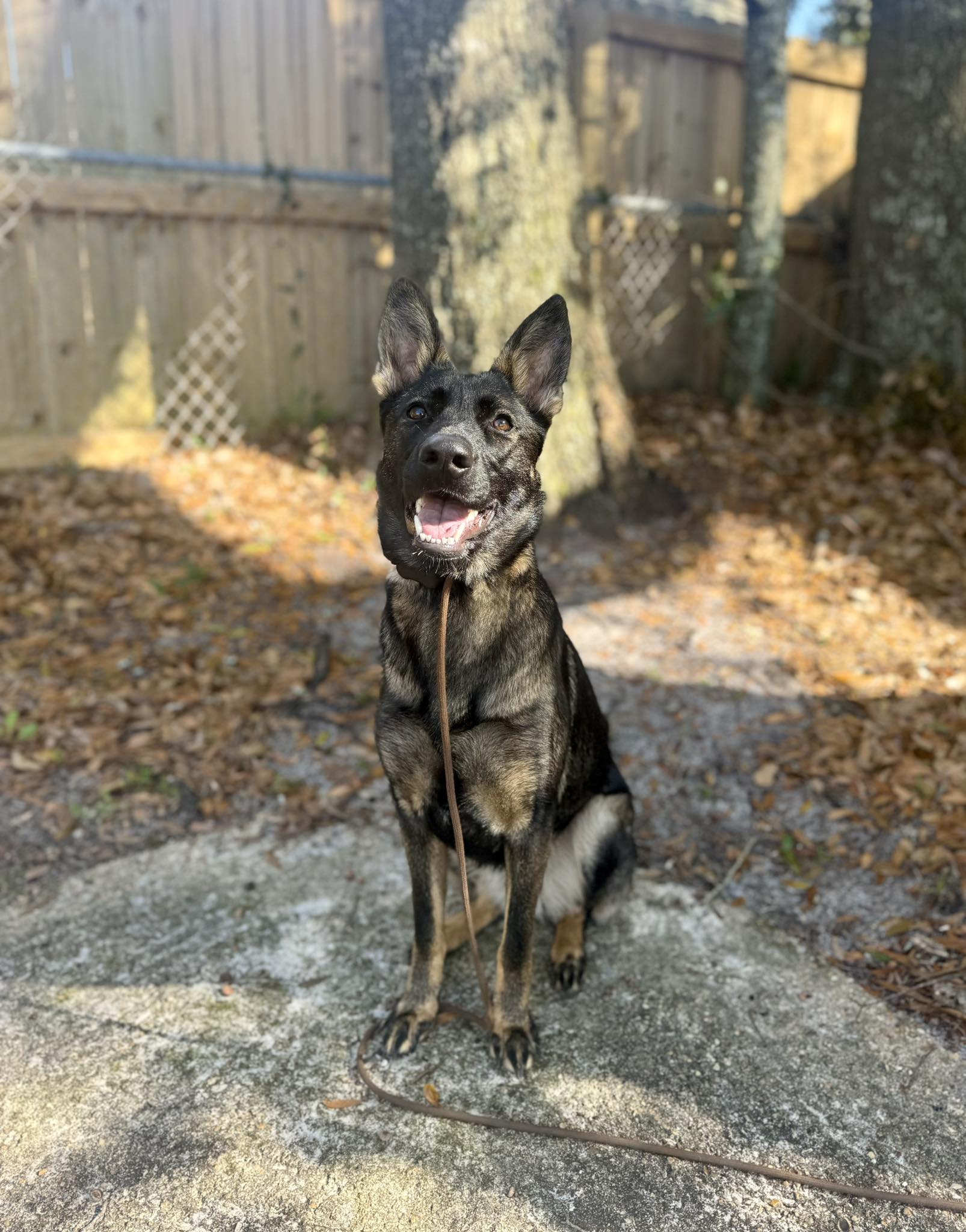
If you want to know how to train a dog to stay, start smaller than you think. Ask for a sit or down, reward your dog for holding the position for a second or two, then release them with a clear word. Build duration first, then introduce new challenges such as distractions and distance one at a time.
A reliable stay makes everyday life easier, from answering the door to loading groceries or settling at a vet visit. This guide walks Santa Rosa Beach dog owners through each step using positive reinforcement, along with the mistakes that slow progress and how to practice stay safely.
Key Takeaways
- “Stay” means holding a position until you give a release cue.
- Start from a sit or down, and reward while your dog is still in position.
- Build duration first, then add distractions and distance gradually, changing only one difficulty at a time.
- Use one consistent release word so your dog always knows when the stay ends.
- A stay supports leash control. It never replaces a leash, gate or car restraint.
What “Stay” Means and How It Differs From “Wait”
“Stay” asks your dog to hold a specific position, such as a sit or down, until you give a release cue. “Wait” is a shorter pause, often at a door or crate, before your next instruction. Teaching them as separate cues helps your dog understand exactly what you expect.
The AKC’s guide to teaching stay describes stay as remaining in position until released, while wait means holding on for a moment. Cornell’s Riney Canine Health Center makes the same distinction: wait keeps your dog alert for what comes next, while stay lets them settle until you come back.
Before You Start: Position, Rewards and a Release Cue
A little setup makes the training go much more smoothly.
Choose a Sit or Down
Teach stay from a position your dog already knows well. Best Friends Animal Society suggests starting from a down, since it is more comfortable for a dog to hold. If your dog is still learning the basics, our list of 7 commands every dog should know is a good place to start.
Pick One Release Word
Your release word tells your dog the stay is over and they are free to move. Choose a short word you do not use in everyday conversation, such as “free” or “break.” Avoid common words like “okay,” which you may say without meaning to end the stay.
Have Small, High-Value Rewards Ready
Use soft, pea-sized treats your dog loves. Many trainers also use a marker word such as “yes” to mark the exact moment the dog is doing it right. Practice in a quiet room first, with short sessions that end while your dog is still succeeding.
How to Train a Dog to Stay, Step by Step
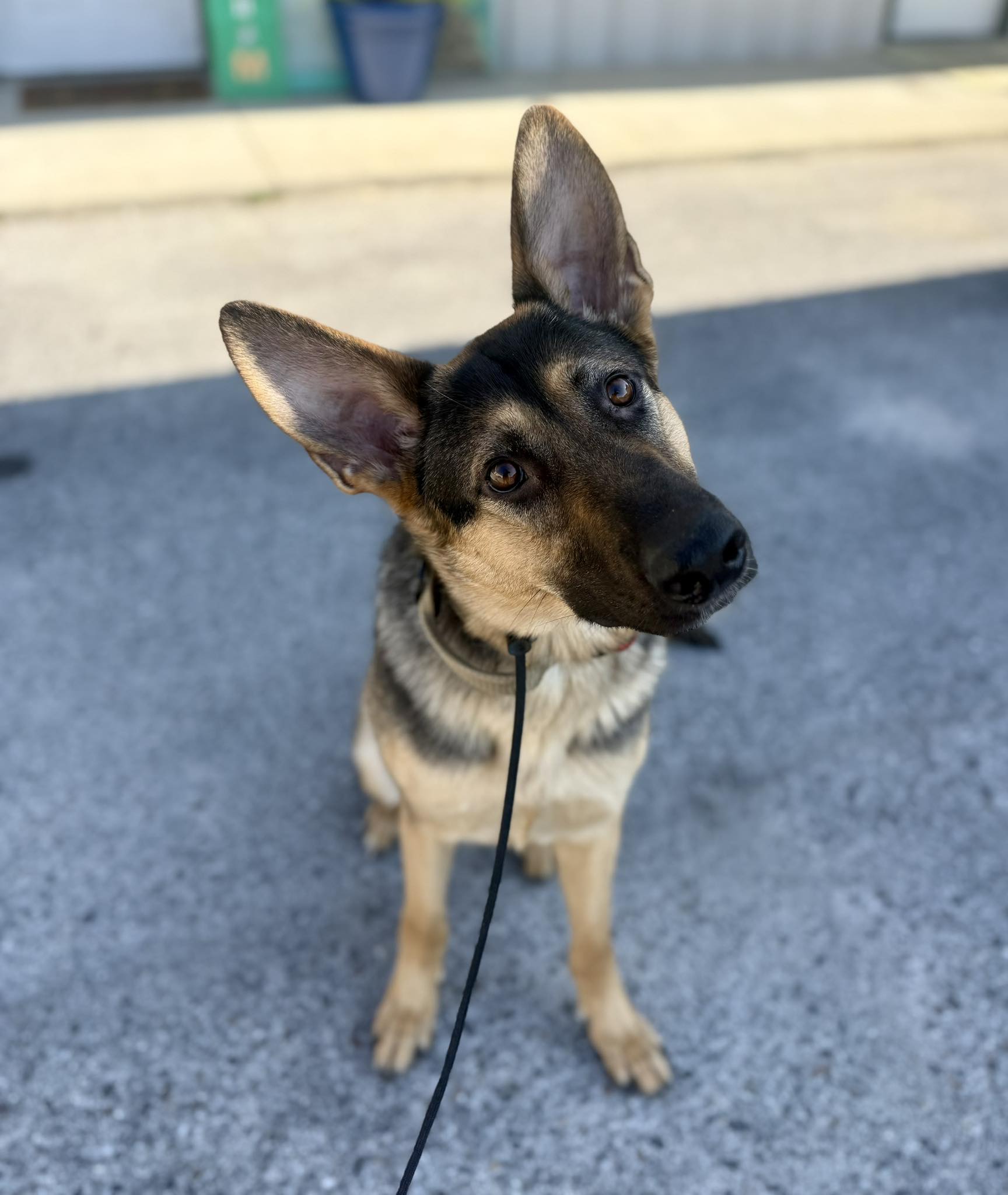
Teach stay in small steps: ask for a sit or down, say “stay,” reward after a second or two while your dog holds the position, then use your release word. Build duration first. Add distractions and distance gradually, working on only one new challenge at a time and making the other parts easier when difficulty increases.
Step 1: Start With a One-Second Stay
Ask for a sit or down, say “stay” once and stand right next to your dog. After a second, reward them in position, then say your release word and invite them to move. The AKC’s trainers recommend staying within touching distance at first, so you can reward before your dog gets up.
Step 2: Build Duration
Slowly stretch the time between “stay” and the reward: two seconds, then three, then five. Mix in some easy, short stays so the exercise does not always get harder. The AKC suggests building duration to at least 30 seconds before adding distance or distractions.
Step 3: Add a Small New Challenge
Once your dog can hold a short stay reliably, begin adding either a mild distraction or a small amount of distance. For example, place a toy several feet away or take a single step back. Keep the stay shorter when you introduce something new, and increase only one difficulty at a time.
Step 4: Add Distractions
Start with something small, like a toy resting on the floor a few feet away. The AKC’s distraction training guide recommends starting with a minor distraction and building up slowly. Stand close and keep the stay short while your dog learns to ignore it.
Step 5: Return, Reward, Then Release
During early practice, return to your dog, reward them while they are still in position, and then give the release cue. This teaches your dog that returning to them does not end the stay. The exercise ends when you give the release cue.
Reward While Your Dog Is Still in Position
Deliver the treat while your dog is still sitting or lying down. Rewarding after they stand up teaches them that getting up earns the treat. As your dog improves, reward at less predictable moments and add praise or play so the stay does not depend on food forever.
Teaching a Puppy to Stay
You can teach a puppy to stay with the same steps, just in smaller pieces. Keep sessions to a few minutes, ask for only a second or two at first, and reward generously. A young puppy’s attention span is short, so frequent, quick practice works better than long sessions.
The AKC’s guide to basic puppy cues suggests adding distance only once a puppy can hold a sit for several seconds, starting with a single step back. Practice when your puppy is calm, not right after waking up or during a burst of energy. If your puppy keeps popping up, make the next stay shorter and easier.
Common Stay Training Mistakes
Most stay problems come from a few habits that are easy to fix.
- Raising the difficulty too quickly. The AKC’s trainers warn against turning stay into an endurance contest. If your dog breaks, go back to a shorter time or closer distance that worked.
- Repeating “stay” over and over. Saying it again and again teaches your dog that the first cue does not count. Say it once, and if your dog moves, calmly reset.
- Inconsistent or missing release cues. If you sometimes walk away without releasing your dog, they learn to decide for themselves when the stay ends. Use the same release word every time.
- Calling your dog out of every stay. During early training, return and release your dog often so they do not begin anticipating a recall every time you walk away. Stay-to-recall can be practiced later as a separate, intentional exercise.
- Punishing a broken stay. Scolding can make your dog nervous about the exercise. A calm reset and an easier repetition work better.
- Practicing in only one spot. Dogs do not generalize well, so a stay in the kitchen may not hold up in the yard yet. Practice in new places at an easier level first.
Practicing Stay Safely in Everyday Life
A stay is useful at doorways, in the car, during grooming, and at the vet, but it should support your other safety tools, not replace them. Keep your dog leashed near roads, parking lots, and crowds; use gates and car restraints; and practice stay in calm settings before relying on it in busy ones.
Around Santa Rosa Beach, busier sidewalks, pet-friendly public areas, parking areas, people, and other dogs can add difficulty to stay practice. Practice there only after your dog holds a stay well at home, and keep the leash on the whole time. If your dog is overwhelmed, increase your distance from the distraction and ask for a shorter, easier stay.
For longer periods of calm, such as during dinner or when guests arrive, a mat or bed can help. Our guide to the place command explains how to teach your dog to settle in one spot.
When to Get Help From a Trainer
If your dog breaks every stay despite short, easy steps, seems stressed during practice, or bolts through doors or out of the car, a trainer can help. They can spot timing or setup issues that are hard to see on your own and build a plan around your dog’s personality and your daily routine. Learn more about dog obedience training in Santa Rosa Beach.
Final Thoughts
Learning how to train a dog to stay comes down to small steps, well-timed rewards, and a release word you use every time. Build duration before distance and distractions, reset calmly when your dog breaks, and treat the stay as one more safety tool alongside a leash. With patience and consistent practice, many dogs learn to hold a calm stay in more and more places.
Contact Us
If you would like professional help building stronger obedience for everyday life in Santa Rosa Beach, learn more about Off Leash K9 Training 30A’s dog obedience training options. Current obedience programs include extended Sit, Down, and Place work, along with other skills depending on the selected program.
Call (850) 616-2800 or schedule a free phone consultation to discuss your dog’s current skills and training goals. You can also review current programs on the Plans & Pricing page.
Frequently Asked Questions
How long does it take to train a dog to stay?
There is no set timeline, because progress depends on your dog’s age, focus, and how often you practice. Short, frequent sessions usually work best. The AKC recommends building duration first and adding distance and distractions only after your dog can hold a stay for at least 30 seconds.
What is the difference between stay and wait?
Stay means your dog holds a position until you give a release cue. Wait generally means a shorter pause before another action or instruction. Cornell’s Riney Canine Health Center recommends teaching them as two separate cues so your dog knows what each one means.
What release word should I use?
Choose a short word you do not use often in conversation, such as “free” or “break.” The exact word matters less than using it every single time. Avoid “okay” if you say it often, since it can end a stay by accident.
Why does my dog keep breaking the stay?
Your dog may be breaking the stay because the duration, distance, distraction level, or combination of those factors is too difficult for their current skill level. Go back to a shorter, closer, and quieter version your dog can do, then build up again more slowly. The AKC’s trainers advise moving closer and shortening the stay whenever it becomes difficult.
Can I teach a puppy to stay?
Yes. Puppies can learn stay with the same steps in shorter, simpler sessions. The AKC suggests waiting until your puppy can hold a sit for several seconds before adding distance, one step at a time.
