
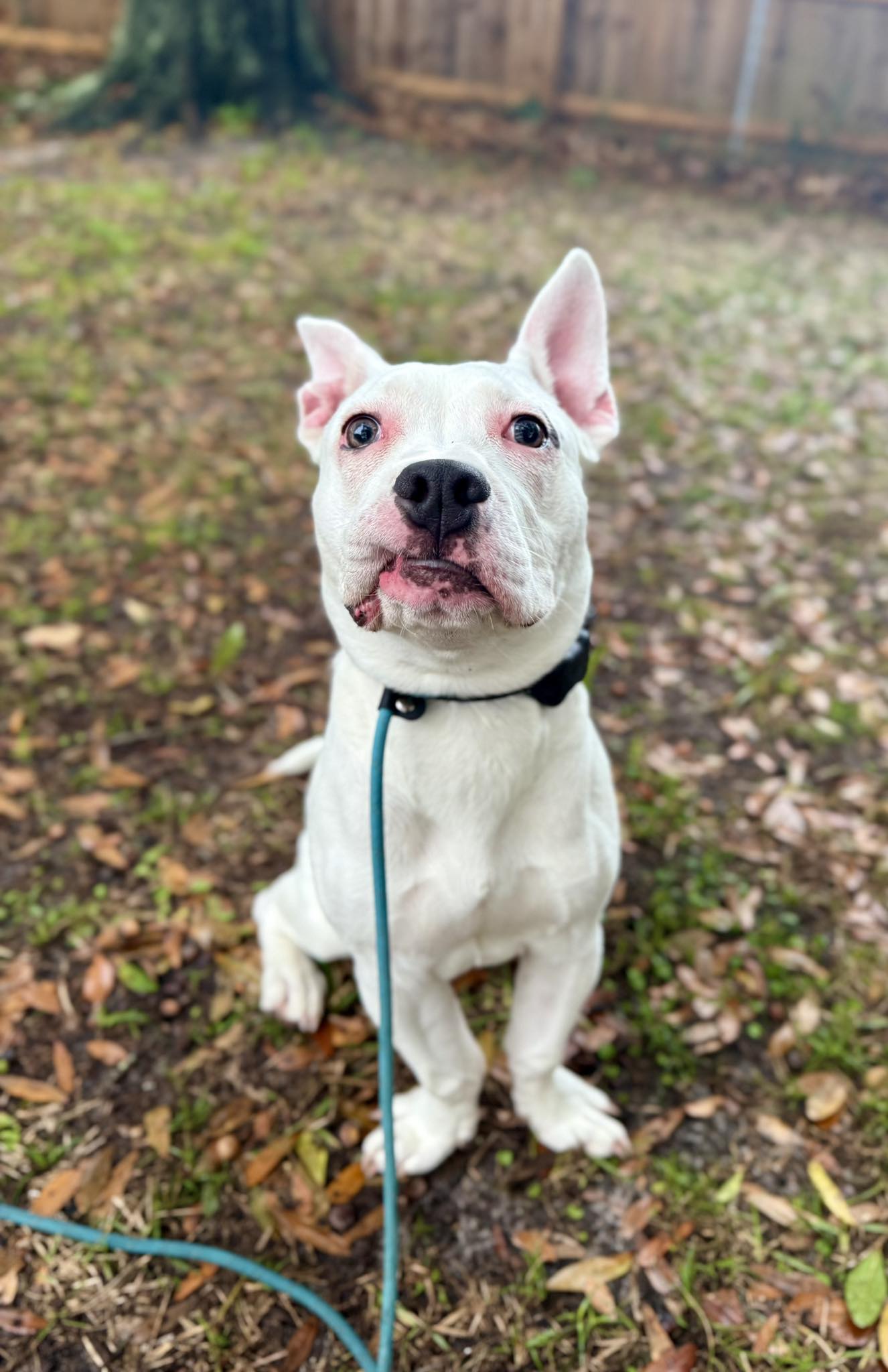
Your new puppy finally has a leash, and the first walk looks nothing like you pictured. One minute they plant all four paws on the driveway, and the next they zigzag after a leaf. Leash training a puppy takes patience, but it is one of the most useful skills you can teach in the first months at home.
Puppies are not born knowing what a leash means. They learn it through short, positive repetitions. This guide walks Santa Rosa Beach puppy owners through when to start, what gear to choose, how to teach loose-leash walking with rewards, and when to ask for help.
Key Takeaways
- Start leash training a puppy indoors soon after they come home. Before practicing in public areas while vaccinations are still incomplete, ask your veterinarian which environments are appropriate.
- A well-fitted collar or harness, a standard leash, and small treats are enough to begin.
- Introduce the leash in small steps so your puppy links it with treats, not pressure.
- Teach loose-leash walking by rewarding your puppy near you and pausing when the leash tightens.
- Keep sessions short, especially in Florida heat.
When to Start Leash Training a Puppy
You can start leash training a puppy soon after they come home, often around 8 weeks of age. Early lessons happen indoors or in your yard and focus on getting comfortable with a collar or harness and a leash. Walks in busier public places can wait until your veterinarian says your puppy is ready.
The American Kennel Club’s guide to leash training notes that you can introduce loose-leash basics even before a puppy is fully vaccinated. Starting early helps your puppy accept the leash as normal before habits like pulling or freezing form.
Practicing Safely Before Vaccinations Are Complete
Many owners worry about taking a puppy outside before the vaccine series is complete. The American Veterinary Society of Animal Behavior supports appropriate early socialization before full vaccination. Its puppy-socialization guidance notes that organized puppy classes may begin as early as 7–8 weeks when puppies meet appropriate vaccination, deworming, and health requirements.
For leash practice, begin at home or in other low-risk environments your veterinarian considers appropriate. Avoid heavily trafficked areas used by unfamiliar dogs until your veterinarian says they are suitable for your puppy’s age and vaccine status.
Choosing the Right Leash Training Equipment
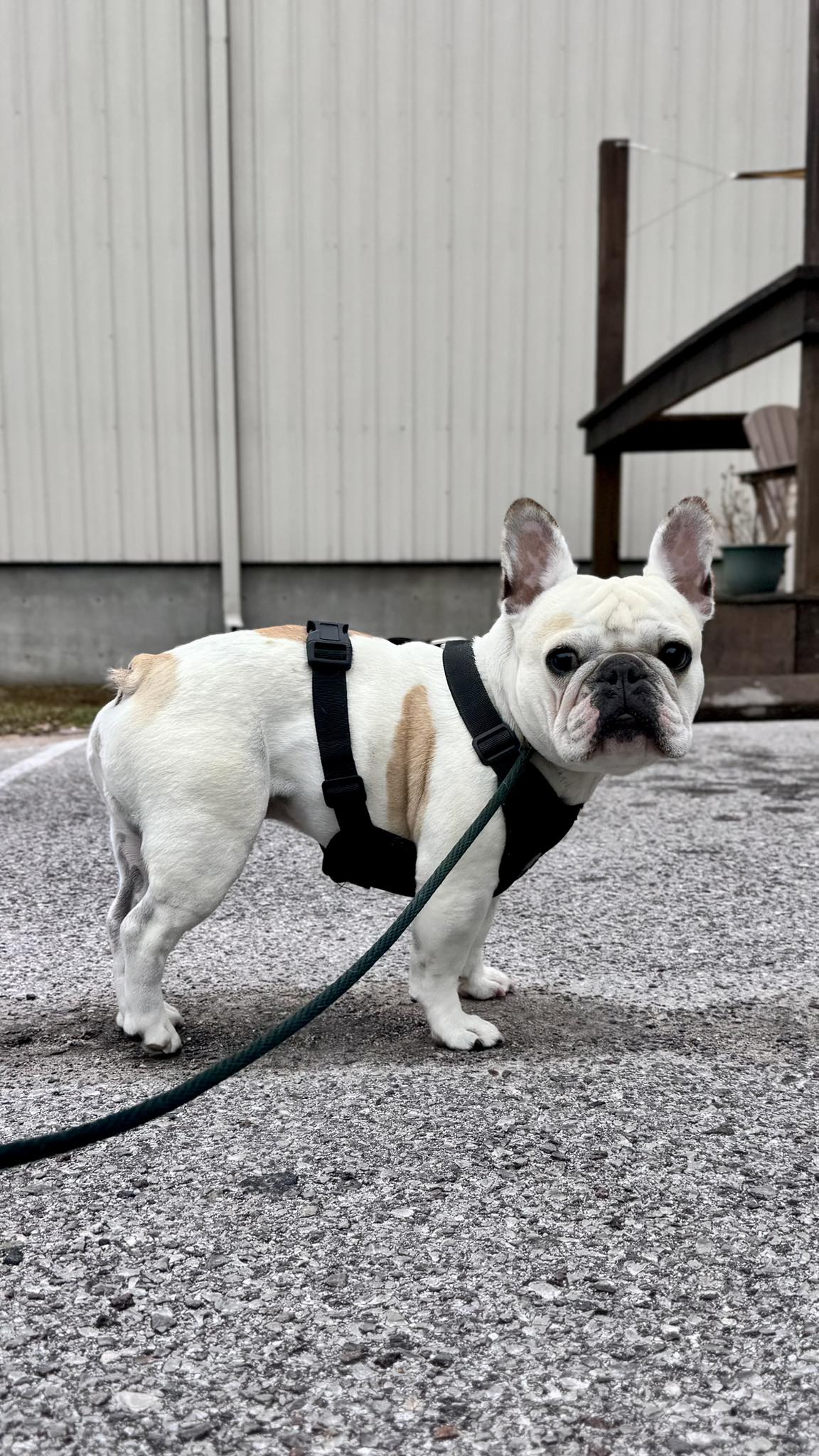
For most puppies, a well-fitted flat collar or harness, a standard leash, and small, soft treats are all you need to begin. Choose gear that fits your puppy’s size today, check the fit often as they grow, and avoid anything that makes walks uncomfortable or confusing.
Collar or Harness
Both can work. According to the AKC, you can attach the leash to either a collar or a harness, and a front-clip harness may help larger puppies. Many owners of small puppies also prefer a harness because it spreads pressure across the chest instead of the neck.
Fit matters more than style. Hill’s guidance on choosing a collar, leash or harness suggests leaving room for two fingers between the collar and your puppy’s neck, without making it loose enough to slip over the head. Puppies grow quickly, so recheck the fit every few days.
Leash Length and Type
A standard leash of about 4 to 6 feet gives you control while leaving enough slack for a relaxed walk. Retractable leashes can make early loose-leash training harder because the leash length changes as the puppy moves and pulls against tension. A standard leash provides a more consistent distance while your puppy is learning. For more on materials and lengths, see this guide to choosing the right leash.
Treats and a Marker Word
Bring small, soft treats your puppy loves. Many trainers also use a marker word such as “yes” to tell the puppy the exact moment they did something right, followed by a treat.
How to Introduce Your Puppy to the Leash
A puppy who is nervous about the leash will not learn much on a walk. These four steps help your puppy see the leash as a good thing before you ever head out the door.
Step 1: Let Your Puppy Wear the Gear Indoors
Put the collar or harness on during play or mealtime, give a treat and take it off after a few minutes. Repeat several times a day and slowly increase the time.
Step 2: Let the Leash Drag Under Supervision
Clip on a lightweight leash and let your puppy walk around a room with it trailing behind. Stay close so it cannot snag on furniture, and reward calm behavior. If your puppy chews the leash, trade it for a toy and keep the session short.
Step 3: Pick Up the Leash and Follow
Next, hold the leash and follow your puppy around without steering. Hill’s recommends following rather than guiding at this stage and keeping sessions brief, so your puppy learns there is nothing to fear. Keep the leash in a relaxed loop the whole time.
Step 4: Call Your Puppy to You
With the leash in hand, take a few steps back, say your puppy’s name in a happy voice and reward them when they come. Then walk a few steps together and reward again, keeping it feeling like a game.
Throughout these steps, avoid using the leash to drag or haul your puppy. As the AKC explains in its article on puppies who refuse walks, a puppy will not learn to love the leash if it is used to pull them around.
Teaching Loose-Leash Walking With Positive Reinforcement
Loose-leash walking means your puppy walks near you with a little slack in the leash instead of pulling. You teach it by rewarding your puppy often for being beside you, pausing whenever the leash gets tight, and moving forward again only when the leash relaxes.
Reward the Spot Beside You
Pick a side and deliver treats right next to your leg, at your puppy’s nose height. When your puppy is in that spot, they get paid. At first, reward every step or two, then space the rewards out as your puppy improves.
Pause When the Leash Tightens
If your puppy pulls, stop and stand still. Wait for the leash to go slack or for your puppy to look back at you, then mark, reward and start walking again. Your puppy learns that pulling stops the walk and a loose leash keeps it going. You can also turn and walk the other way, then reward your puppy for following.
Add a Walking Cue
Once your puppy is following well, add a cue such as “let’s go” each time you start moving. The cue tells your puppy that you are walking together. The AKC’s guide to basic puppy cues points out that puppy loose-leash walking can be more relaxed than a formal heel, with the goal simply being polite walking without pulling.
Keep Sessions Short and Upbeat
A few minutes of focused practice is plenty for a young puppy. End while your puppy is still succeeding, and use short sniff breaks as a reward for good leash manners.
Managing Distractions on Walks Around Santa Rosa Beach
Your puppy may walk beautifully in the living room and fall apart the moment a bicycle rolls by. This does not mean the lesson is forgotten. New places make familiar skills harder, so practice each new setting at an easier level first.
Build From Quiet to Busy Places
Work through environments gradually: the living room, yard, driveway, a quiet street, and then busier locations. Around Santa Rosa Beach, later practice might include pet-friendly public areas, busier sidewalks, and other appropriate places where dogs are permitted. Move to a more distracting environment only when your puppy can practice successfully at the easier level.
When a distraction appears, add distance first. Step away, reward your puppy for looking at you, and try again from farther back.
Heat, Pavement and Sand
Florida heat affects how long and when you walk. Plan leash practice for cooler morning and evening hours, carry water, and choose shaded routes. The AVMA’s warm weather pet safety tips recommend fresh water and shade whenever pets are outside, and suggest asking your veterinarian how to recognize signs of heat stress.
Hot pavement and sand can injure a puppy’s paw pads. During warm weather, choose cooler walking times, use shaded routes when possible, and avoid surfaces that have become excessively hot in direct sun. This guide to preventing hot pavement paw burns covers more ways to protect your puppy’s feet. If your puppy is panting heavily, stumbling, or seems weak, move to shade and contact a veterinarian right away.
Puppy Leash Training vs. Adult Leash Pulling and Leash Biting
Puppy leash training is about teaching a brand-new skill. An adult dog that pulls has usually learned that pulling works, and a dog that bites the leash is often reacting to excitement or frustration. Each situation needs a slightly different plan.
| Puppy leash training | Adult leash pulling | Leash biting | |
| What is happening | The puppy has not yet learned what the leash means | Pulling may have become an established habit when it repeatedly helped the dog reach something it wanted. | The dog grabs or tugs the leash, often from excitement, frustration or play |
| Main focus | Comfort with the gear and rewarding a loose leash from the start | Changing an established habit with consistency and good timing | Redirecting the mouth to a toy and helping the dog settle |
| Learn more | This guide | Solutions for an adult dog pulling on leash | Why dogs bite the leash |
A young puppy may also mouth the leash while teething or excited, which is common. Building good habits early is easier than changing them later.
Common Leash Training Mistakes and When to Get Help
Even attentive owners slip into habits that slow progress. Spotting them early keeps leash training a puppy on track.
Mistakes to Avoid
- Dragging a puppy who has stopped. A puppy who sits down is often unsure or tired. Wait, or toss a treat a step ahead instead.
- Practicing for too long. Long sessions frustrate both ends of the leash. Short, frequent practice works better.
- Letting pulling pay off sometimes. If pulling gets your puppy to the grass some of the time, they will keep trying. Consistent rules from everyone in the household help.
- Leaving the treats at home. Bring rewards on every walk until loose-leash walking holds up in new places.
When to Talk to a Trainer or Your Veterinarian
Most puppies make steady progress with patient practice, but training progress varies. Consider professional guidance if your puppy:
- Freezes, trembles or tries to flee on most walks
- Lunges, barks or snaps at people or dogs while on leash
- Bites hands or clothing hard when the leash goes on
- Shows little improvement after several weeks of consistent practice
Talk to your veterinarian first if your puppy limps, seems sore, or suddenly refuses walks they used to enjoy, since discomfort can look like a training problem. A trainer can then help you build a plan that fits your puppy’s age and personality.
Final Thoughts
Leash training a puppy works best when it starts early, stays positive, and moves at your puppy’s pace. Get your puppy comfortable with well-fitted gear first, reward the loose leash you want to see, and add new places and distractions slowly. With patience and consistent practice, those first wobbly walks can turn into calm outings around Santa Rosa Beach.
Contact Us
If your puppy is struggling with the leash or you would like professional guidance with early training, learn more about puppy training in Santa Rosa Beach. Current puppy training focuses on early foundations such as socialization, crate training, house-training guidance, and home manners. For leash-training goals, the team can help you compare available training options during a consultation.
When you are ready, contact Off Leash K9 Training 30A to discuss your puppy’s age, current training, and walking challenges.
Frequently Asked Questions
What age can a puppy start leash training?
Most puppies can begin leash training soon after they come home, often around 8 weeks old. The AKC notes that you can introduce loose-leash basics before a puppy is fully vaccinated, as long as early practice happens in safe places like your home or yard.
Can I walk my puppy before vaccinations are complete?
You can usually practice in low-risk places, such as your home, a fenced yard or a friend’s yard with healthy, vaccinated dogs. The American Veterinary Society of Animal Behavior supports early socialization before the vaccine series is complete, with precautions. Ask your veterinarian which outdoor areas are safe for your puppy’s age and vaccine schedule.
Should my puppy wear a collar or a harness?
Either can work for leash training a puppy, and the AKC notes that a front-clip harness may help larger puppies. Whichever you choose, make sure your puppy cannot slip out of it. Recheck the fit often as your puppy grows.
Why does my puppy sit down and refuse to walk?
A puppy who stops may be unsure of the leash, overwhelmed by a new place, or simply tired. Avoid dragging them forward. Instead, wait, toss a treat a step ahead or move back to an easier spot. If refusals are sudden or your puppy seems sore, check with your veterinarian.
How long does leash training a puppy take?
There is no set timeline, because training progress varies with age, personality, and practice. Many puppies get comfortable with the leash itself fairly quickly, while reliable loose-leash walking around distractions takes longer. Short, consistent sessions and regular rewards help your puppy keep improving.
