
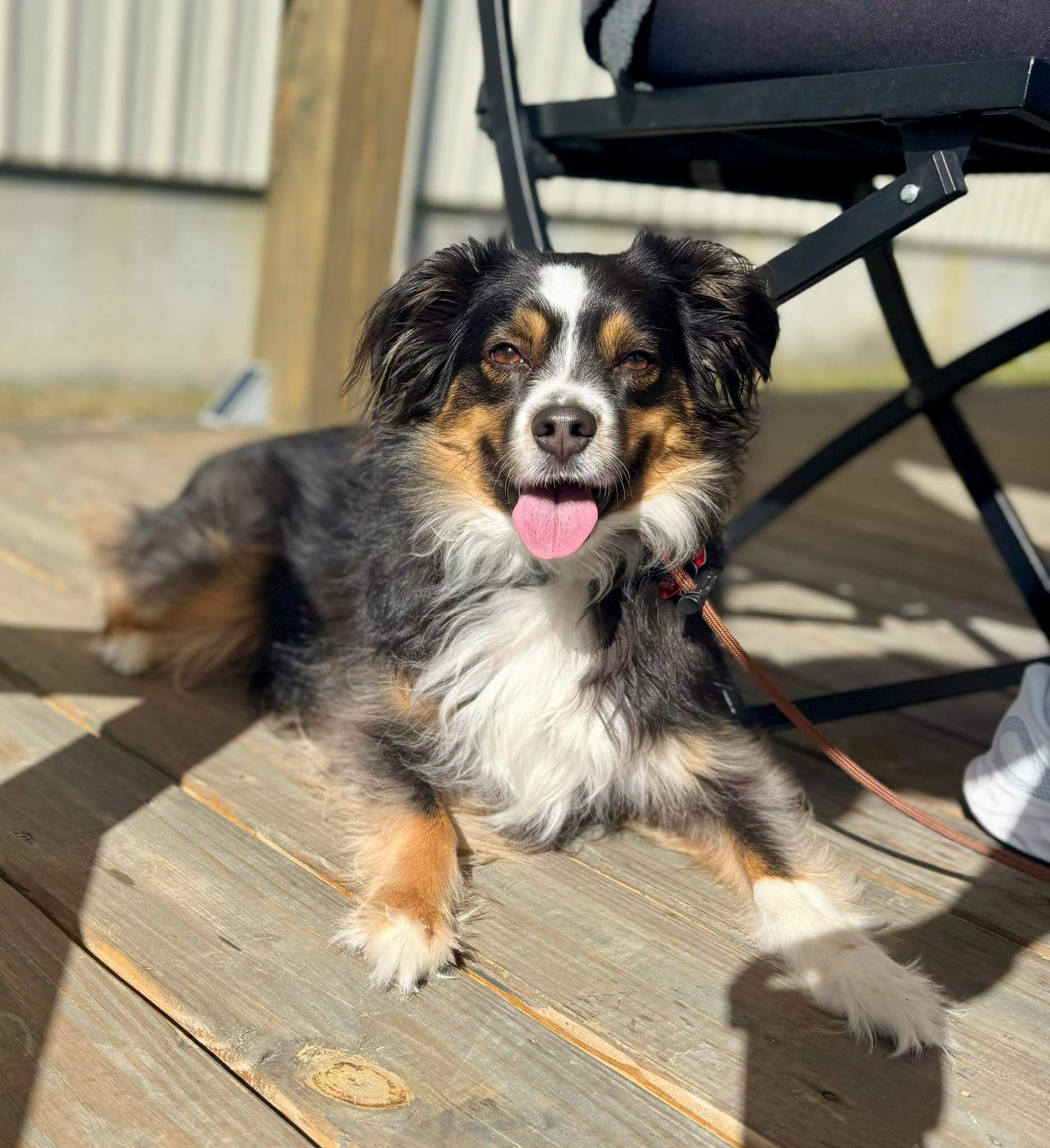
You stand up, and your dog stands up. You walk to the kitchen, and there they are. If your dog follows you everywhere, even to the bathroom, you are in good company.
Dogs may follow their owners because of attachment, curiosity, learned habits, or expectations about daily activities. In some cases, though, it helps to build more independence so your dog feels secure on their own.
Common Reasons a Dog Follows You Everywhere
There is rarely just one cause. Several things can happen at once.
- Bonding. Dogs are social animals, and many enjoy being close to their people.
- Curiosity. Your dog may want to see what you are doing and whether something fun is next.
- Habit. If following leads to attention, treats, or play, your dog may repeat it.
- Routine. Dogs learn patterns. They may follow you to the kitchen at mealtime or to the door before a walk.
- Breed and personality. Some dogs are more people-focused than others.
- Age or life stage. Puppies, newly adopted dogs, and seniors may stay closer for comfort.
This overview from the AKC explains more about why dogs shadow their owners.
When Following You Is Normal
A dog that follows you is not automatically a problem. It is often normal if your dog:
- Settles once you sit down
- Can relax in another room
- Stays calm when you leave the house
- Eats, plays, and rests comfortably without you nearby
- Shows interest in other things during the day
If your dog seems happy and flexible, there may be no need to change anything.
Signs of Overdependence or Anxiety
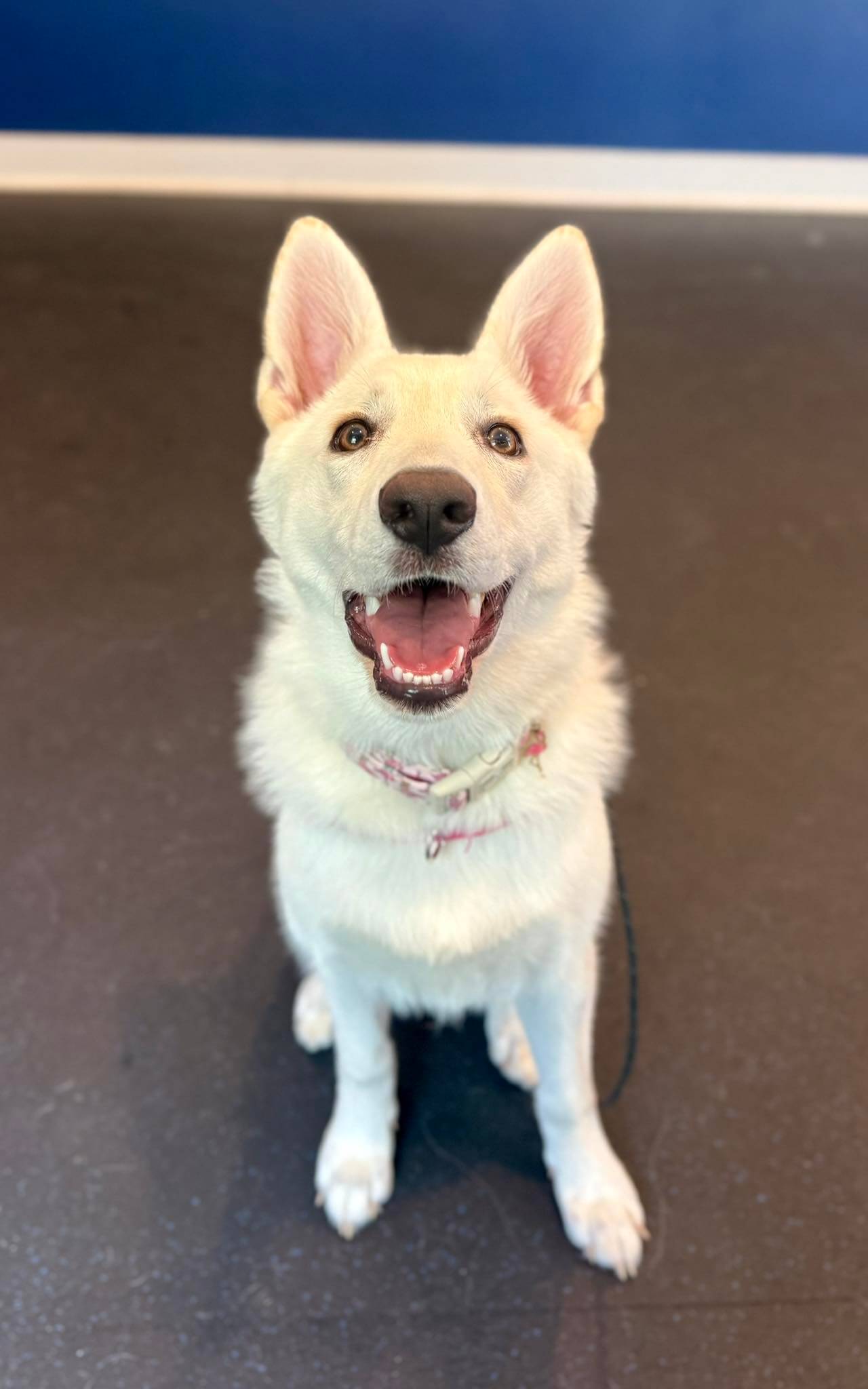
Sometimes following goes beyond closeness. Watch for signs that your dog struggles when apart from you:
- Whining, pacing, or panting when you move out of sight
- Barking or crying when you leave a room
- Difficulty relaxing unless you are close
- Refusing to eat or play alone
- Destructive chewing or scratching when you are gone
- Heavy drooling, trembling, or accidents when left alone
Clinginess and separation anxiety are not always the same thing. Following an owner does not automatically indicate separation anxiety. The more important concern is whether the dog shows distress when separated or left alone. This explainer on velcro dogs covers the difference in more detail.
Ways to Encourage Healthy Independence
Independence is not about pushing your dog away. It is about helping your dog feel comfortable on their own.
Teach a Settle or Place Cue
Practice guiding your dog to a designated bed or mat and rewarding calm behavior. Start with short sessions while you remain nearby. The “Place” command is also included in the Basic Obedience Training curriculum offered by Off Leash K9 Training 30A. Start with short sessions while you stay nearby.
Build Distance Slowly
Move a few steps away, then return and reward. Gradually add more distance and time. Keep each step easy so your dog can succeed.
Use Short, Easy Separations
If your dog stays calm when briefly separated, practice stepping behind a baby gate or out of sight for a few seconds. Return before your dog becomes distressed, and increase the duration gradually as your dog grows comfortable.
If your dog panics, barks continuously, scratches at doors, or shows other signs of significant distress, avoid repeatedly forcing separations. Consult your veterinarian or a qualified behavior professional for guidance.
Offer Independent Activities
Chews, puzzle feeders, and sniffing games can give your dog something to focus on besides you.
Meet Daily Needs
Exercise, mental work, and rest all matter. A dog with an outlet for energy is often easier to settle.
Reinforce Calm, Independent Behavior
Pay attention to moments when your dog relaxes on their own. A quiet word or small treat can reinforce that choice.
Common Mistakes to Avoid
- Making big departures or arrivals. Emotional goodbyes can add stress.
- Rewarding constant following. Frequent attention for shadowing can strengthen the habit.
- Pushing too fast. Long separations too soon can overwhelm your dog.
- Scolding. Anxious dogs need guidance, not punishment.
- Ignoring daily needs. Insufficient physical activity, enrichment, or rest may contribute to restlessness in some dogs.
- Skipping the vet when behavior changes suddenly. A new pattern is worth checking out.
When to Get Professional or Veterinary Help
Talk to your veterinarian if your dog suddenly starts following you more or seems uncomfortable, confused, or unwell. Pain, aging, or other health changes can affect behavior.
Consider a qualified trainer or behavior professional if:
- Your dog panics when you leave
- You see destructive behavior, house soiling, or constant vocalizing
- Practice at home is not helping
- Your dog cannot relax even when you are nearby
- You feel unsure how to build independence safely
Get Support for a Calmer, More Confident Dog
Following you around the house is not necessarily a problem. The goal is to help your dog feel comfortable and confident, whether you are nearby or spending time in another room.
For dog owners in Santa Rosa Beach and surrounding 30A communities, Off Leash K9 Training 30A offers obedience training programs that include foundational commands such as “Place,” “Sit,” and “Down.”
If your dog struggles with basic obedience or settling, contact our team to discuss available training options. If your dog experiences significant distress when left alone, consult your veterinarian about appropriate behavioral support.
FAQs
Is It Bad if My Dog Follows Me Everywhere?
Not usually. Following is often a sign of attachment and curiosity. It becomes a concern when your dog seems stressed or cannot relax without you.
Why Does My Dog Follow Me to the Bathroom?
Many dogs simply want to stay close or see what is happening. It may also be a habit. If your dog stays calm and relaxed, it is typically not a concern.
Can a Dog Be Clingy Without Having Separation Anxiety?
Yes. Many clingy dogs stay calm when left alone. Separation anxiety involves distress when apart, such as panic, destruction, or constant vocalizing.
When Should I Talk to a Vet or Trainer?
Reach out if the behavior is sudden, getting worse, or paired with signs of distress. Your vet can check for health concerns, and a trainer can help with confidence and independence. Early support can make a big difference.
