
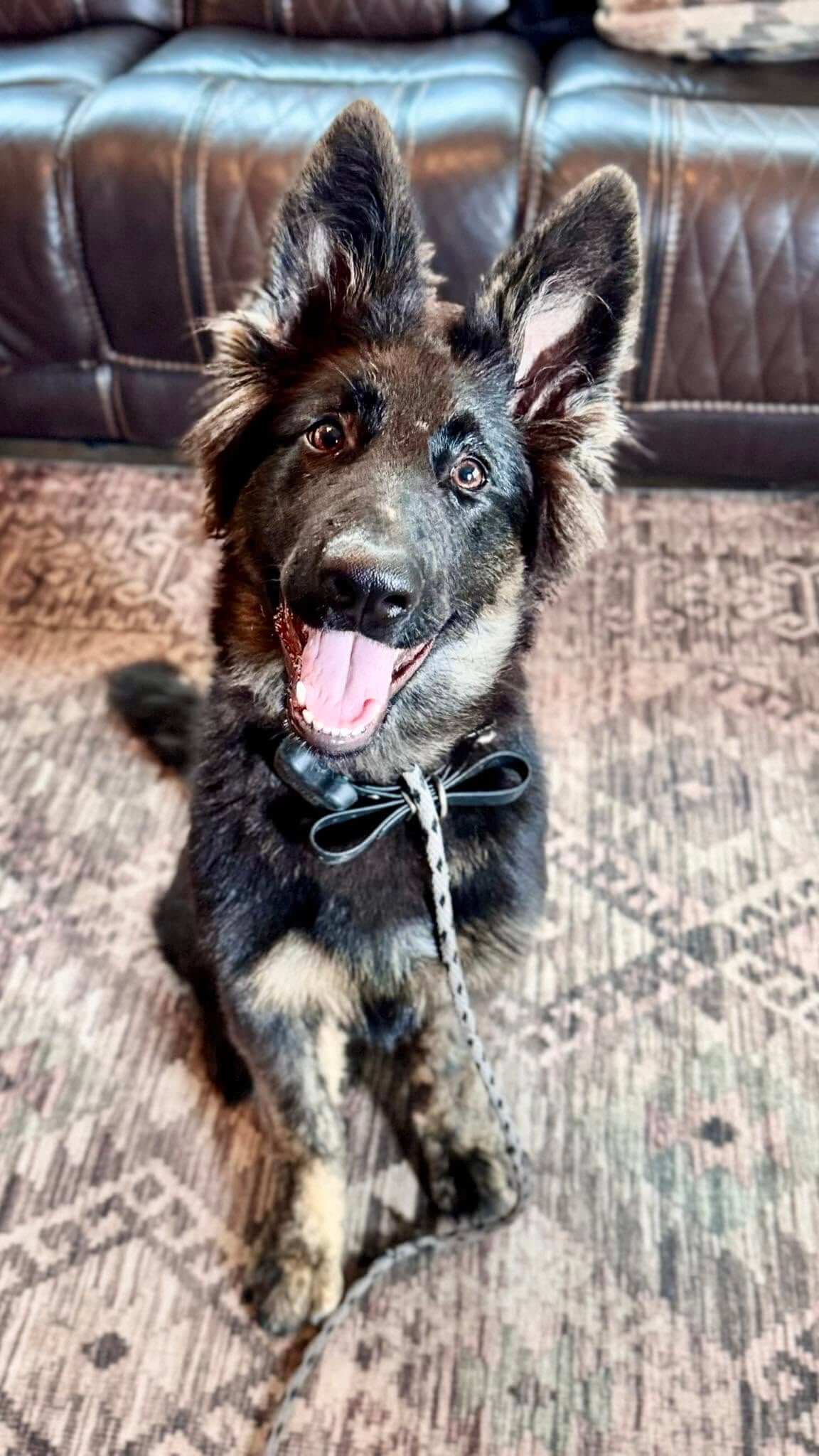
The door closes, the guests are gone, and the house is finally quiet. But your dog is still pacing, whining, or racing from room to room. If your dog won’t settle after visitors, you may feel like the evening is not over yet.
Some dogs remain excited or stressed after guests leave because visits can disrupt their routine and introduce unfamiliar activity.
Why Some Dogs Stay Wound Up After Guests Leave
Visitors bring new sounds, smells, movement, and attention. For many dogs, that is a lot to take in.
Here are a few reasons the excitement can linger:
- Built-up arousal. Your dog may have spent hours keyed up, and it can take time for the body and mind to settle.
- Stress. Some dogs feel unsure around guests, even friendly ones.
- Routine changes. Skipped naps, delayed meals, or a shorter walk can add to the restlessness.
- Missing the fun. A dog who loved the attention may be looking for more.
- Personality and age. Puppies and high-energy dogs often need more help calming down.
Excitement is not always a sign of a “bad” dog. It is often a sign your dog needs more support.
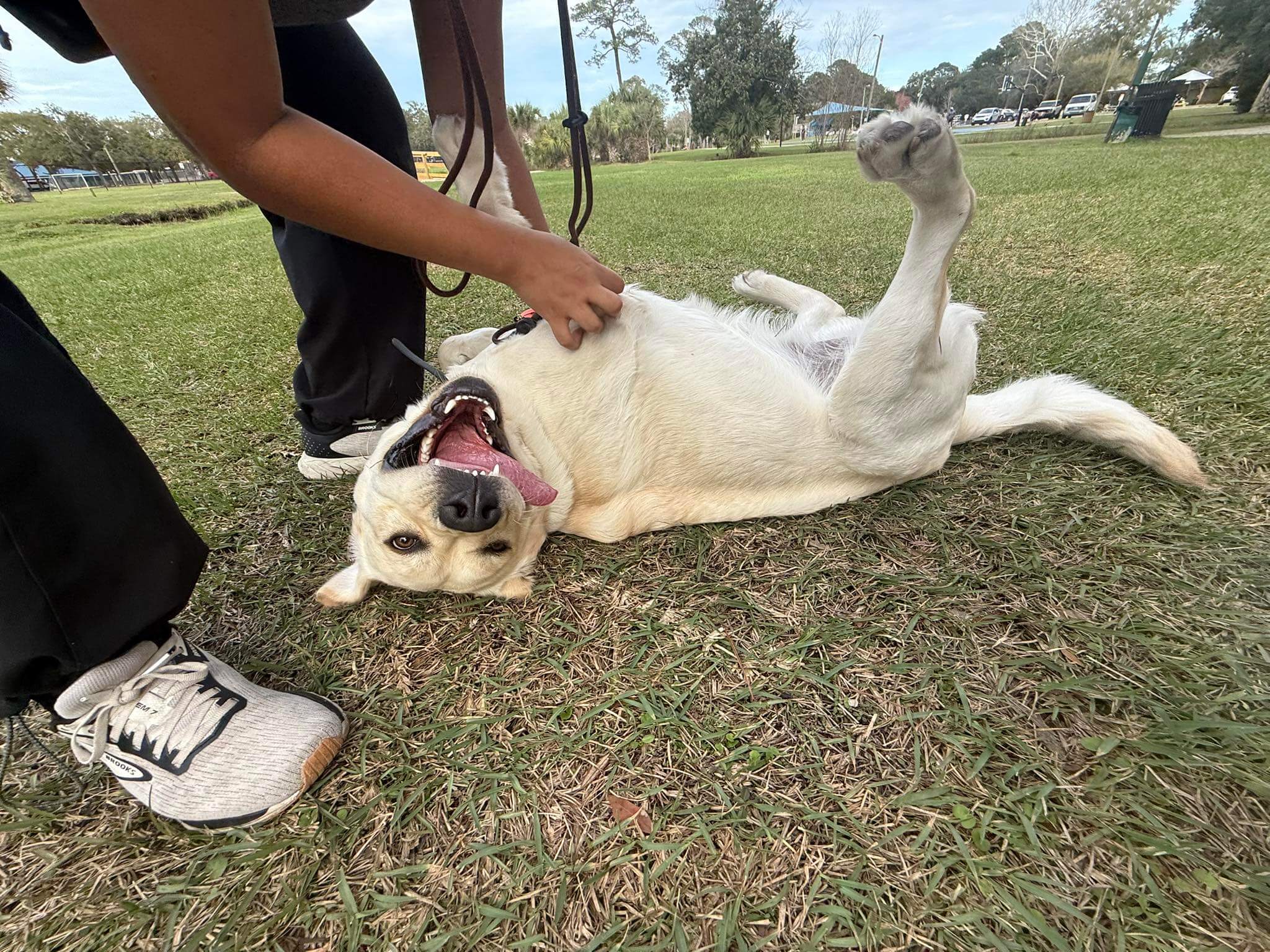
Signs Your Dog Is Still Overstimulated
Lingering excitement can look different from dog to dog. Common signs include:
- Pacing or circling
- Panting when it is not hot
- Whining or repeated barking
- Staring at the door
- Zoomies or jumping
- Trouble sitting, lying down, or responding to cues
- Mouthing, nipping, or grabbing toys
- Sniffing or searching the house
Watch your dog’s body too. A stiff posture, wide eyes, or a tense face can point to stress, not just fun.
How to Help a Dog Decompress
Think of this as helping your dog come down gently. Aim for calm, quiet, and predictable.
Give Your Dog a Quiet Space
Guide your dog to a comfortable spot, like a crate, bed, or a calm room. Keep the lights low and the area quiet.
Offer a Calming Activity
Some dogs relax with a chew, a lick mat, or a stuffed toy. Pick something your dog already enjoys. Sniffing and slow chewing can help many dogs unwind.
Keep Your Own Energy Low
Speak softly and move slowly. An excited tone of voice may make it harder for your dog to relax.
Use Settle Cues
If your dog already understands commands such as “Place” or “Down,” use them to encourage calm behavior and reward your dog for relaxing. These foundational skills are also relevant to the obedience training programs offered by Off Leash K9 Training 30A.
Try a Short, Easy Walk
A slow sniff walk may help some dogs. Avoid intense play or running, which can add to the excitement.
Make Time for Rest
Dogs often need a lot of downtime after a busy day. Provide a quiet, comfortable area where your dog can rest without interruptions.
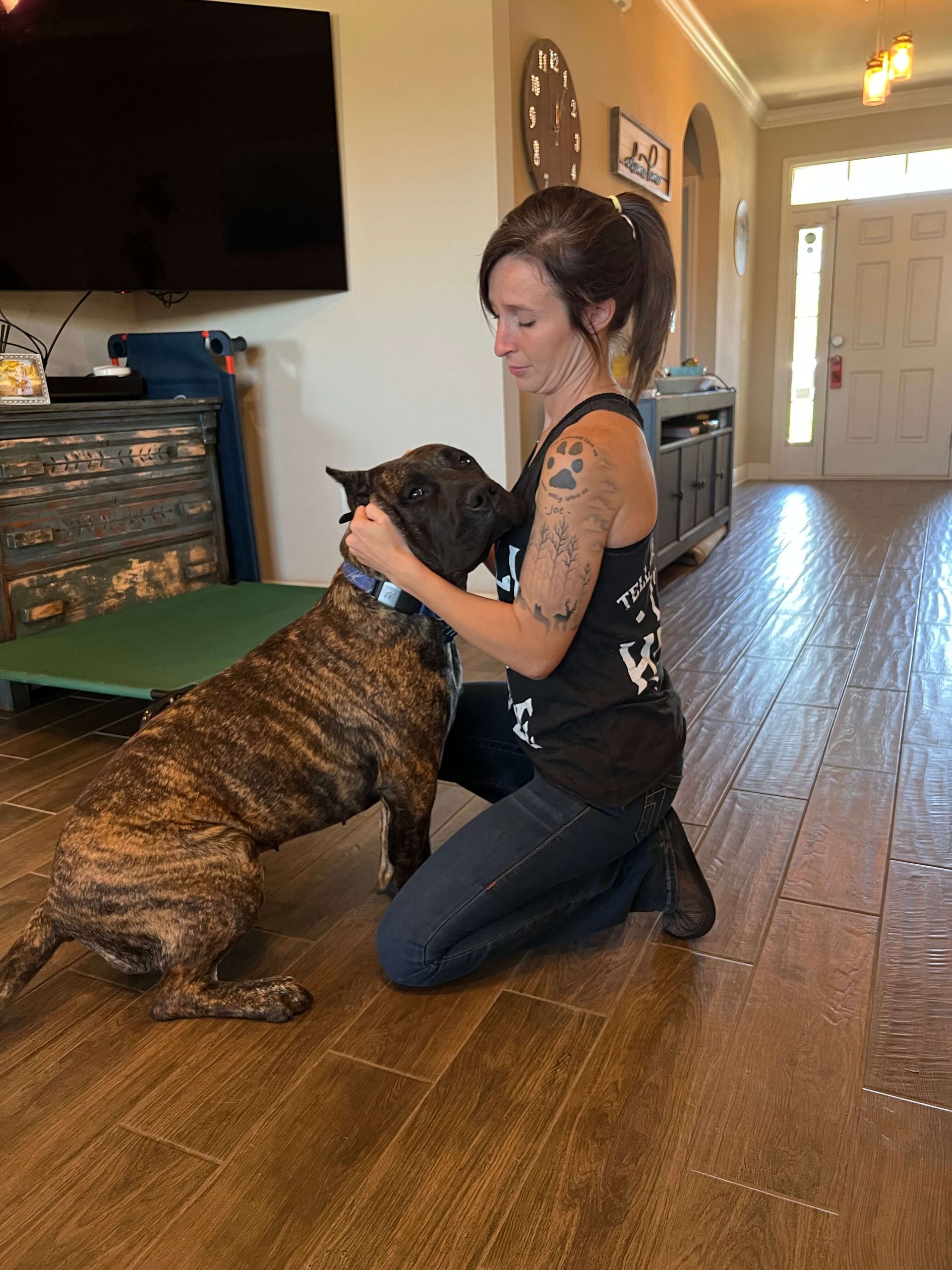
Mistakes That Can Keep Excitement Going
A few well-meaning habits can make it harder for your dog to settle:
- Starting a big play session. This can rev your dog up again.
- Yelling or scolding. Raised voices add noise and stress.
- Giving lots of attention to wild behavior. Your dog may learn that frantic behavior gets a response.
- Letting guests build excitement. Rowdy goodbyes can add to the energy.
- Skipping rest. Fatigue and overstimulation can make it harder for some dogs to settle.
- Expecting calm right away. Some dogs need more time.
Plan for Easier Visits
Preparation can make the after-visit period smoother.
- Practice calm greetings and settling on a mat before guests arrive.
- Give your dog a break area away from the action.
- Ask guests to stay calm and avoid hyping up your dog.
- Use a barrier or leash if your dog struggles with greetings. This guide to using a barrier explains how to manage introductions safely.
- Reward calm behavior during the visit, not only after.
Pat Miller’s advice on helping dogs handle guests offers more ideas for keeping visits manageable.
When to Get Professional Help
Consider reaching out to a qualified trainer or your veterinarian if:
- Your dog is still wound up long after the visit ends
- Your dog seems fearful, tense, or unable to relax
- Nipping, lunging, or other behavior worries you
- The pattern happens often or seems to be getting worse
- You have tried basic steps and still feel stuck
If you suspect pain, illness, or a sudden behavior change, check in with your vet first.
Get Support for a Calmer Home
Helping your dog settle after visitors leave takes patience, consistency, and practice. If your dog struggles with excitement, household manners, or basic obedience, Off Leash K9 Training 30A offers training options for dog owners in Santa Rosa Beach and surrounding communities.
Explore our dog obedience training options or contact our team to discuss your dog’s behavior and training goals.
FAQs
Is It Normal for My Dog to Stay Excited After Guests Leave?
Yes, many dogs need time to wind down after a busy visit. Some settle quickly, while others stay keyed up for a while. If the behavior is intense or lasts a long time, extra support may help.
Should I Give My Dog Attention After Guests Leave?
Calm, quiet attention can be fine, but avoid hyping your dog up. Reward relaxed behavior, like lying down or settling on a bed. Wild play can keep the excitement going.
Can Exercise Help My Dog Settle After Company?
A short, easy walk can help some dogs, especially if it includes sniffing. Intense exercise may add to the excitement for others. Watch how your dog responds and adjust.
When Should I Talk to a Trainer or Vet?
Reach out if your dog seems stressed, cannot relax, or the behavior keeps happening. Your vet can check for health concerns, and a trainer can help with settling and manners. Getting help early can make visits easier for everyone.
