
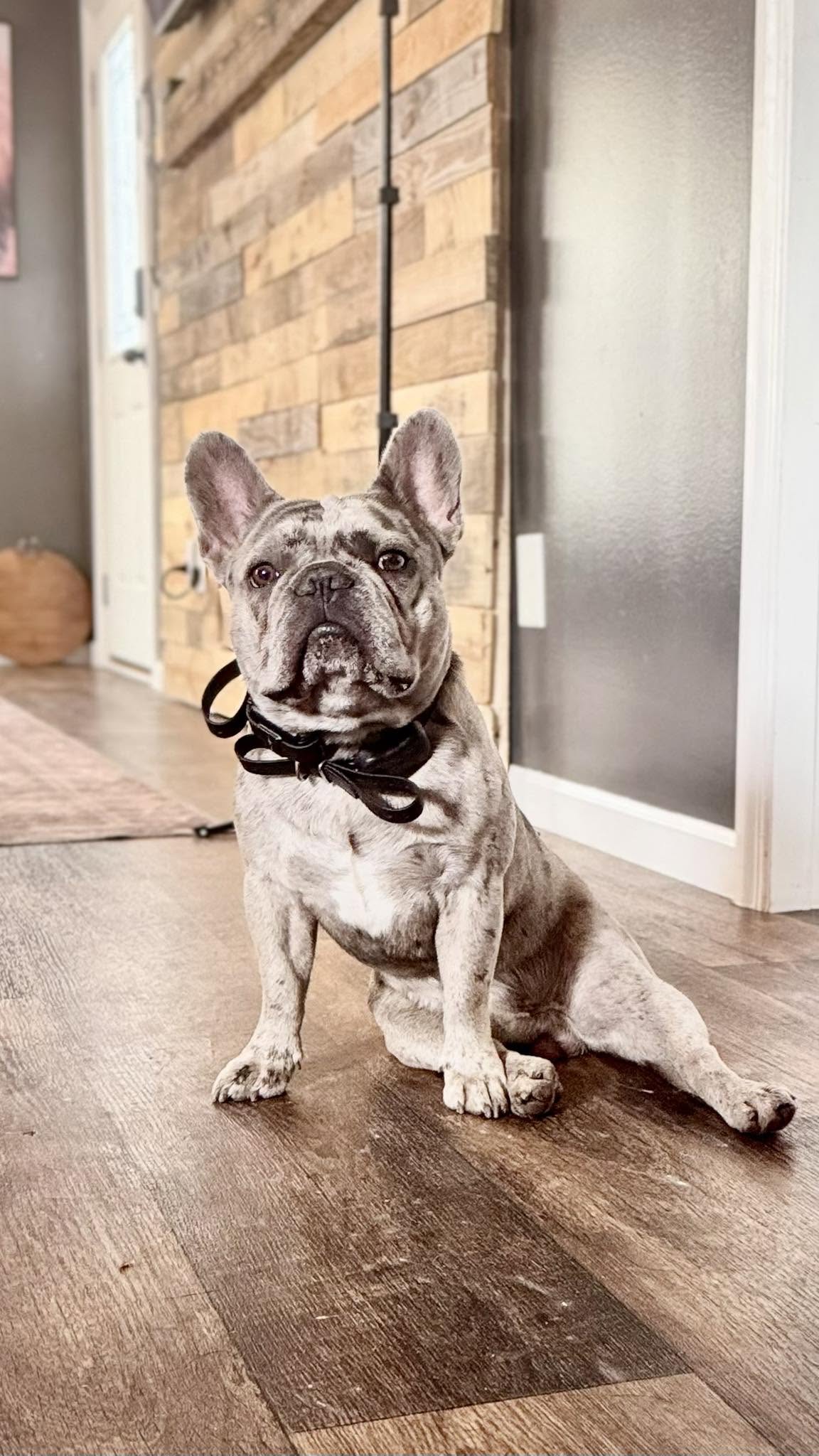
A puppy crying in the crate is common, especially during the first nights in a new home. Crying may be related to separation from littermates or people, unfamiliar surroundings, a bathroom need, discomfort, or simply learning a new routine. It often improves as the puppy becomes more comfortable with the crate. Meet genuine needs, keep nighttime interactions calm, and build crate comfort gradually rather than leaving a distressed puppy to cry for long periods.
This guide explains why puppies cry in the crate, how to tell brief fussing from real distress, and how to handle nights, naps, and new routines. If you are raising a puppy in Santa Rosa Beach, you will also find tips for Gulf Coast heat and the changes that come with coastal life.
Key Takeaways
- Crate crying is usually communication about loneliness, a new place, a bathroom need, or discomfort.
- Brief fussing may ease within a few minutes as a puppy settles. Escalating crying, heavy panting, drooling, trembling, or repeated escape attempts may indicate significant distress and should not simply be ignored.
- Keep the crate close to you at first and in a cool, quiet spot.
- Expect nighttime potty breaks with young puppies, and keep them quiet and boring.
- Build crate comfort during the day with short, positive sessions instead of long cry-it-out stretches.
Why Is My Puppy Crying in the Crate?
Most puppies cry in the crate because they miss their littermates or people, feel unsure in a new place, need to go to the bathroom, feel uncomfortable, or are still learning a new routine. Crying is communication. Figuring out which need is behind it tells you how to respond.
Separation From Littermates and People
Until recently, your puppy slept in a warm pile with their mother and littermates. Being alone in a crate is a big change. PetMD’s guide to a puppy’s first night notes that crying during the first nights, or even weeks, at home is very common.
Unfamiliar Surroundings
New smells, sounds, and shadows can unsettle a young puppy. A crate they have never explored can feel like a trap rather than a den, especially if the door closes on their very first visit.
Bathroom Needs
Young puppies cannot hold their bladder for long. Crying that starts after your puppy has been asleep for a while, or that comes with circling and sniffing, often means it is time for a potty trip. PetMD also points out that a puppy who wakes and cries in the middle of the night may need to go out.
Discomfort
A crate that is too small, too warm, too bright, or too cold can keep a puppy from settling. Hunger, thirst or feeling unwell can also cause crying. If your puppy cries and also seems sick, call your veterinarian.
Adjusting to a New Routine
Puppies do best with predictability. Until meals, naps, play, and potty breaks follow a pattern, your puppy may protest each time the crate door closes. Crying often eases once the daily rhythm becomes familiar.

Brief Fussing vs. Sustained Distress: How to Tell the Difference
Brief fussing may include a few whines or barks while your puppy tries to settle. More concerning distress tends to escalate or continue and may include frantic vocalizing, heavy panting, drooling, trembling, repeated scratching or biting at the crate, or attempts to escape. The pattern and your puppy’s overall behavior matter more than a specific number of minutes.
| Brief fussing | Sustained distress |
| A few whines or barks, then quiet | Crying that grows louder or does not ease |
| Settles within a few minutes | Restarts every time you step away |
| Relaxed body, lies down, may chew a toy | Heavy panting, drooling, trembling or pacing |
| Takes a treat or chew in the crate | Ignores food completely |
| Wakes, cries briefly, goes back to sleep | Scratches, bites the bars or tries to break out |
When you see signs of distress, respond. Take your puppy out calmly, check for a bathroom need, and make the next crate session shorter and easier. A puppy who becomes panicked, repeatedly tries to escape, or cannot settle may be experiencing significant confinement or separation-related distress. AKC guidance recommends stopping the crate-training session and seeking professional help when a dog appears panicked rather than continuing to wait out the crying.
Leaving a frightened puppy to cry for long stretches does not teach them the crate is safe. It can teach them the crate is where scary things happen. The AKC advises moving at your dog’s pace and never leaving them to cry it out. Waiting out a short protest is very different from ignoring a puppy who is panicking.
Where to Put the Crate and How to Set It Up
Crate placement and setup can solve a surprising amount of crying before any training begins.
Start Close to You
For the first weeks, many owners keep the crate in the bedroom, right next to the bed. Your puppy can hear and smell you, and you can hear when they need to go out. The AKC’s puppy sleep guide also suggests bringing home a soft toy or blanket that smells like the puppy’s mother. Once nights are calm, move the crate a little at a time toward its permanent spot.
Size, Bedding and Temperature
Choose a crate big enough for your puppy to stand, turn around, and lie down comfortably, but not so big that one end becomes a bathroom. A divider lets the space grow with your puppy. Add bedding only if your puppy does not chew it, and take the collar off before crating, as the AKC recommends for safety.
Temperature matters along the Gulf Coast. Keep the crate out of direct sunlight and avoid areas that become excessively warm. Make sure your puppy has an appropriate, comfortable sleeping environment. If your puppy shows concerning signs such as unusual weakness, heavy panting that does not settle, or other signs of illness, move them to a cooler area and contact your veterinarian.
Crate Training a Puppy at Night
Crate training a puppy at night works best with a predictable bedtime routine, a final potty break right before lights out, and quiet, boring trips outside when your puppy wakes and cries. Young puppies often need at least one nighttime break, and the number of trips usually shrinks as they grow.
A Calm Bedtime Routine
Plan play and a short walk in the early evening, then wind down during the last hour before bed. Take your puppy out to potty just before bedtime, keep the environment calm, and dim the lights. If you use crate enrichment, choose something appropriate for your puppy and safe for the way it will be used. Doing the same steps in the same order each night tells your puppy that sleep comes next.
Nighttime Potty Breaks by Age
There is no single schedule that fits every puppy. Bladder control depends on age, size, breed, and the individual puppy, so expect needs to change week by week. The AKC’s potty training tips note that very young puppies and toy breeds often need more frequent breaks, and that overnight trips are normal until a puppy can sleep through the night.
When your puppy wakes and cries at night, assume it may be a bathroom need. The AKC recommends letting a crated puppy out when they whine or fuss overnight, since they most likely need to go. Your veterinarian can help you judge what is realistic for your puppy’s age and size.
Responding Without Creating a Habit
Keep nighttime trips quiet and businesslike. Carry or leash your puppy to the potty spot, praise calmly when they go, and head straight back to the crate. The AKC suggests a small food reward or calm praise for overnight potty breaks and skipping energetic play, which can leave your puppy wide awake. If your puppy has just gone and still fusses, sit near the crate or speak softly for a minute so they know you are close.
Building Crate Comfort During the Day
Nights get easier when the crate already feels familiar during the day. Short, positive daytime sessions do most of the work. For a full step-by-step plan, see this guide to crate training your dog without stress. Here are the basics:
- Leave the door open and toss treats inside so your puppy can explore at their own pace.
- Feed meals in the crate, starting near the door and moving the bowl farther back.
- Close the door for a few seconds, reward calm behavior, and open it before your puppy fusses.
- Build time slowly, and practice stepping away and coming back.
- Offer a safe chew or food puzzle during longer sessions.
If your puppy repeatedly becomes unsettled during practice, you may have increased the duration or difficulty too quickly. Return to a shorter, easier step where your puppy was comfortable and build gradually from there.
Common Mistakes That Make Crate Crying Worse
A few common habits can turn ordinary fussing into a lasting struggle.
- Long cry-it-out stretches. Leaving a distressed puppy to continue panicking can create negative associations with the crate rather than helping the puppy become comfortable with it.
- Using the crate as punishment. The crate should never be a timeout spot after your puppy does something wrong.
- Crating for too long during the day. Long stretches without a break lead to accidents, frustration, and more crying.
- Turning potty trips into playtime. Excitement at 2 a.m. teaches your puppy that waking up is fun.
- Rushing the process. Jumping from a few minutes to several hours sets your puppy up to fail.
New Places and Big Changes
Crying often returns after a change. A move, houseguests, a weekend at a vacation rental along 30A or a stormy night during hurricane season can all unsettle a puppy who was sleeping well. Bring the same crate, bedding, and routine with you, and expect a few unsettled nights while your puppy adjusts.
When to Ask a Trainer or Veterinarian for Help
Ask for help if your puppy panics in the crate, hurts themselves or repeatedly attempts to escape, or continues struggling despite consistent, gradual crate training. If a puppy who used to settle suddenly starts crying, see your veterinarian first to rule out pain, illness, or a bathroom-related problem.
A trainer can look at your puppy’s routine, crate setup, and daily schedule and help you build a plan that fits your household. For young puppies, early guidance on crate training, socialization and home manners can keep small struggles from turning into long-term habits. Learn more about puppy training in Santa Rosa Beach.
Final Thoughts
A puppy crying in the crate may be communicating a need for a potty break, comfort, more gradual crate training, or time to adjust to a new routine. Meet real needs quickly, keep nights calm and boring, and build crate time gradually during the day. With patience and consistent practice, many puppies come to see their crate as a safe place to rest.
Contact Us
If crate crying is keeping your household up at night, help is available for Santa Rosa Beach puppy owners. The Puppy Training Consultation is designed for puppies under 5 months and covers crate training, socialization, and home manners. Call (850) 616-2800 or schedule a free phone consultation to talk through your puppy’s needs, and see current programs and pricing when you are ready.
Frequently Asked Questions
Should I let my puppy cry in the crate?
Some puppies briefly whine or fuss while learning to settle, but prolonged or escalating distress should not simply be ignored. If your puppy cries overnight, consider whether they need a bathroom break. If your puppy appears panicked, repeatedly attempts to escape, or cannot settle, stop the session and make future crate practice easier and more gradual.
How long will a puppy cry in a crate?
It varies from puppy to puppy. Many puppies cry most during the first nights in a new home and settle more quickly as the crate and routine become familiar. Crying that does not ease with gradual practice is a sign to adjust your plan or ask a trainer for help.
Why is my puppy suddenly crying in the crate?
Sudden crying in a puppy who used to settle may point to a bathroom need, discomfort, illness, or a recent change such as a move or new schedule. Check the basics first, including potty timing, temperature and crate setup. If the crying continues or your puppy seems unwell, contact your veterinarian.
Should my puppy’s crate be in my bedroom?
Keeping the crate in or near your bedroom at first can help a lot. Your puppy feels less alone, and you can hear when they need a potty break. The AKC notes that many owners keep the crate in the bedroom so the puppy feels close to family, and you can move it gradually once nights are calm.
How often should I take my puppy out at night?
There is no fixed schedule, because it depends on your puppy’s age, size, and individual bladder control. The AKC notes that very young puppies and toy breeds usually need more frequent breaks, and nighttime trips tend to drop as puppies grow. Take your puppy out when they wake and cry, keep the trip quiet and ask your veterinarian what is realistic for your puppy.
