
If you have been searching for a professional dog trainer in Santa Rosa Beach, FL, you have probably noticed that prices are not the same across the board. That is because the cost of dog training is not a single flat number. It depends on a combination of factors that are unique to each dog, each owner, and each training situation. Understanding what drives those costs can help you make a more informed decision and find the right program for your dog’s needs.
Key Takeaways
- Dog training costs vary based on program type, training goals, trainer experience, and your dog’s behavior history.
- Private lessons and board and train programs each have different structures and price ranges.
- Puppy training, obedience training, leash manners, and behavior modification each require different levels of time and expertise.
- A dog’s age, temperament, and current behavior can affect how much training is needed and at what level.
- Value, structure, and long-term results matter more than the lowest price alone.
Why the Cost of Dog Training Can Vary
The cost of dog training is not one-size-fits-all, and that is by design. Every dog has a different starting point. Some dogs come in knowing nothing but are eager to learn. Others have developed habits over the years that take more time to address. A trainer needs to assess where a dog is before recommending a program, and that assessment shapes what the right investment looks like.
Other factors that cause prices to vary include the type of training format, the number of sessions required, the trainer’s background and credentials, travel involved, and whether follow-up support is included. All of these things add up differently depending on what your dog actually needs.
Location also plays a role. Training services in coastal communities like Santa Rosa Beach reflect the local cost of doing business, including the demand for qualified professionals in the area.
Training Goals That May Affect Price
One of the biggest factors in determining what you will spend is what you are trying to accomplish. A dog owner who simply wants their puppy to learn basic commands is working toward a different goal than an owner dealing with reactivity toward other dogs or anxiety in public spaces.
Common training goals and how they may affect investment include:
Basic obedience training covers foundational commands such as sit, stay, come, and down. This is often the starting point for puppies or dogs who have not had any prior structure. Programs at this level tend to be shorter in duration.
Leash manners and loose-leash walking are skills many dog owners seek out on their own. Pulling on a leash is one of the most common issues reported by owners and can be addressed in focused private sessions or as part of a broader obedience program.
Dog behavior training for issues like barking, jumping, or resource guarding usually requires more targeted work and may involve more sessions or a longer program. These cases benefit from a trainer who can read the dog and adjust methods in real time.
Advanced obedience and distraction proofing involve getting a dog to respond reliably in high-distraction environments like beaches, parks, or busy areas. This level of training typically requires more repetition and time.
When your goals are more specific or complex, the investment tends to be higher because more expertise and time are required to reach those goals.
Program Type and Training Format
The format you choose has a significant impact on what you will pay. There are a few main options that trainers in the Santa Rosa Beach area typically offer.
Board and train programs involve the dog staying with a professional trainer for a set period of time, with 2-week and 3-week options commonly listed for this location. During that time, the trainer works with the dog daily in a structured setting. These programs are often used for dogs that need more intensive work or for owners who have limited time to dedicate to regular training sessions. Board and train programs tend to carry a higher upfront cost because they include daily handling, structured repetition, housing, care, and owner guidance throughout the process.
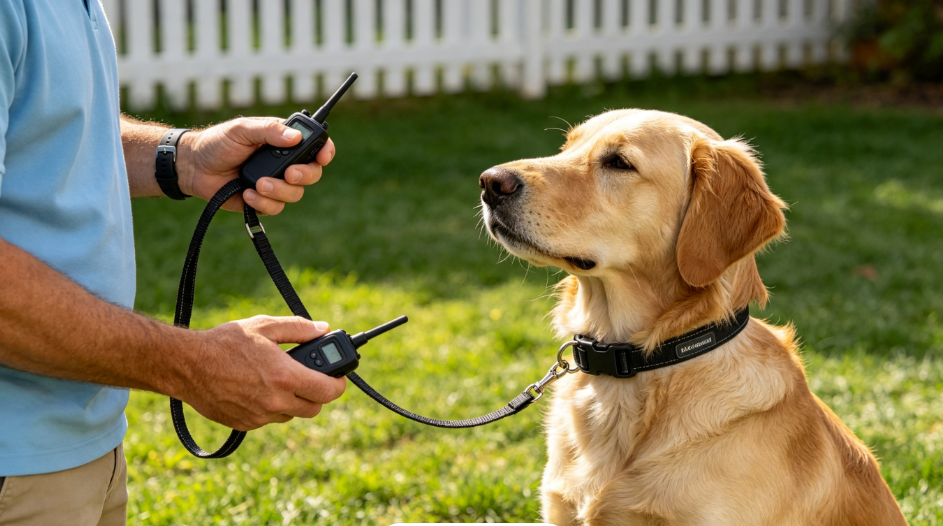
Private dog training lessons put one trainer, one owner, and one dog in a session focused entirely on your specific goals. This format offers flexibility and personalization, and it allows the trainer to observe how the dog behaves in their real environment. Private lessons are well-suited for dogs with specific behavior concerns, owners who want to be actively involved in the training process, and situations where group settings would not be appropriate.
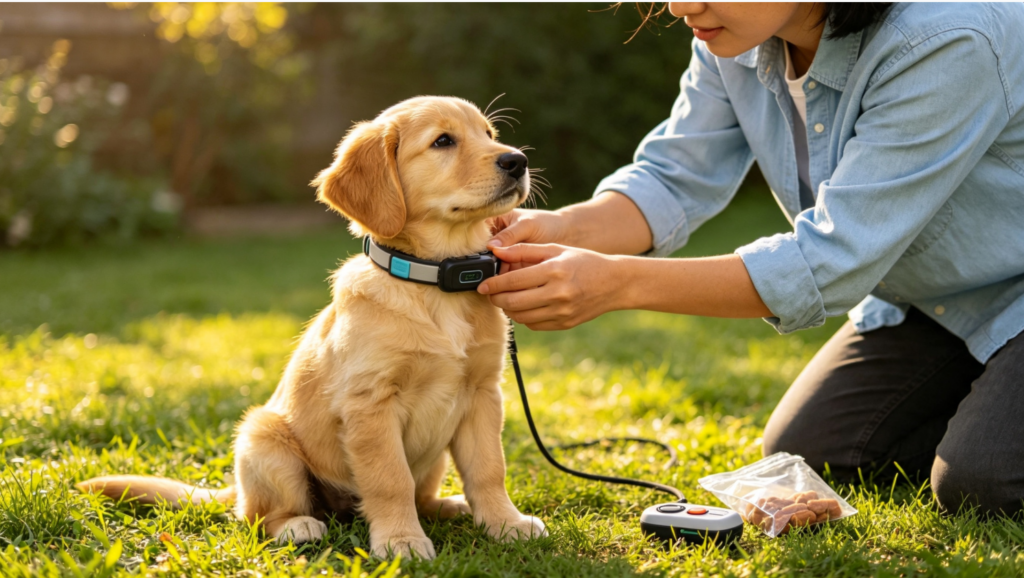
Puppy training options are designed for young dogs, and early training can begin as early as eight weeks old. This stage often focuses on foundational skills, socialization, crate habits, housebreaking, home manners, and preventing problem behaviors before they become harder to change. Starting early can help owners build a better structure from the beginning and may reduce the need for more intensive behavior work later.
Each format has a place depending on what you are trying to accomplish. Asking a trainer to help you understand which program fits your situation is a reasonable first step before committing to any one path.
Dog Behavior, Age, and Training Needs
Two dogs can walk into a training program with the same goal and still require very different levels of support. That difference often comes down to age, temperament, and behavioral history.
Younger dogs and puppies typically have fewer ingrained habits, which can make certain foundational skills easier to establish. That said, puppies also require patient, consistent handling and a trainer who understands developmental stages.
Adult dogs can absolutely learn new behaviors, but reshaping habits that have been reinforced over months or years may take more time. An adult dog that has been pulling on leash for three years requires a different approach than a six-month-old puppy who is just learning what the leash means.
Temperament plays a significant role as well. A confident, curious dog may progress through training quickly. A dog that is anxious, reactive, or easily overwhelmed may need a slower pace, more structured exposure, and a trainer with specific experience in working with fear or stress-related behaviors.
Behavioral concerns such as aggression, reactivity, fear, anxiety, or stress-related behavior require more specialized handling than basic obedience. These situations often call for a trainer with experience in behavior modification, realistic owner guidance, and a plan that matches the dog’s needs. Because more complex behavior issues may require added time, structure, and follow-up, they can affect the overall program cost.
Understanding your dog’s individual profile before starting a training program helps you and the trainer set realistic expectations from the beginning.
What Santa Rosa Beach Dog Owners Should Consider
Dog owners in Santa Rosa Beach face some unique environmental factors that are worth thinking about when choosing a training program. The 30A corridor brings heavy seasonal traffic, busy public spaces, outdoor dining areas, and a constant flow of visitors and unfamiliar dogs. A well-trained dog needs to be able to handle those distractions calmly and reliably.
When evaluating training programs and the investment they require, consider the following.
Trainer experience and program fit matter. A trainer who has worked with a wide range of breeds, temperaments, and behavior issues can better understand what a dog needs and how to guide the owner through the process. Instead of looking at price alone, ask how the trainer evaluates the dog, what the program includes, and what kind of owner education or follow-up support is provided.
Program length and structure matter. A program that includes multiple sessions, built-in progression, and clear expectations is more likely to produce lasting results than a single consultation. Ask what is included before you compare prices.
Follow-up support matters. Training does not end when the last session is over. Dogs benefit from continued reinforcement at home, and owners benefit from having access to a trainer when questions come up. Programs that include follow-up support add real value beyond the training itself.
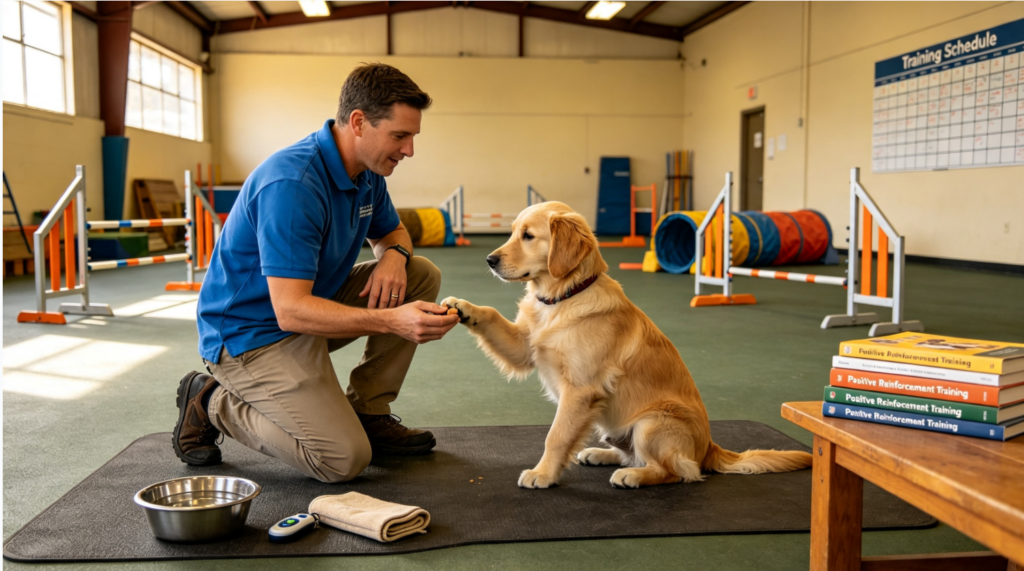
Safety and methodology matter. Not all training methods produce the same results, and not all results last. Looking into how a trainer approaches behavior, what tools they use, and how they handle difficult situations gives you important information before you make a decision.
When thinking about the dog training investment you are making, the goal is not to find the cheapest option. The goal is to find the right fit for your dog, your goals, and your household.
Final Thoughts
The cost of dog training in Santa Rosa Beach, FL, reflects a combination of real factors: what your dog needs, what program format fits your life, how experienced your trainer is, and how much support is included along the way. There is no single price that applies to every situation, and comparing programs based on price alone can lead you away from options that would actually serve your dog better.
Focus on what your dog is dealing with today, what you want life with your dog to look like, and what kind of ongoing support would help you get there. A well-trained dog is not just a more pleasant companion. It is a safer, more confident animal that can participate more fully in your daily life here on the Gulf Coast.
If you are ready to take the next step, reaching out to a professional dog trainer for a consultation is the best way to understand what your dog actually needs and what a realistic training plan would look like for your situation.
FAQ
How much does dog training cost in Santa Rosa Beach FL?
The cost of dog training varies depending on the type of program, the trainer’s experience, and your dog’s individual needs. Private lessons, board and train programs, and puppy training all carry different price ranges. Speaking with a local trainer directly is the best way to get an accurate estimate based on your dog’s specific situation.
What is the difference between private lessons and a board and train program?
Private lessons involve you and your dog working directly with a trainer in regular sessions, which keeps you actively involved in the training process. Board and train programs have the dog stay with the trainer for an extended period, with 2-week and 3-week options commonly listed for this location, for daily immersive training. The right choice depends on your goals, schedule, and your dog’s needs.
Does my dog’s age affect the cost of training?
Age can influence the length and structure of a training program, which in turn affects the overall investment. Puppies starting early may require shorter foundational programs, while adult dogs with established behavioral habits may need more time to work through certain behaviors. A trainer can assess your dog and give you a clearer picture of what to expect.
Is puppy training worth the cost?
Starting training early during a dog’s developmental stage helps establish good habits and prevents problem behaviors from taking hold. Many dog owners find that early investment in puppy training reduces the need for more intensive behavior work later, making it a practical long-term decision.
What should I look for in a dog trainer before committing to a program?
Look for a trainer with demonstrated experience, clear communication about their methods, and a program structure that includes follow-up support. Ask about their background, how they handle different types of behaviors, and what success looks like for a dog in their program. A brief consultation before committing is a reasonable thing to request.
