
Building your dog’s confidence does not require pressure, force, or flooding them with scary experiences. In fact, the opposite approach works far better. Patient, structured training that respects your dog’s pace creates lasting emotional resilience and trust between you and your pet.
Whether your pup freezes on walks, hides from visitors, or reacts to other dogs with barking and lunging, there is a path forward. This guide will help you understand what confidence looks like, recognize when your dog feels overwhelmed, and use practical training strategies that actually work.
Key Takeaways
- Confidence is built through small, achievable wins, not pressure or force
- Confident dogs move freely, explore calmly, and recover quickly from mild surprises, while overwhelmed dogs freeze, shut down, or overreact
- Structure, predictable routines, and clear communication help most dogs feel safer in daily life
- Skills like leash work, place command, recall, and impulse control grow confidence when introduced at the dog’s pace
- If your dog struggles with fear, anxiety, or reactivity, working with a professional trainer such as Off Leash K9 Training 30A can provide a calmer, structured path forward
What Does a Confident Dog Look Like?
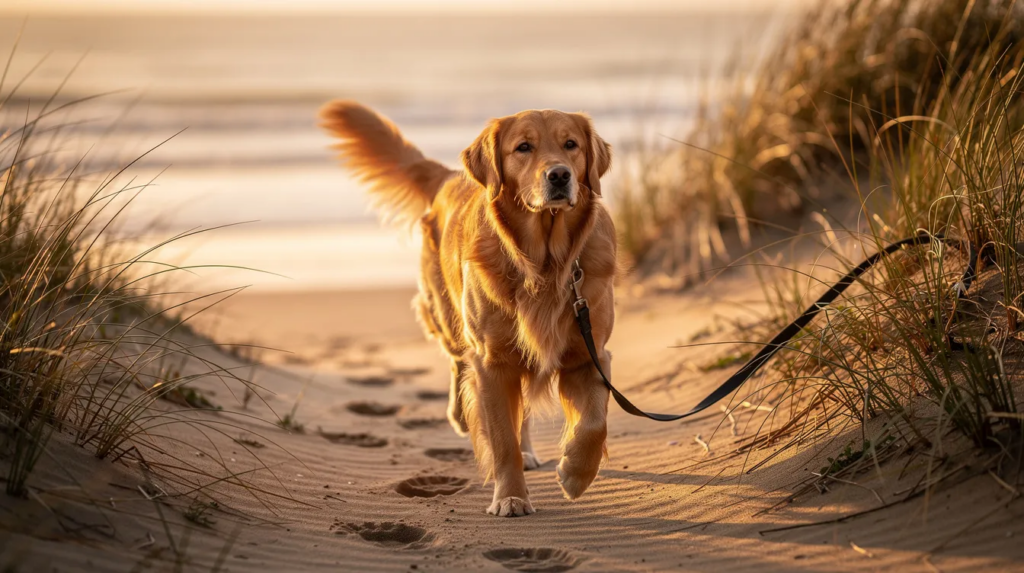
Picture a dog strolling along Scenic Highway 30A, passing bicycles and joggers without pulling or freezing. They notice the activity, maybe glance at a passing skateboard, but their body stays loose and relaxed. That is confidence in action.
Confident dog body language includes:
- Relaxed muscles throughout the body
- Tail wagging at mid-height, not rigid high or tucked low
- Soft, blinking eyes rather than hard stares
- Open mouth with relaxed jaw
- Fluid, exploratory movement
Emotionally, confident dogs show curiosity about new things and are able to recover from mild startles without staying stuck in fear. If a pan drops in the kitchen, they might flinch, pause, and then return to normal once they realize they are safe. They approach novel objects at their own pace rather than cowering, avoiding, or shutting down completely.
A typical confident outing might look like a dog lying settled under a patio table at a Santa Rosa Beach restaurant while the family eats, calmly observing the world around them.
Confidence does not mean fearlessness. Even well-adjusted dogs may show brief ear flicks or lip licks when a loud truck passes. The difference is that they trust their handler and recover without major distress.
How to Recognize a Nervous or Overwhelmed Dog
Many dogs labeled “stubborn” or “naughty” are actually unsure, stressed, or confused. Understanding this distinction changes everything about how you train.
Subtle signs of stress can include:
- Lip licking
- Yawning when not tired
- Turning the head away from a stimulus
- Slow or hesitant movement
- Shaking off like they are wet, even when dry
These signals do not always mean a dog is overwhelmed. But when several appear together, they can show that the dog is unsure, stressed, or reaching their limit.
Obvious signs escalate to tucked tails clamped below the hocks, ears pinned flat against the skull, crouched posture, hiding behind the owner, refusing treats despite high-value rewards, and flight attempts like pulling or bolting.
Fear-driven reactions can include barking at strangers on walks, lunging at other dogs, or spinning on the leash when vehicles pass. These reactions are not simply disobedience. They often happen when the dog feels unsure, overwhelmed, or unable to make a calmer choice.
When you see three or more stress signals stacked together, that is information. It usually means it is time to make things easier, not ask for more.
Why Going Too Fast Can Backfire
Many owners accidentally overwhelm their dog by thinking “more socialization is better.” The intention is good, but the execution can create lasting damage.
Gradual exposure involves introducing challenging situations, starting with low-intensity, quiet environments before moving to busier ones. This is fundamentally different from flooding, where a dog is forced to endure a scary situation without enough distance, choice, or ability to recover. Systematic desensitization works best when the dog stays under threshold and still feels safe enough to learn.
Counter conditioning can support this process by pairing a tolerable exposure with something the dog values, such as food, praise, toys, or distance from the trigger. Over time, the goal is to help the dog build a calmer emotional response instead of simply enduring the situation.
Consider two approaches to a crowded beach festival:
| Flooding Approach | Gradual Approach |
| Pushes a worried dog directly into the crowd | Starts at a comfortable distance from the activity |
| Gives the dog little time or space to recover | Advances only when the dog shows calmer body language |
| Can increase shutdown, avoidance, or reactivity | Builds confidence through small, successful steps |
| Focuses on exposure alone | Focuses on safety, learning, and trust |
Repeated exposure can help a dog feel more confident, but only when the dog is not overwhelmed. Treat signs of stress as valuable feedback, not disobedience.
How Structure and Routine Build Your Dog’s Confidence
Dogs often feel safer when daily life is predictable. Structure acts as a safety net because it helps them understand what happens next, what is expected, and where they can settle when the environment feels busy or uncertain.
Creating a “safe haven” gives the dog a quiet, comfortable space to retreat and feel secure. Consistent daily patterns, clear household rules, and calm routines can help reduce stress over time, especially for dogs that feel unsure in new or busy situations.
A simple daily routine for a Santa Rosa Beach family might include:
- Morning: Feeding at 7 AM, followed by a calm neighborhood walk
- Midday: Short 5-minute training session, then enforced rest on a place bed
- Afternoon: Food puzzle or enrichment activity
- Evening: Feeding at 6 PM, evening walk, structured downtime
Clear communication prevents confusion. Use the same commands, apply the same household rules, and maintain consistent leash expectations. When all family members follow identical patterns, dogs internalize boundaries as security rather than rigidity.
Structure does not mean a harsh home. It means reliable boundaries, calm leadership, and predictable choices that help the dog feel safe.
Start with Small Wins: Building Confidence Step by Step
Confidence building happens fastest when dogs experience frequent small successes. Building dog confidence involves positive reinforcement, structured success, and patient exposure to new things, rather than forced interaction.
A “small win” might look like:
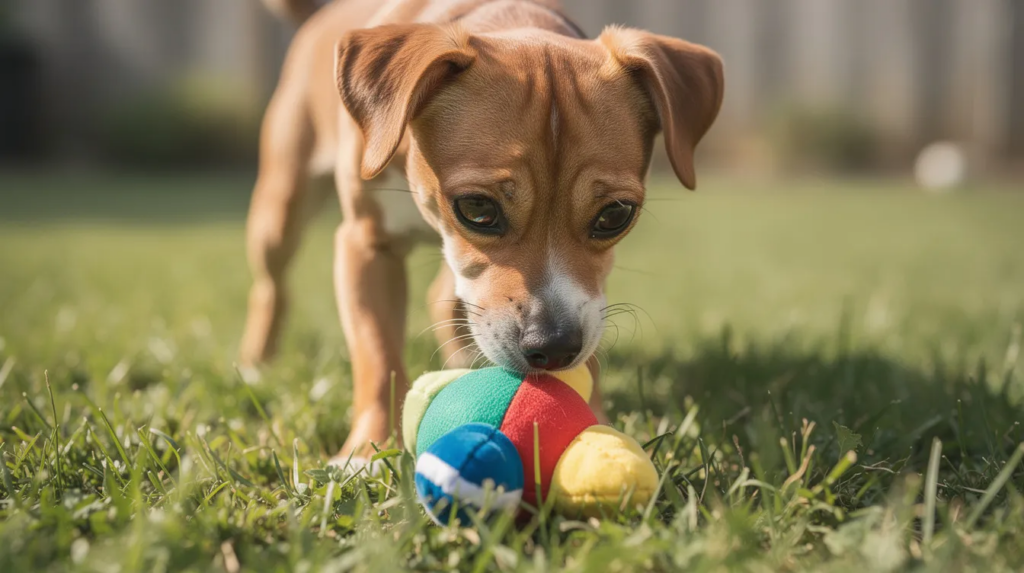
- Approaching a new object without retreating
- Stepping onto a different surface
- Walking calmly past a person at a distance
- Staying relaxed as a golf cart passes
Regular, short training sessions are more effective for building long-term confidence than infrequent long sessions. Keep sessions short, often around 2 to 5 minutes, and end on an easy success. Many dogs lose focus when training becomes too repetitive, so it is better to stop while your dog is still engaged and successful.
Implementing confidence-building exercises involves creating a “safe space” for the dog to succeed through positive reinforcement and gradual challenges. Praise small wins to celebrate minor progress, rather than waiting for perfect behavior.
To build your dog’s confidence in a more general way, provide them with enrichment activities and relationship-based training, such as feeding them via food puzzles and engaging them in nose work. Nose work encourages dogs to use their strongest sense, providing mental satisfaction and a sense of accomplishment.
Interactive games help dogs use their natural instincts and problem-solving skills in a low-pressure environment:
- Two feet on game: Teaching your dog the “two feet on” game can boost their confidence by encouraging them to place their paws on an object, which can help them feel more secure and assertive
- Middle game: The “middle” game helps dogs who are scared of other dogs or people by teaching them to position themselves between their owner’s legs, providing a sense of physical protection
- Cone game: Playing the “cone game” can help build confidence by encouraging them to put their nose into an object, which is a great way to prepare them for muzzle training and reduce anxiety
- Cardboard chaos: The “cardboard chaos” game helps dogs become more comfortable with different textures, noises, and movements, which can be beneficial for those who are easily startled
Using high-value rewards pairs new or slightly scary experiences with irresistible treats to create positive associations. Track improvements over time instead of expecting dramatic overnight changes in fearful dogs.
How Obedience Training Strengthens Trust and Confidence
Obedience training creates a shared language that reduces confusion and builds teamwork. Effective training methods for building a dog’s confidence focus on creating a history of success so the dog learns that trying new things leads to positive outcomes.
Clear cues like sit, down, heel, and place help dogs understand how to earn rewards. Using positive reinforcement during training teaches dogs that making decisions and engaging with their environment earns them rewards, which can help increase their confidence.
Start in low-distraction environments and build a strong success rate indoors before moving to parks, beach paths, or busier public areas. Positive reinforcement rewards brave behavior, curiosity, and successful task completion, helping your dog create better associations with training and new experiences.
Structured programs, including private lessons and board and train services from Off Leash K9 Training 30A, offer consistent practice and calm leadership that many dogs find reassuring. True confidence comes from repetition and proofing around gradually increasing distractions.
Using Leash Work to Support a More Confident Dog
Many dogs feel more secure when they understand how to walk on a loose leash near their handler. Structured walking keeps the dog’s focus on you and reduces the feeling of being responsible for monitoring everything in the environment.
Begin leash training in quiet areas before practicing along busier routes, bike paths, or popular 30A beach access points. Use consistent leash cues and reward calm attention.
If your dog starts to pull frantically, freeze, or show signs of overwhelm, take a break. Professional trainers can help owners handle reactivity or extreme pulling in ways that support long-term confidence.
How the Place Command Can Calm Nerves
The place command teaches your dog to go to a specific bed, mat, or cot and remain there until released. This gives nervous dogs a clear job and a predictable spot to relax.
Place works well during busy times like visitors arriving, children playing, or meal preparation. Introduce place inside the home first, then use it gradually in slightly busier environments like patios or quiet outdoor seating.
Reward your dog with calm praise, treats, or toys for choosing to stay on place. Reliable place training is a core part of many Off Leash K9 Training 30A programs because it helps dogs settle in real life situations.
Recall and Impulse Control as Confidence Builders
Recall and impulse control create safety and clarity, giving dogs more freedom only after they have proven they can handle it responsibly.
Recall means your dog happily returns when called, demonstrating trust in you. Impulse control exercises include:
- Waiting at doorways
- Pausing before jumping out of the car
- Holding a sit while people walk by
Practice these skills in a fenced yard before expecting off leash reliability. These abilities develop over time with patient repetition. Do not remove leashes or safety tools until your dog is truly ready.
Body Language: Your Dog’s First Language
When implementing desensitization and counter conditioning, it is crucial to monitor the dog’s body language and adjust the exposure level to ensure they do not feel overwhelmed.
Key body areas to watch:
| Body Part | Relaxed Signs | Stressed Signs |
| Eyes | Soft, blinking | Hard stare, whale eye |
| Ears | Neutral position | Pinned flat back |
| Mouth | Open, relaxed jaw | Tight lips, lip licking |
| Tail | Loose, mid-height wag | Stiff high or tucked low |
| Posture | Upright, fluid | Crouched, frozen |
No single signal should be judged in isolation. Look at the whole picture and notice early stress signs like yawning or head turns. When you see them, increase distance from the trigger or take a short break.
Consider keeping a simple journal of what your dog’s body looked like in different settings. This helps you spot patterns and make better training decisions over time.
Introducing New Environments Without Overwhelming Your Dog
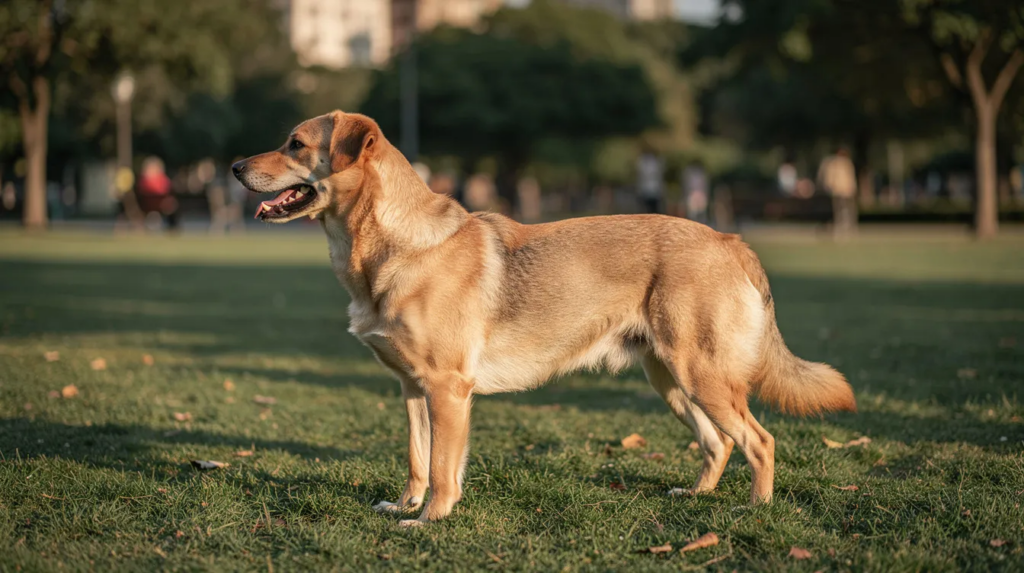
Many dogs who seem fine at home feel unsure in new places. It is okay to go slowly rather than forcing big outings.
Controlled socialization gradually exposes the dog to new sights, sounds, and surfaces without forcing them, allowing them to approach on their own terms.
The primary socialization period for puppies happens during the first three months of life, with many experts describing the sensitive period as roughly 3 to 14 weeks old. During this stage, puppies should be safely introduced to a variety of people, animals, sounds, surfaces, and environments without causing excessive fear, withdrawal, or avoidance. Positive early experiences can help shape a puppy’s future behavior and confidence, while incomplete or overwhelming socialization may increase the risk of fear, avoidance, or aggression later in life.
For any dog entering a new environment:
- Start with short visits of 5 to 10 minutes
- Stay at the edge of activity
- Let your dog observe before interacting
- Avoid stacking challenges (new dogs plus loud sounds plus unfamiliar location)
- End on a positive note with an easy obedience success
A practical example: visit a quieter beach access point during early morning, then gradually introduce busier times once your dog relaxes. Leave before exhaustion sets in.
When to Seek Professional Help for Confidence Issues
Many caring owners need extra support when dealing with fear, anxiety, or reactivity. This is not a failure. It is a responsible choice.
Signs it may be time to consult a professional:
- Frequent reactivity on walks
- Repeated barking or lunging at people or dogs
- Growling at visitors
- Guarding behavior
- Extreme shutdown in public
- Persistent fear that does not improve with consistent home training
A qualified trainer can create a customized plan that respects your dog’s emotional state while working toward practical goals like calm walks and reliable obedience commands.
Off Leash K9 Training 30A supports dogs throughout the 30A and Santa Rosa Beach area with private lessons, board and train programs, puppy training, and behavior modification for dogs dealing with fear, aggression, reactivity, or severe behavioral issues. A professional trainer can help create a structured plan that focuses on clearer communication, safer handling, and realistic progress for both dog and owner.
If your dog struggles with daily confidence, professional help can provide clearer communication, better structure, and a calmer path forward for both dog and owner.
FAQ
How long does it usually take to build a nervous dog’s confidence?
Timelines vary based on age, history, genetics, and environment. Some dogs show visible progress within 2 to 4 weeks of consistent structure and training. Dogs with deeper fears or past trauma may need 3 to 6 months of patient work. Steady daily effort and small wins matter more than speed. Pushing for quick results often slows progress.
Can older dogs still learn to be more confident?
Adult and senior dogs can absolutely learn new patterns and build more confidence, even if they missed early puppy socialization. Start especially gently with older dogs using shorter sessions, softer surfaces, and lower physical demands. Many older rescue dogs benefit significantly from structured routines and clear training that help them understand their new home.
Should I comfort my dog when they are scared, or will that make it worse?
Staying calm and predictable matters more than avoiding all reassurance. Panicked reactions from humans can increase a dog’s worry. Offer grounded support through neutral touch, soft voice, and simple cues rather than frantic fussing or constant petting. Pair your calm presence with distance from triggers and simple obedience tasks so your dog practices coping.
Is off-leash training safe for a nervous or reactive dog?
Off-leash reliability should only be a goal once a dog has strong obedience, solid recall, and improved emotional control in various leashed situations. For many dogs who lack confidence, the first priority is safety and success on leash. Off Leash K9 Training 30A offers structured obedience and behavior-focused programs and can help evaluate when off-leash work may be appropriate.
What if my dog seems fine at home but shuts down in public places?
This pattern is common because home is familiar and predictable, while public spaces add noise, movement, and strangers. Bridge the gap by practicing known skills first in the yard, then on quiet streets, and only later in busier areas. If the shutdown continues despite slow exposure, a local trainer can identify specific triggers and build a tailored plan for helping your dog explore the world with more confidence.
