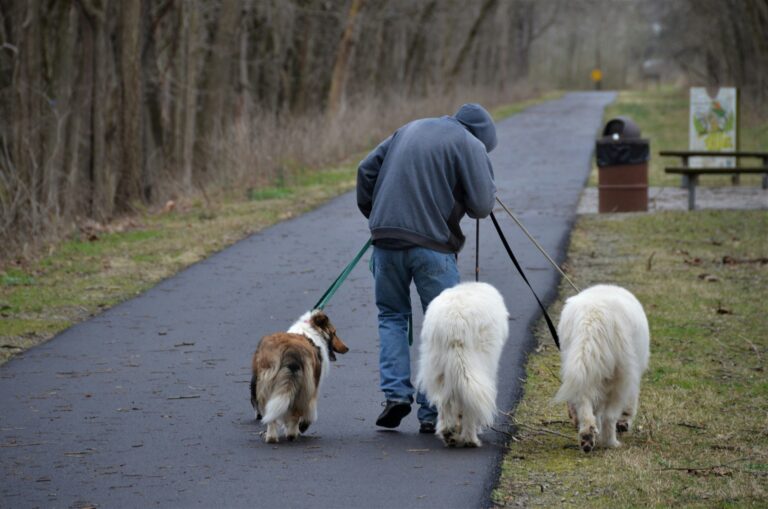
7 Signs Your Dog Needs More Structure
7 Signs Your Dog Needs More Structure. One might marvel at how much structure influences a dog’s demeanor and behavior. Have you noticed your furry friend becoming increasingly restless or disobedient? These often overlooked signals might indicate your dog needs a more structured environment to thrive.
Historically, dogs have thrived on routine and predictability, essential for their mental well-being. A compelling statistic shows that over 60% of dog behavior issues stem from a lack of structure. By recognizing these patterns, you can implement effective strategies to improve your dog’s behavior and overall happiness.
Excessive barking, increased destructive behavior, difficulty following commands, restlessness or hyperactivity, anxiety when left alone, unpredictable mood swings, and challenges during walks or social situations are key signs your dog needs more structure. Implementing a consistent routine can alleviate these behaviors and promote a balanced and well-adjusted pet.
7 Signs Your Dog Needs More Structure
Excessive barking and vocalization can be a clear sign that your dog needs more structure. Dogs might bark out of boredom, anxiety, or a desire for attention. When a routine isn’t in place, their barking can escalate quickly. Consistent training and set schedules can help resolve this issue. A well-structured day provides a sense of security and reduces unnecessary noise.
Increased destructive behavior is another indication. Chewed shoes, ripped furniture, or even dug-up gardens are warning signs. Dogs often resort to destructiveness when they’re not mentally stimulated. Daily routines with regular playtime and training sessions can alleviate these behaviors. Not only does structure keep their mind engaged, but also helps burn off excess energy.
A dog struggling to follow commands may also need more structure. Consistent training routines reinforce good behavior and improve command response. If a dog seems forgetful or reluctant to obey, re-evaluating their daily structure might help. Breaking commands into simpler steps can make training sessions more effective. Remembering regular practice is key to success.
Restlessness or hyperactivity often suggests that a dog’s schedule isn’t meeting their physical and mental needs. Varied activities, including regular walks and playtime, can channel their energy positively. Social interaction with other dogs or people can also help. Routine creates predictability, reducing overall anxiety. A tired dog is a happy, well-behaved dog.
Excessive Barking and Vocalization
Excessive barking and vocalization can disrupt not only your home but also your neighbors. Dogs may bark excessively due to boredom, anxiety, or a lack of attention. Identifying the root cause is crucial for addressing this behavior. Without structure, dogs may feel the need to express their unhappiness vocally. A consistent daily routine can help mitigate this issue.
Establishing a clear schedule is one effective way to reduce excessive barking. This includes regular feeding times, designated walks, and play sessions. A predictable routine gives dogs a sense of security. They learn to anticipate activities, reducing their need to bark for attention. Structured play and exercise are also beneficial.
Proper training can also play a significant role in controlling vocalization. Teaching your dog the “quiet” command can be very effective. Reward them when they follow this command to reinforce good behavior. Consistency is key in training, and it works best when incorporated into a structured routine. Positive reinforcement builds a strong foundation for better behavior.
Providing mental stimulation is another way to reduce boredom-induced barking. Toys, puzzles, and engaging activities can keep your dog’s mind occupied. Boredom is often a significant factor behind excessive barking. Structured activities can channel their energy constructively. Mental challenges are just as important as physical exercise for a well-behaved dog.
Increased Destructive Behavior
Increased destructive behavior in dogs can be very frustrating for owners. This often includes chewed up furniture, shoes, and even household items. Such behavior usually stems from a lack of structure and mental stimulation. Dogs need a daily routine to keep their bodies and minds busy. Without it, they may resort to destructive actions to entertain themselves.
One effective way to curb this behavior is by creating a consistent schedule for your dog. Regular feeding times, exercise, and play sessions can help. Structured activities reduce the chances of boredom, thus preventing destructive tendencies. Keeping your dog engaged mentally and physically can make a significant difference. Incorporate variety in their daily tasks to keep them interested.
Training is essential in correcting destructive behavior. Rewarding good behavior encourages your dog to repeat it. Setting clear boundaries and rules teaches them what is acceptable. Consistent training, along with a structured environment, yields the best results. Using interactive toys can also divert their attention from destructive activities.
Providing chew toys and puzzle feeders can keep your dog occupied. These items not only entertain but also challenge their minds. A table detailing different types of enrichment toys can help you choose the best ones: Toy Type Benefits Chew Toys Relieves stress and prevents boredom Puzzle Feeders Promotes mental stimulation Interactive Toys Encourages active play Introducing these tools can help manage destructive behaviors effectively.
Difficulty Following Commands
A dog having difficulty following commands can be frustrating for any owner. This lack of responsiveness is often a sign of insufficient structure. Without regular training sessions, dogs can become confused and unresponsive. A structured routine helps reinforce expectations. Consistently practicing commands daily improves a dog’s understanding and behavior.
Regular training is crucial for building reliable command-following skills. A mix of short, focused sessions throughout the day can be effective. Breaking commands into smaller, manageable steps aids comprehension. Rewarding positive behavior encourages repetition and success. Over time, this method strengthens the dog’s ability to understand and follow instructions.
A distraction-free environment is also important for training success. Minimizing external stimuli helps the dog focus on commands. Gradually introducing distractions can improve resilience. Using a variety of commands and situations maintains engagement. Consistency and patience are key elements in achieving desired results.
Different training tools can support command training. Clickers, treats, and verbal praise are commonly used. A table may help compare their effectiveness: Training Tool Benefits Clicker Provides instant feedback Treats Acts as a strong motivator Verbal Praise Strengthens bond with the dog Consistently using these tools reinforces positive command-following behavior.
Engagement goes beyond commands. Incorporating play and social interaction creates a balanced training approach. Structured socialization helps reinforce learned behaviors. Don’t forget, patience, and consistent practice make all the difference. Adopting these strategies ensures long-term obedience and a happier pet.
Restlessness or Hyperactivity
Restlessness or hyperactivity in dogs can be a sign of unmet needs. Dogs require both physical and mental stimulation to remain calm. Without enough exercise or engagement, they might exhibit excessive energy. Regular and varied activities help reduce restlessness. A structured routine helps channel their energy productively.
Providing multiple exercise sessions throughout the day can help. Short walks in the morning, playtime in the afternoon, and an evening stroll can be beneficial. This routine provides consistency and satisfies their need for activity. Keeping these sessions varied ensures they remain engaging for your dog. Breaking up exercise into smaller segments can prevent them from becoming overly tired.
Engaging your dog mentally is just as important as physical activity. Training sessions, puzzle toys, and scent games can stimulate their minds. Giving your dog a job or task during the day can also help. Mental challenges can tire a dog out just as effectively as physical activity. Regularly changing activities prevents boredom and keeps them interested.
Identification of triggers for restlessness can also aid in managing behavior. Noting when and where your dog becomes hyperactive can provide insights. Sometimes, simple changes in the environment or routine can make a big difference. Dogs thrive in a predictable and structured environment. Implementing small changes can improve their overall well-being.
A balanced diet also plays a role in managing hyperactivity. Providing the right nutrients ensures your dog’s energy levels are stable. Tables can help owners understand the balance in their dog’s diet: Nutrient Benefits Protein Supports muscle growth Fats Provides long-lasting energy Carbohydrates Offers quick energy Ensuring a balanced diet complements a structured routine, helping to manage restlessness and hyperactivity effectively.
Anxiety When Left Alone
Dogs experiencing anxiety when left alone may display a range of behaviors. These can include barking, whining, or destructive acts. This anxiety often stems from feelings of separation. Creating a structured routine for departures and returns can help. Consistency makes the absence less distressing.
Gradually increasing the time you spend away can also ease anxiety. Start with short periods and gradually extend the duration. This technique helps in building confidence. Using positive reinforcement when you return can be effective. A treat or praise reinforces calm behavior.
Providing a safe space can make your dog feel secure when alone. This could be a specific room or a cozy crate. Familiar items like toys or blankets can offer comfort. Ensuring the environment is free from hazards is crucial. Dogs with a safe space may settle more easily during your absence.
Engage with your dog in calming activities before you leave. A long walk or a play session helps expend excess energy. Tired dogs are more likely to rest. This reduces the chances of anxiety-driven behaviors. Adding these activities into a routine can make your absence less stressful.
Interactive toys can keep your dog busy when you’re away. Toys that dispense treats or puzzle toys are particularly engaging. Here’s a list of recommendations:
- Kong toys
- Interactive dispensers
- Chew toys
These tools can divert your dog’s focus and reduce anxiety. Keeping their minds engaged helps in creating a calm environment while you are gone.
Unpredictable Mood Swings
Unpredictable mood swings in dogs can be a puzzling issue for owners. These mood changes can range from sudden aggression to unexpected fear. Lack of structure is often a contributing factor. Dogs thrive on routine, and inconsistency can cause emotional instability. Providing a predictable schedule can help stabilize their moods.
Recognizing triggers for these mood swings is essential. Sometimes certain activities or environments can cause stress or excitement. Keeping track of when these mood changes occur might reveal patterns. Modifying routines according to these insights can minimize emotional fluctuations. Calm and stable environments are most beneficial for sensitive dogs.
Consistent training practices also play a critical role in managing moods. Structured training reinforces positive behavior and reduces anxiety-related reactions. Regular practice sessions help the dog know what to expect, reducing uncertainty. Engaging in calm, controlled exercises can soothe an agitated dog. Predictability through consistent training significantly impacts their emotional state.
Building strong bonds with your dog contributes to better mood management as well. Quality time spent together strengthens trust and security:
- Daily walks
- Playtime
- Cuddling sessions
These activities foster a safe and loving environment, enhancing the dog’s overall well-being.
A balanced diet supports mental and physical health which affects emotional stability: Nutrient Mood Benefits Amino Acids Support neurotransmitter function Omega-3 Fatty Acids Reduce inflammation and improve brain health B Vitamins Boost energy levels and reduce stress responses Feeding your dog a nutritious diet helps regulate their emotions effectively.
Challenges During Walks or Social Situations
Challenges during walks or social situations are common signs that your dog needs more structure. A dog pulling on the leash or reacting aggressively to other dogs indicates a lack of training. Regular, consistent practice can help improve behavior. Structured walks where protocols are followed can create a calming routine. This routine helps the dog understand what is expected of them.
Introducing socialization in a controlled environment can alleviate many issues. Gradual exposure to different social settings can build confidence. Keeping interactions positive helps reduce anxiety and aggression. A well-structured socialization plan includes meeting other dogs, people, and experiencing varied environments. Over time, this builds a more resilient and sociable dog.
Training tools can be useful in managing challenging walking behaviors. Consider using items like harnesses or gentle leaders, which offer better control. To understand the options available, here’s a table: Tool Benefit Harness Distributes pressure evenly, preventing choking Gentle Leader Gives better control of the dog’s head, reducing pulling Standard Leash Provides clear boundaries and communication Proper usage of these tools enhances the effectiveness of your training regimen.
Incorporating basic commands during walks can also be beneficial. Commands like “sit,” “stay,” and “heel” can provide structure and control. Practicing these commands regularly ensures your dog understands and responds appropriately. Consistency reinforces the desired behaviors. Structured walks combined with command practice build a harmonious walking experience.
Meeting a dog’s physical needs through regular walks is essential. However, it’s also crucial to address their mental and emotional well-being. Engaging in diverse environments can stimulate their senses and provide necessary enrichment. A balanced approach keeps the walks enjoyable for both you and your dog. Structure and consistency make social situations less challenging and more rewarding.
The Benefits of Adding Structure to Your Dog’s Routine
Adding structure to your dog’s routine offers numerous benefits for both the dog and the owner. A predictable daily routine helps reduce anxiety and stress. Dogs feel more secure when they know what to expect. This predictability also improves their behavior. Well-structured days can lead to a happier, more obedient pet.
Regular routines can help in managing a dog’s energy levels effectively. Scheduled exercise sessions ensure their physical needs are met. This can prevent restlessness and hyperactivity. Adding mental stimulation activities keeps their minds sharp. Both physical and mental exercises contribute to their overall well-being.
Structured routines make training more effective. Consistent training at regular times helps reinforce good behavior. Dogs can learn commands and tricks more quickly when taught within a predictable framework. This approach builds a strong foundation for future training. A clear routine also helps in troubleshooting any behavioral problems.
Providing a balanced diet at consistent times is easier with a structured routine. A feeding schedule regulates digestion and energy levels. Tables can help illustrate the benefits: Feeding Benefit Explanation Regulated Digestion Prevents stomach issues and promotes regularity Stable Energy Levels Reduces spikes and dips in energy Weight Management Helps maintain a healthy weight Following a structured feeding schedule supports a dog’s health efficiently.
Improved social behavior is another benefit of a structured routine. Regular socialization within a predictable schedule helps dogs become more comfortable around others. This can reduce anxiety and aggression during social interactions. Structured playdates and walks teach them how to behave appropriately. A well-structured routine creates a balanced and confident dog.
Common Mistakes Owners Make with Structure
One common mistake owners make is being inconsistent with routines. A routine should be predictable so the dog knows what to expect. Skipping regular walks or training sessions can confuse your pet. Inconsistency can lead to anxiety and undesirable behaviors. Dogs thrive on predictability and structure.
Another mistake is not providing enough mental stimulation. Physical exercise is important, but dogs also need activities that challenge their minds. Puzzles, training sessions, and interactive toys are great for this purpose. Without adequate mental stimulation, dogs may become bored. Boredom can lead to destructive behaviors and restlessness.
Overfeeding or irregular feeding schedules can also disrupt a dog’s routine. Ensuring mealtimes are consistent helps regulate their digestion and energy levels. Tables can clarify the impact of inconsistent feeding: Issue Consequence Irregular Feeding Digestive problems Overfeeding Weight gain and health issues Lack of Variety Nutrient deficiencies Maintaining a regular feeding schedule with balanced nutrition is essential.
Finally, many owners fail to enforce boundaries consistently. Allowing a dog to ignore commands or show undesirable behavior occasionally can reinforce bad habits. Consistency in enforcing rules helps dogs understand their limits. It’s important to correct unwanted behaviors immediately. Structured rules make for a well-behaved and happy dog.
Ignoring a dog’s social needs is also a common oversight. Regular socialization should be part of a structured routine. Meeting other dogs, interacting with people, and experiencing different environments are crucial. A lack of social structure can lead to anxiety or aggression. Structured social activities enhance a dog’s confidence and behavior.
How to Introduce Effective Structure for Your Dog
Introducing effective structure for your dog begins with establishing a consistent routine. Regular feeding times, walks, and play sessions are essential. A predictable schedule helps reduce anxiety and improves behavior. Start with simple routines and gradually introduce more complex activities. Consistency is key to making these habits stick.
Off Leash K9 Training 30 A encourages training sessions to be a part of the daily routine. Short, focused sessions are more effective than longer ones. Use positive reinforcement to reward good behavior. Commands can be taught gradually, ensuring your dog understands each one. Structured training builds confidence and strengthens your bond with your dog.
Providing both physical and mental stimulation is crucial for a balanced routine. Physical activities like walking, running, or playing fetch keep your dog fit. Mental stimulation, such as puzzle toys or training exercises, keeps their mind sharp. A mix of both ensures a well-rounded routine. This balance helps prevent boredom and reduces destructive behaviors.
Consistency in enforcing rules and boundaries is essential. Avoid giving mixed signals by being firm yet fair. Allowing certain behaviors sometimes and not others can confuse your dog. Consistent correction of unwanted behaviors is necessary. A well-defined set of rules makes expectations clear and helps the dog feel secure.
Socialization should also be part of your structured routine. Regular interactions with other dogs and people are important. Supervised playdates and visits to the park can be very beneficial. Social activities teach dogs how to behave in various environments. A structured approach to socialization improves your dog’s confidence and manners.
A table can help highlight key elements of an effective dog structure: Element Benefit Consistent Routine Reduces anxiety Training Sessions Improves behavior Physical Stimulation Keeps dog fit Mental Stimulation Prevents boredom Enforcing Rules Provides security Socialization Improves confidence and manners Implementing these strategies creates a well-structured and happy environment for your dog.
Frequently Asked Questions
Understanding the signs and benefits of structured routines for dogs can greatly improve their behavior and well-being. Below are some common questions and answers on the subject to help you provide the best care for your furry friend.
1. Why does my dog bark excessively when alone?
Excessive barking when your dog is alone can be a sign of separation anxiety. Dogs seek attention through barking, indicating that they may be stressed or feeling isolated. Establishing a consistent routine for departures and arrivals can alleviate their distress.
Implement strategies like gradually increasing the time you’re away and creating a safe space for them. Toys and puzzles can also keep them occupied. Reducing the triggers for anxiety through structured activities helps in calming your dog and reducing excessive barking.
2. How can I prevent my dog from being destructive?
Destructive behavior in dogs often stems from boredom or excess energy. A key remedy is to provide a structured routine that includes physical and mental activities. Regular walks, playtime, and interactive toys can reduce their inclination to chew on furniture or shoes.
Training sessions incorporated into their daily schedule help reinforce good behavior and create mental challenges. Structured playtimes and scheduled breaks help keep their minds and bodies busy, minimizing opportunities for destructive actions.
3. What are the benefits of a structured feeding schedule for dogs?
A structured feeding schedule helps regulate your dog’s digestion and maintain stable energy levels. Scheduled feeding times decrease the chances of overeating and help in maintaining a healthy weight.
With regular mealtimes, dogs learn to anticipate their meals, reducing anxiety around food and promoting good eating habits. Consistency in feeding is crucial for their physical health and overall well-being.
4. How can regular socialization improve my dog’s behavior?
Regular socialization helps dogs become familiar with different environments, people, and other animals. This reduces anxiety and fear during social interactions, making them more confident and well-mannered.
Structured social events, such as playdates and park visits, teach dogs appropriate behaviors and improve their overall social skills. Consistent exposure to diverse situations within a controlled framework ensures they develop positive reactions and adaptability.
5. What training tools can help in setting a structure for my dog?
Using training tools like clickers, treats, and harnesses can make establishing a routine easier. Clickers provide instant feedback, treats offer positive reinforcement, and harnesses give better control during walks.
These tools, when used consistently during training sessions, help reinforce desired behaviors and make commands clearer. Structured use of training tools contributes to a well-behaved and obedient dog, making everyday life smoother and more enjoyable.
Conclusion
Establishing a structured routine for your dog offers numerous benefits, from reducing anxiety to preventing destructive behavior. Consistency in daily activities like feeding, exercise, and training promotes a sense of security. This reliability helps improve their overall well-being and behavior. Structure isn’t just beneficial, it’s essential.
Reflect on your own dog’s routine and consider where improvements can be made. Small changes can lead to significant positive outcomes. By implementing a well-structured routine, you’ll create a happier, healthier environment for your pet. Investing time in structure now ensures a harmonious future together.