
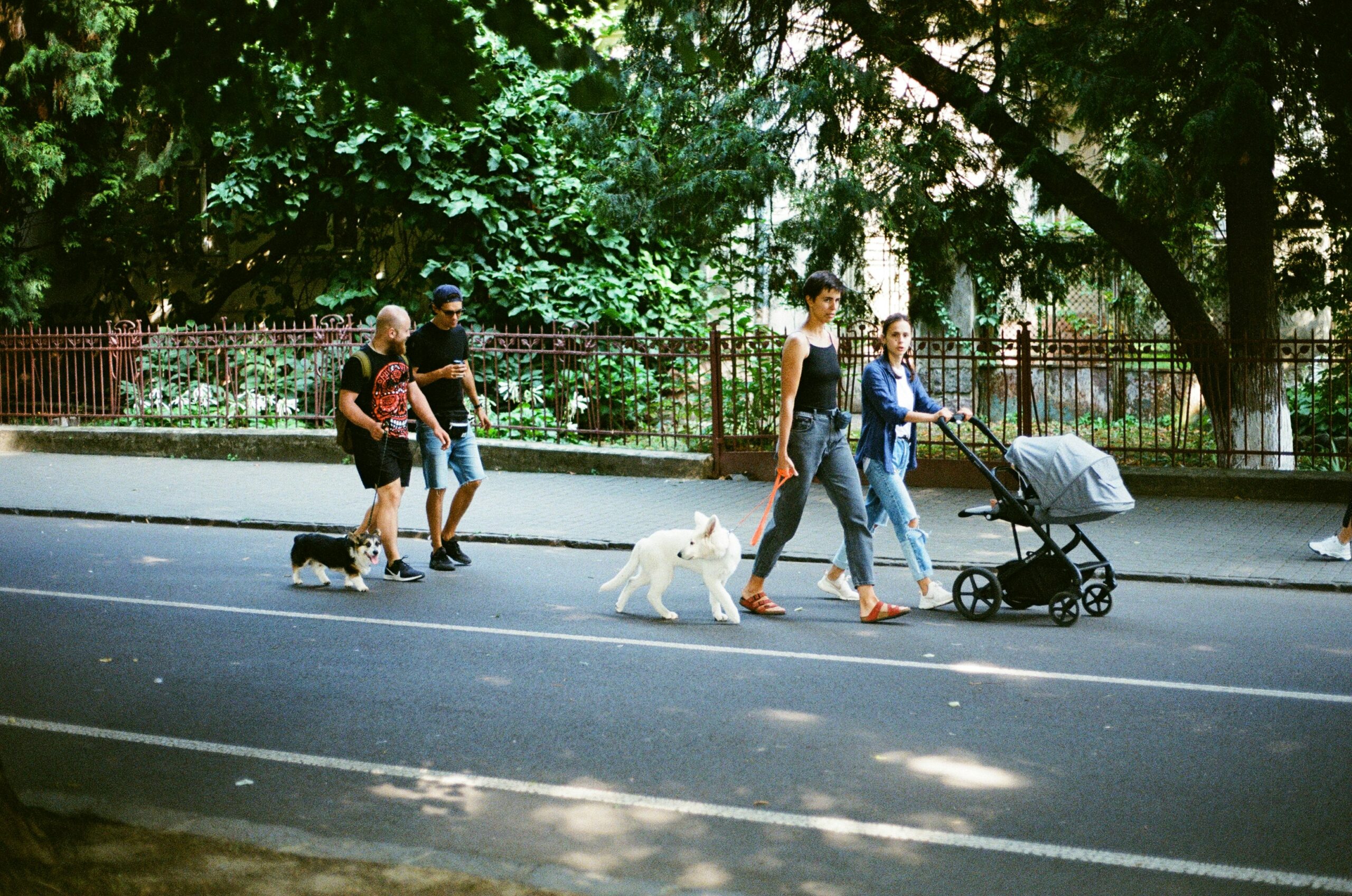
Pack Walks: 3 Key Benefits for K9 Behavior and Socialization. Have you ever considered how crucial social interaction is for dogs? Pack walks are an incredibly effective way to foster such interaction, enabling dogs to develop social skills and reduce behavioral issues. By walking as part of a group, dogs learn to communicate, establish hierarchies, and develop a sense of belonging to a pack.
Historically, dogs are pack animals, thriving in environments where they can engage in communal activities. Pack walks replicate this natural setting, creating a structured environment where dogs can release energy and handle stress better. According to a study by the Journal of Veterinary Behavior, dogs in pack walks exhibit fewer signs of anxiety and aggression, reinforcing the value of this practice.
Pack walks with dogs are crucial for their social development and overall well-being. They help reduce behavioral issues, foster better communication, and establish hierarchies within the group. These walks also provide mental stimulation, promote physical health, and strengthen bonds between dogs and their handlers, ensuring a balanced and happier life for your canine companions.
The importance of pack walks with dogs
Pack walks are more than just a physical activity for dogs; they serve as an essential tool for social growth. When dogs walk together, they learn to interact and communicate effectively. This helps prevent aggression and builds trust among them. The group dynamic also provides a sense of security and structure, which many dogs thrive on. Additionally, these walks mimic the natural pack behavior of dogs, promoting mental wellness.
Engaging in pack walks enhances dogs’ mental and physical health. Regular exercise reduces anxiety and promotes better sleep patterns. Fresh air and diverse environments stimulate their senses. This keeps them happy and well-adjusted. Moreover, a tired dog is less likely to develop destructive behaviors due to boredom.
For handlers, pack walks offer an opportunity to reinforce training commands in a controlled yet dynamic setting. This consistency helps dogs understand and respond better in various situations. It also strengthens the bond between handler and dog. Additionally, observing different dogs can provide insights into various behavioral traits and needs. This knowledge can be valuable for fostering a well-balanced pack.
To maximize the benefits of pack walks, it’s essential to establish clear guidelines and maintain control. Handlers should use proper leashes and ensure that all dogs are comfortable around each other. Monitoring the group for signs of stress or discomfort is crucial. Ensuring a safe and enjoyable experience for everyone helps create positive associations. As a result, both dogs and handlers look forward to these enriching outings.
Key benefits for canine behavior and socialization
Pack walks are instrumental in teaching dogs how to behave in a group setting. Off Leash K9 Training 30 A says this interaction helps dogs understand social cues and proper behavior. They learn how to be respectful and avoid aggression. These skills are crucial for preventing fights and fostering peace. Meeting other dogs regularly can make them more confident and better adjusted.
Another significant benefit of pack walks is reducing stress and anxiety in dogs. Regular exposure to new places and situations makes them less fearful. They become accustomed to different sounds, sights, and smells. This broadens their comfort zone, which reduces anxiety. A relaxed dog is much easier to train and happier overall.
Pack walks also encourage natural behaviors that dogs might not get to express while confined at home. Walking in a group allows them to practice leadership and followership roles. This can lead to better cooperation and harmony within the pack. These walks offer a chance for free play, which is essential for mental stimulation. Furthermore, observing other dogs can teach them how to behave in various scenarios.
For dog owners, pack walks provide a controlled environment to reinforce training and obedience. Consistent practice in a group setting ensures that dogs understand commands. This is helpful for both new and experienced handlers. Additionally, it’s a great way to engage with the community and learn from other dog owners. Sharing tips and experiences can be invaluable.
How pack walks contribute to physical and mental health
Pack walks play a significant role in maintaining dogs’ physical health. Walking regularly helps to burn excess energy. It also aids in keeping their weight in check. This kind of activity builds strong muscles and robust cardiovascular systems. Just like humans, exercise is vital for dogs to stay fit and healthy.
Apart from physical benefits, pack walks provide substantial mental health advantages. The varying environments stimulate their senses. Dogs get to see, hear, and smell new things, which keeps their brains active. Exploring with other dogs also fosters positive mental stimulation. This interaction can lead to a happier and more well-adjusted pet.
Additionally, pack walks help to build resilience in dogs. Facing new situations together can boost their confidence. This can make them less fearful of unexpected events. Being part of a group provides a sense of security and reduces feelings of isolation. This support network proves beneficial for their overall well-being.
Owners can also see improvements in their dog’s behavior. Regular exercise reduces hyperactivity and destructive tendencies. This makes them easier to manage at home. Observing other dogs can help them learn acceptable behaviors. Over time, these activities contribute to a more balanced and content pet.
Role in building stronger bonds between dogs and handlers
Pack walks are an excellent way to build stronger bonds between dogs and their handlers. During these walks, handlers spend focused one-on-one time with their dogs. This creates a unique opportunity for bonding and communication. Dogs come to view their handlers as leaders and protectors. This trust and respect translate into a more obedient and loyal pet.
Engaging in pack walks reinforces training and obedience. The varied environment provides ample opportunities to practice commands. Handlers can assert control and guide their dogs through different scenarios. This consistency helps dogs understand expectations. It also strengthens the training foundation laid at home.
Walking in sync with a handler develops a sense of teamwork in dogs. They learn to match their pace and actions with the handler’s cues. This coordination becomes a form of non-verbal communication. Over time, this enhances mutual understanding. The dog becomes more attuned to the handler’s movements and instructions.
Pack walks also provide social interaction for handlers. Meeting other dog owners creates a supportive community. Sharing experiences and tips can be incredibly beneficial. This network can offer advice and encouragement for ongoing training. It’s a win-win situation for both dogs and their handlers.
Handlers who participate in pack walks tend to notice behavioral improvements in their dogs. Regular exercise dissipates excess energy, leading to better behavior at home. Consistent interaction with the handler fosters a deeper connection. This bond makes training more effective and enjoyable. The result is a well-behaved and happy dog.
Best practices for organizing safe and effective pack walks
Organizing a safe and effective pack walk starts with knowing the dogs in your group. It’s crucial to understand their temperaments and social skills. This ensures the group dynamic remains positive and harmonious. Introducing new dogs gradually can help avoid conflict. Observation during initial meetings is essential to gauge compatibility.
Proper equipment is another key to a successful pack walk. Using sturdy leashes and well-fitting collars or harnesses is crucial. This allows handlers to maintain control and prevent escapes. Bringing extra supplies, like water and waste bags, is also beneficial. Being prepared for emergencies is part of responsible dog handling.
Route planning is essential for an enjoyable pack walk. Choosing a path with minimal distractions can help maintain focus. Safe walking trails free from heavy traffic and hazardous terrain are best. It’s important to vary the route occasionally to keep the dogs engaged. Predictable patterns can lead to boredom and restlessness.
Consistent training and reinforcement of commands during the walk are vital. This keeps the dogs disciplined and avoids behavioral issues. Handlers should reward positive behavior with treats or praise. This reinforces training and encourages good manners. Consistency across the group promotes a cohesive walking experience.
Finally, monitoring the health and well-being of all dogs during the walk is crucial. Watching for signs of fatigue or distress helps prevent overexertion. Taking regular breaks allows dogs to rest and rehydrate. Handlers should remain vigilant and intervene if any issues arise. Ensuring the safety and comfort of the dogs is the top priority on any pack walk.
Common misconceptions about pack walks with dogs
Many people think pack walks are only for large, high-energy breeds. This isn’t true. Any dog, regardless of size or energy level, can benefit from pack walks. From Chihuahuas to Great Danes, all dogs enjoy the socialization and exercise. It’s about meeting their needs and helping them thrive.
Another misconception is that pack walks lead to aggressive behavior. On the contrary, well-organized pack walks can reduce aggression. Dogs that socialize regularly learn to behave better. They develop patience, understanding, and better social skills. Proper supervision ensures that interactions remain positive.
Some believe that only professional trainers can organize successful pack walks. While professionals can help, any responsible owner can lead a pack walk. Basic training knowledge and attention to safety are key. Many communities offer resources and groups for dog owners. Joining these can provide support and advice.
People often think that pack walks are too chaotic. However, structured pack walks can be very orderly. Consistent commands and good equipment keep the group under control. Handlers can maintain discipline and focus. This organization makes the experience enjoyable for both dogs and humans.
There is also the idea that pack walks are stressful for shy or timid dogs. In reality, these dogs can greatly benefit from gentle exposure. Gradual, positive experiences build confidence. Over time, shy dogs become more comfortable in social settings. Handlers should always monitor and support their needs.
Packing walks into a training and enrichment regimen
Incorporating pack walks into a dog’s regular training and enrichment regimen is incredibly beneficial. These walks provide an opportunity to practice obedience commands in real-world settings. It’s the perfect time to reinforce sit, stay, and recall. Training during pack walks helps dogs respond well amidst distractions. This makes them more reliable in everyday situations.
Pack walks are also excellent for socialization, which is a key part of any dog’s development. Dogs learn how to interact politely with both their peers and humans. Positive interactions prevent behavioral problems like fear or aggression. Regular socialization ensures your dog feels confident around others. This confidence can reduce stress-related issues.
Adding mental stimulation during pack walks can enrich your dog’s experience even further. Incorporate activities like scent games or obstacle courses along the route. These challenges engage your dog’s mind and keep them alert. A mentally stimulated dog is less likely to become bored or destructive at home. This makes the overall training more effective.
To maximize the benefits of pack walks, consistency is crucial. Scheduling regular outings reinforces good behavior patterns over time. Consistent routine makes these activities a normal part of life for your dog. Finding a group with similar goals can enhance the experience for everyone involved.
Monitoring your dog’s health and comfort during these activities ensures they stay positive experiences. Always be aware of signs of fatigue or distress in your dog. Adjusting the length or intensity of walks as needed helps maintain their enthusiasm for these outings. The goal is to make training and enrichment sessions enjoyable for both you and your dog.
Challenges and solutions in group walking scenarios
Organizing group walks with dogs can present several challenges. One common issue is managing dogs with different energy levels. High-energy dogs may want to go faster, while calmer dogs might lag behind. To handle this, consider grouping similar energy levels together. This way, everyone enjoys a pace that suits them.
Another challenge is dealing with aggressive behavior. Some dogs may not be used to walking in a group, which can lead to tension. Gradually introducing new dogs to the group can help prevent conflicts. Supervised initial meetings allow dogs to get comfortable with each other. They learn to interact positively over time.
Distracting environments can also pose challenges. Busy streets or parks with lots of stimuli can make dogs anxious or overexcited. Choosing quieter routes initially can help dogs focus better. Gradually exposing them to more distractions teaches them to remain calm. This controlled exposure builds their confidence.
Another important factor is ensuring all handlers understand the group dynamics. Clear communication among handlers keeps everyone on the same page. Establishing basic ground rules, like maintaining distance and following commands, helps maintain order. Consistency in these rules makes the walk smoother for all participants. Regular meetings can reinforce these guidelines.
Weather conditions can also affect group walks. Hot weather can lead to overheating, while cold can be uncomfortable. Checking the forecast and preparing accordingly is essential. Bringing water and taking breaks ensures the dogs stay safe. Adjusting the length of the walk based on weather helps keep the experience pleasant.
Expert insights on the future of canine group activities
Experts predict a rise in organized canine group activities in the coming years. With growing awareness of their benefits, more dog owners are seeking out these opportunities. Group walks, socialization classes, and play sessions are gaining popularity. As communities become more dog-friendly, access to safe spaces for these activities will increase. This trend shows a promising future for canine socialization.
Innovative technology is also playing a role in shaping these activities. GPS-enabled collars and tracking apps allow handlers to monitor dogs’ movements during walks. These tools ensure safety and provide data on their exercise levels. Virtual platforms are emerging for organizing events and connecting dog owners.
There’s an increasing focus on tailored group activities that meet individual dog needs. Programs are being developed to cater to various breeds, sizes, and temperaments. This personalized approach helps address specific behavioral challenges. It also maximizes the benefits of socialization and exercise. Professionals are continuously refining techniques to create effective group dynamics.
Experts emphasize the importance of education and training for dog handlers. Understanding canine behavior and group management is essential. Workshops and seminars are becoming a standard part of canine community activities. They equip handlers with practical skills and knowledge. This contributes to safer and more enjoyable experiences for all participants.
Overall, the future of canine group activities looks bright. Enhanced understanding, advanced technology, and focused education will lead to better experiences for dogs and handlers alike. As these practices evolve, they will continue to support the physical and mental well-being of our furry companions.
Frequently Asked Questions
Pack walks provide numerous benefits to dogs, including better socialization, improved behavior, and enhanced physical health. Below are some common questions about the importance and dynamics of pack walks for dogs.
1. How do pack walks improve a dog’s social skills?
Pack walks expose dogs to different personalities, teaching them how to interact and communicate. They learn to read body language, recognize social cues, and understand appropriate behavior. This helps reduce aggression and anxiety, making them more sociable and well-mannered.
Gradual exposure to others in a structured environment aids their social development. Guided interactions foster trust and confidence among dogs, contributing to a harmonious pack dynamic.
2. What equipment is essential for a safe pack walk?
Proper equipment is crucial for managing a safe pack walk. Invest in sturdy leashes, well-fitting collars or harnesses, and consider using a leash splitter for better control. Water bottles and waste bags are essential, ensuring that dogs stay hydrated and areas remain clean.
Handling distractions is easier with the right gear. Reflective vests or collars enhance visibility during early morning or evening walks, keeping both dogs and handlers safe.
3. Can senior dogs benefit from pack walks?
Yes, senior dogs can significantly benefit from pack walks. Gentle exercise helps maintain their physical health without overexertion. Social interactions keep them mentally engaged, reducing stress and providing a sense of companionship.
Adjust the pace and duration to suit older dogs’ abilities, ensuring they remain comfortable. Regular, light activity can improve their overall quality of life, both physically and emotionally.
4. How should new dogs be introduced to a pack walk?
New dogs should be introduced gradually to a pack walk. Start with one-on-one meetings with other dogs to assess compatibility. Increase group size slowly to prevent overwhelming the new dog and ensure positive interactions.
Supervision is essential during initial introductions. Rewarding calm behavior with treats encourages positive associations, helping new dogs adjust confidently to the group.
5. What are the signs of stress to watch for during a pack walk?
Signs of stress in dogs during a pack walk include excessive panting, drooling, and whining. They might also show cowering, tail tucking, or freezing in place. It’s important to monitor these signs and provide breaks when needed.
Handlers should ensure the walk remains a positive experience. By attending to each dog’s comfort level, potential stress can be mitigated, ensuring an enjoyable outing for all.
Conclusion
Pack walks are an invaluable tool for enhancing the social and physical well-being of dogs. They foster better behavior, reduce anxiety, and build stronger bonds between dogs and their handlers. The structured environment of pack walks provides a safe space for dogs to learn and grow. This leads to a more balanced and fulfilled life for our canine companions.
As we move forward, incorporating pack walks into regular training regimens will continue to yield positive results. With the right practices and equipment, these walks can be both safe and enjoyable for all involved. The future of canine group activities looks promising, promising better health and happiness for our furry friends. Keep prioritizing these outings for a well-rounded, happy dog.