5 Steps to Building Your Dogs Confidence
5 Steps to Building Your Dogs Confidence. Ever wondered why some dogs exude confidence while others hesitate at every turn? It’s akin to human personalities; some develop naturally, while others need nurturing guidance. Much like a child learning to ride a bike, dogs, too, can gain confidence through consistent positive reinforcement and exposure to new experiences.
Historically, dogs have been our companions for thousands of years, yet their confidence can be swayed by their environment and experiences. A study revealed that dogs who partake in regular training sessions exhibit increased confidence levels. Simple activities like obedience training, agility exercises, and regular socialization are pivotal in building your dog’s self-assurance and reducing anxiety.
- Early socialization with various environments, people, and animals.
- Utilizing positive reinforcement techniques for desirable behaviors.
- Consistent training sessions to build obedience and self-assurance.
- Gradual exposure to new environments to reduce anxiety.
- Addressing and managing fear with desensitization methods.
How to Grow Your Dog’s Confidence
Growing your dog’s confidence begins with early socialization. Introduce your dog to various environments, people, and other animals from a young age. This helps them understand that the world is safe and not full of threats. Consistent exposure to positive experiences is crucial. Remember, early socialization sets a foundation for a confident adult dog.
Positive reinforcement techniques are essential in building your dog’s confidence. Reward your dog whenever they display brave or desirable behavior. This can be done using treats, praise, or affection. Positive reinforcement helps them associate good behavior with positive outcomes. It motivates your dog to continue acting confidently.
Off Leash K9 Training 30A knows that consistent training sessions are vital. Regular training not only improves obedience but also boosts your dog’s self-assurance. Use short, enjoyable training exercises daily. This consistency makes your dog feel secure and understood. Gradually, they’ll start approaching new challenges with confidence.
Expose your dog to new environments gradually. Start with less intimidating places and gradually introduce more challenging ones. This technique helps reduce anxiety associated with the unknown. Monitor your dog’s reactions and adjust the pace accordingly. Over time, they will learn to handle different situations confidently.
Step 1: Early Socialization
Early socialization for your dog is essential for confidence building. The goal is to introduce your dog to new experiences in a controlled, positive manner. Start by exposing them to different people, sounds, and environments. This helps them understand the world isn’t frightening. Socialization should begin as early as possible, ideally during the puppy stage.
During socialization, keep encounters short and positive. Use treats and praise to reward calm and friendly behavior. Gradual exposure ensures your dog doesn’t become overwhelmed. Taking things slow is key here. Remember, each dog progresses at their own pace.
Walking your dog in different settings can greatly help. Parks, streets, and even quiet neighborhoods provide varied stimuli. Observing other animals and people helps your dog learn proper social cues. Be sure to supervise all interactions closely. This minimizes the risk of negative experiences.
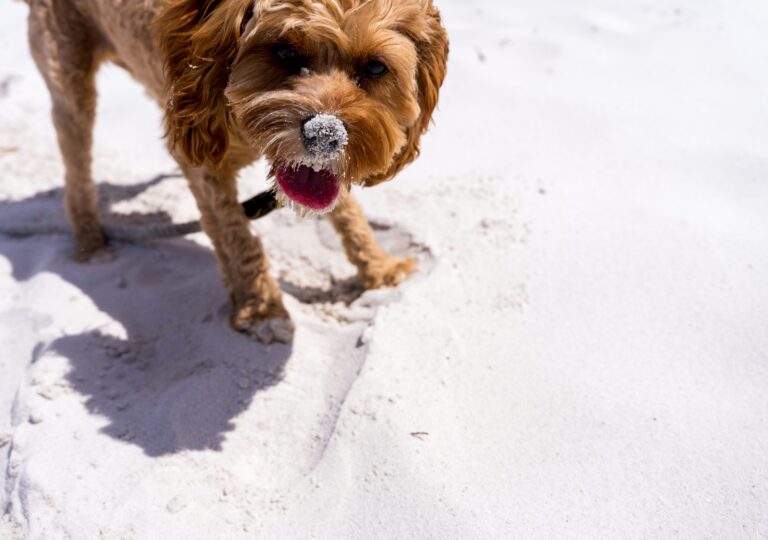
Include different textures and surfaces in their environment. Let them walk on grass, sand, and concrete. This adds to their sensory experiences. Positive and varied interactions form the basis of a well-adjusted, confident dog. Consistency here lays the groundwork for future learning.
Step 2: Positive Reinforcement Techniques
Positive reinforcement techniques are crucial in growing your dog’s confidence. These methods involve rewarding your dog for displaying desirable behaviors. Rewards can include treats, praise, or playtime. Always give the reward immediately after the desired behavior. This ensures your dog associates the reward with their action.
Consistency is key when using positive reinforcement. Reinforce behaviors every time they occur initially. Gradually, you can reduce the rewards but still praise the behavior. This approach helps your dog understand expectations. It also keeps them motivated and eager to please.
Avoid punishment-based methods. Punishments can lead to fear and anxiety, which undermines confidence. Instead, focus on encouraging the behaviors you want to see. If a mistake happens, redirect your dog gently. They will learn more effectively in a positive environment.
Use a variety of rewards to keep things exciting. This can include different treats or switching up praise with toys. Variety prevents your dog from becoming bored. It keeps their training sessions engaging. Their confidence will grow with every successful interaction.
Step 3: Consistent Training Sessions
Consistent training sessions play a pivotal role in boosting your dog’s confidence. Regular practice makes your dog familiar with commands and expectations. Daily training ensures steady progress. These sessions should be short and engaging. Long sessions may lead to boredom or frustration for your dog.
During training, keep the environment distraction-free. This helps your dog focus better. Consistency in location and timing can also create a sense of routine. A routine provides stability and security for your dog. It minimizes confusion and promotes better learning.
Using a blend of commands can maintain your dog’s interest. Rotate between basic commands like sit, stay, and come. Introduce new tricks to challenge your dog. This variety keeps training fun and stimulating. Engaging activities are more likely to retain your dog’s interest.
Positive reinforcement should continue here. Reward your dog after each successful command with treats or praise. This strengthens the association between command and reward. Your dog will look forward to training sessions. They’ll approach learning with enthusiasm.
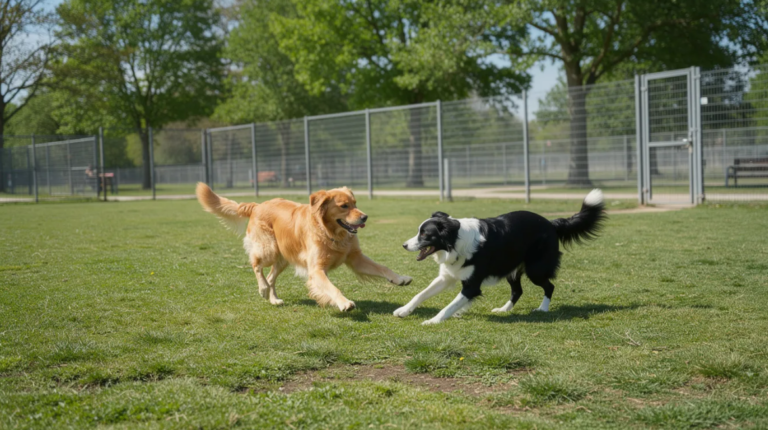
Social training is also beneficial. Include other dogs or family members in sessions occasionally. This helps your dog learn to respond in various situations. They become comfortable with different people and animals. This social exposure further enhances their confidence.
Step 4: Exposure to New Environments
Exposure to new environments is critical in boosting your dog’s confidence. Start by taking short trips to varied locations such as parks, busy streets, and beaches. Gradually increase the duration of these outings. This gradual exposure helps your dog adjust to new stimuli. It reduces the likelihood of overwhelming them.
While exploring new environments, observe your dog’s reactions closely. If they seem anxious, take a step back and give them time to relax. This may mean shortening the trip or finding a quieter spot. Consistency in these outings is key. Over time, your dog will become more comfortable in different settings.
Including a variety of textures and surfaces can be beneficial. Letting your dog walk on grass, sand, gravel, and pavement enhances their sensory experiences. This exposure builds their adaptability. It ensures they’re comfortable in all sorts of conditions. Keep sessions positive and encouraging.
Interacting with different animals and people is also vital. Controlled socialization is important for this step. Keep initial interactions brief and friendly. Use positive reinforcement to reward your dog for calm behavior. This helps them associate good experiences with meeting new friends.
Incorporate a mix of familiar and new activities during these outings. Play their favorite game in a new park or practice obedience commands during a hike. This mixture maintains their interest and engagement. They learn to stay focused and confident regardless of their surroundings.
Step 5: Addressing and Managing Fear
Addressing and managing fear in your dog is crucial to building their confidence. Start by identifying the triggers that cause fear in your dog. This can include loud noises, unfamiliar people, or other animals. Take note of when and where these fears occur. Understanding the triggers is the first step in addressing them.
Once you’ve identified the triggers, introduce them gradually. Use desensitization techniques by exposing your dog to the fear trigger in controlled settings. Begin with low-intensity exposure and gradually increase it. Pair these exposures with positive reinforcement. This helps create positive associations.
Avoid forcing your dog into fearful situations. Pushing them too quickly can worsen their fear. Instead, let your dog set the pace. Be patient and supportive. Gradual exposure builds confidence more effectively.
Use calming aids if necessary. Products like anxiety wraps, calming collars, or pheromone diffusers can help. These tools provide a sense of security for your dog. Combine them with behavioral training for the best results. A calm dog is more likely to overcome their fears.
Provide a safe space for your dog to retreat to. This could be a quiet room or a cozy crate. Having a safe zone where they feel secure can help them manage their fear better. Make sure this space is always accessible. Your dog will appreciate having a safe place to go when they’re scared.
Working with a professional trainer or behaviorist can be beneficial. They can offer personalized strategies tailored to your dog’s needs. Professional guidance ensures you’re using the most effective techniques. Managing fear requires time and patience, but it’s essential for your dog’s overall well-being.
Key Benefits of a Confident Dog
Having a confident dog comes with numerous benefits. A confident dog is less likely to exhibit fear-based behaviors. They handle new situations with ease and stay calm compared to anxious dogs. This leads to a happier, more relaxed pet. Additionally, confident dogs are easier to train.
Confident dogs make better companions in social settings. They’re comfortable around different people and animals. This makes outings like park trips or vet visits more enjoyable for both the dog and owner. Social interactions are smoother and stress-free. Your dog becomes a positive part of any community.
A confident dog tends to exhibit fewer behavioral issues. Problems like excessive barking, chewing, or aggression often stem from anxiety or fear. With confidence, these issues diminish significantly. The dog’s overall behavior improves, making them better house pets.
In terms of health, confident dogs tend to have lower stress levels. Lower stress means better immune function and fewer health issues. Stress can cause numerous physical ailments over time in pets, just as it can in humans.
A self-assured dog is also more adaptable to changes in their environment or routine. Whether it’s moving to a new home or meeting new friends, they adjust quickly. This adaptability makes life transitions smoother for you and your pet.
- Less fear-based behavior
- Better social companion
- Fewer behavioral issues
- Lower stress levels
- Easier adaptability
Role of a Healthy Diet in Enhancing Dog Confidence
A healthy diet plays a significant role in enhancing your dog’s confidence. Proper nutrition supports overall health, which impacts behavior. Dogs with well-balanced diets have more energy. This leads to increased activity and engagement. Active dogs are less likely to develop anxiety-related issues.
Nutrition affects brain function too. Foods rich in omega-3 fatty acids, like fish oil, support cognitive health. A sharp mind can better cope with new situations. Brain-supportive nutrients also aid in training, making dogs more responsive to learning. Responsive dogs are more confident in their actions.
Incorporate a variety of foods to ensure balanced nutrition. Include protein, carbohydrates, and fats in their diet. Avoid processed foods with too many fillers or artificial ingredients. Natural, wholesome foods contribute to better mood and behavior. Your dog will feel and act at their best.
Monitor your dog’s weight and adjust their diet as needed. Overweight dogs can suffer from physical discomfort, leading to decreased confidence. On the other hand, underweight dogs may lack the energy needed for active engagement. Maintaining an ideal weight is key to a healthy, confident dog.
Consider incorporating supplements if necessary. Probiotics, vitamins, and minerals can fill nutritional gaps. Always consult with a vet before adding supplements. Ensuring complete nutrition helps your dog thrive.
- Supports overall health
- Enhances brain function
- Boosts energy levels
- Improves mood and behavior
- Maintains ideal weight
Recognizing Signs of Improved Confidence in Your Dog
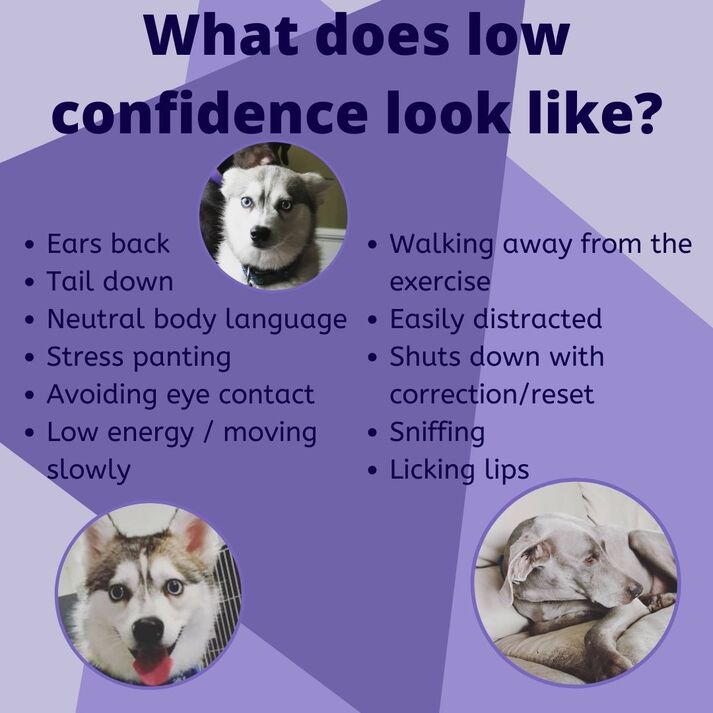
Recognizing signs of improved confidence in your dog is both rewarding and essential. One clear sign is a relaxed body posture. Confident dogs hold their tails and heads high. They move with a sense of purpose. You’ll notice they appear calm and composed in various situations.
Another indicator is increased social interaction. Confident dogs are more willing to engage with people and other animals. They approach new friends with curiosity rather than fear. This social behavior shows they feel secure. Watch for a wagging tail and friendly demeanor.
Less reactive behavior is also a positive sign. Confident dogs react less to loud noises or sudden movements. They may glance around, but they won’t panic. This reduced reactivity indicates they trust their environment. It highlights their growing self-assurance.
Playfulness can also increase with confidence. A dog that engages in play regularly is likely feeling good. They are more willing to explore toys and games. Playful behavior shows they are comfortable and happy. It’s a healthy sign of emotional well-being.
- Relaxed body posture
- Increased social interaction
- Less reactive behavior
- Increased playfulness
Observing your dog’s willingness to explore new environments is valuable. Confident dogs show curiosity, sniffing around new places. They are open to investigating their surroundings. This shows they feel secure enough to venture into unknown territory. Such behavior is a strong indicator of building confidence.
Frequently Asked Questions
Boosting your dog’s confidence is crucial for their happiness and well-being. Below are some common questions and detailed answers related to building confidence in dogs.
1. Why is early socialization important for puppies?
Early socialization helps puppies get used to different people, sounds, and environments. It builds a strong foundation for their confidence and behavior as adult dogs. Puppies that don’t get socialized early can develop fear and anxiety, leading to behavioral problems.
By exposing puppies to various positive experiences, they learn that the world is safe. This practice starts at a young age and reduces the chances of developing fear-based behaviors.
2. How can positive reinforcement help my dog?
Positive reinforcement encourages desirable behaviors through rewards like treats, praise, or playtime. This method strengthens the association between good behavior and positive outcomes, motivating your dog to repeat the behavior.
Using positive reinforcement consistently helps your dog understand what is expected of them. It also makes training a fun and rewarding experience for both you and your pet.
3. What should I do if my dog is afraid of loud noises?
If your dog is afraid of loud noises, like thunderstorms or fireworks, start by creating a safe space for them. This could be a quiet room with their favorite toys and blankets. Gradually expose them to recorded sounds at a low volume, increasing the volume slowly over time.
Use positive reinforcement during this exposure to create a positive association with the noise. Calming products, like anxiety wraps or pheromone diffusers, can also help reduce their anxiety.
4. Can a healthy diet improve my dog’s confidence?
A healthy diet supports overall well-being, including mental health, which can affect your dog’s confidence. Nutrient-rich foods can boost energy levels, improve mood, and support brain function, all of which contribute to a confident demeanor.
Ensuring your dog receives balanced nutrition helps minimize stress and anxiety. Supplements like omega-3 fatty acids can further support cognitive health and emotional stability.
5. Why is consistency important in training sessions?
Consistency in training helps your dog understand expectations and learn commands more effectively. Regular training sessions provide structure and routine, which can make your dog feel secure and confident.
Consistent training also reinforces learned behaviors, making them more reliable. This reliability translates to a well-behaved and self-assured dog in various situations.
How To Build Confidence \u0026 Reduce Anxiety In Fearful and Anxious Dogs
Conclusion
Building your dog’s confidence is a gradual but rewarding process. Through early socialization, positive reinforcement, and consistent training, you lay the foundation for a resilient and well-adjusted pet. Each step is essential in shaping their behavior and ensuring their well-being.
Remember, a confident dog not only leads a happier life but also strengthens the bond with their owner. By investing time and effort in these methods, you contribute to your dog’s overall mental and emotional health, creating a positive environment for them to thrive.