4 Common Dog Behaviors You Can Avoid with Early Training
4 Common Dog Behaviors You Can Avoid with Early Training. It’s remarkable to learn that puppies, much like human children, display behaviors and learning patterns that can shape their entire lives. Consider the bewildering statistic: early trained pups are 80% less likely to develop behavioral problems later on. Early intervention is not just a choice but a pivotal necessity.
Historically, dog training often commenced after problem behaviors surfaced, which stunted the effectiveness of this crucial practice. Today, experts advocate for early behavioral training, grounded in research and real-world results. Indeed, laying a strong foundation through early training can drastically reduce unwanted behaviors, ensuring a well-adjusted and happy adult dog.
Training your pup early can prevent common issues such as excessive barking, chewing, and aggression. Early socialization and teaching basic commands ensure a well-adjusted adult dog. Consistency, patience, and positive reinforcement are key to effective training. This approach creates a harmonious environment for both the dog and the owner.
Start training your pup early to avoid common issues later
Training a puppy from a young age lays the foundation for a well-behaved adult dog. Puppies, like children, are highly impressionable during their first few months. Teaching basic commands such as sit, stay, and come at this stage ensures that these behaviors become second nature.
Behavioral issues like excessive barking, chewing, and anxiety can be significantly reduced with early training. Puppies who learn appropriate behaviors are less likely to develop bad habits. This approach minimizes stress for both the dog and the owner, fostering a harmonious environment.
Early socialization is crucial, allowing puppies to interact with other dogs and people. This exposure helps prevent fear and aggression later in life. A well-socialized pup is more likely to grow into a friendly and confident adult dog, ready to face various social situations.
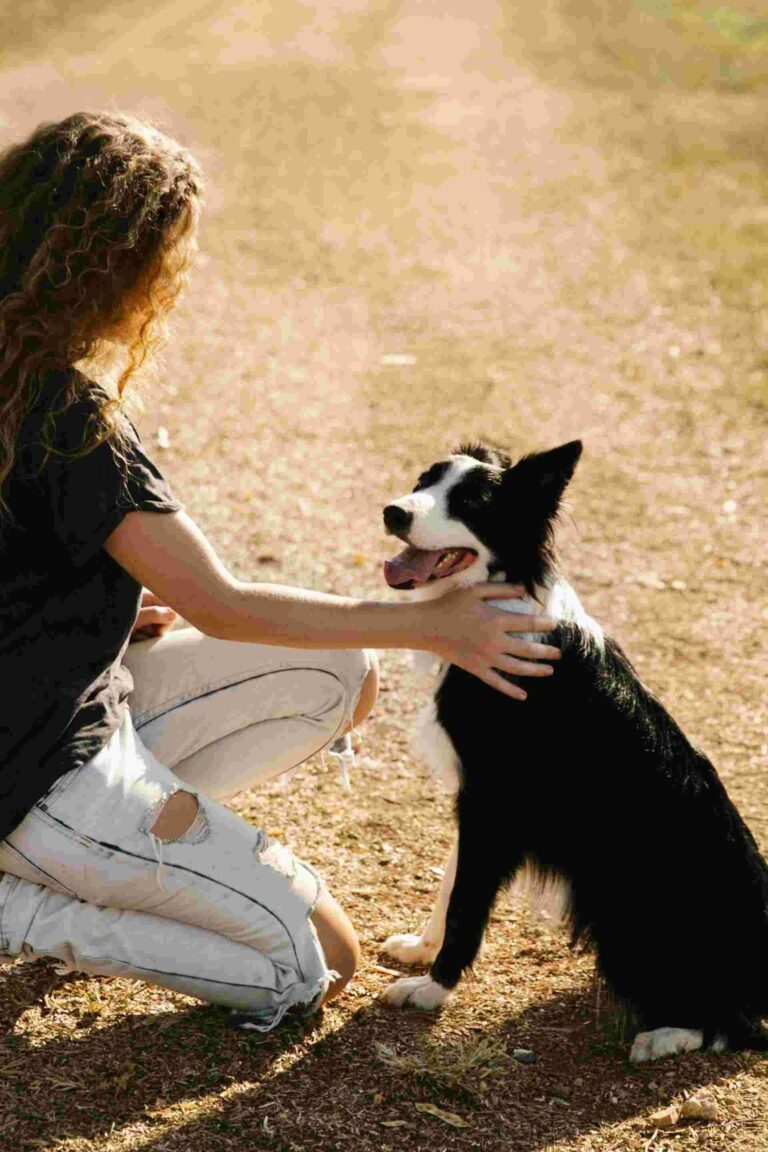
Consistency and patience are key components of effective puppy training says Off Leash K9 Training 30 A. Using positive reinforcement techniques, such as treats and praise, encourages desired behaviors. Keeping training sessions short but frequent makes it easier for the pup to absorb lessons and maintain focus.
Benefits of early training for puppies
Training puppies early offers numerous benefits for their development and behavior. Puppies trained from a young age tend to have a better understanding of commands. This foundation helps in establishing routine and discipline, which are vital for a well-adjusted pet.
One significant advantage of early training is the reduction in behavioral problems. Common issues like chewing, barking, and aggression are less likely to develop. Skills learned early stay with them, making them more manageable and pleasant companions.
Socialization is another key benefit of early puppy training. When puppies are exposed to various environments, people, and other animals, they learn to behave appropriately in different situations. This helps them become more adaptable and less stressed in new environments.
Early training also strengthens the bond between the puppy and its owner. Positive interactions through training sessions build trust and affection. A strong bond ensures a happy, loyal, and well-behaved dog, boosting overall joy for both the puppy and the owner.
Common behavioral issues prevented by early training
Early training can significantly reduce undesirable behaviors in puppies. One common issue is excessive barking, which can be both annoying and stressful. Teaching a pup when barking is acceptable curtails this problem early on.
Another behavior often seen is destructive chewing. Puppies naturally chew to explore their world, but without guidance, this can lead to ruined furniture and belongings. Early training can redirect this activity to appropriate chew toys, saving your home from damage.
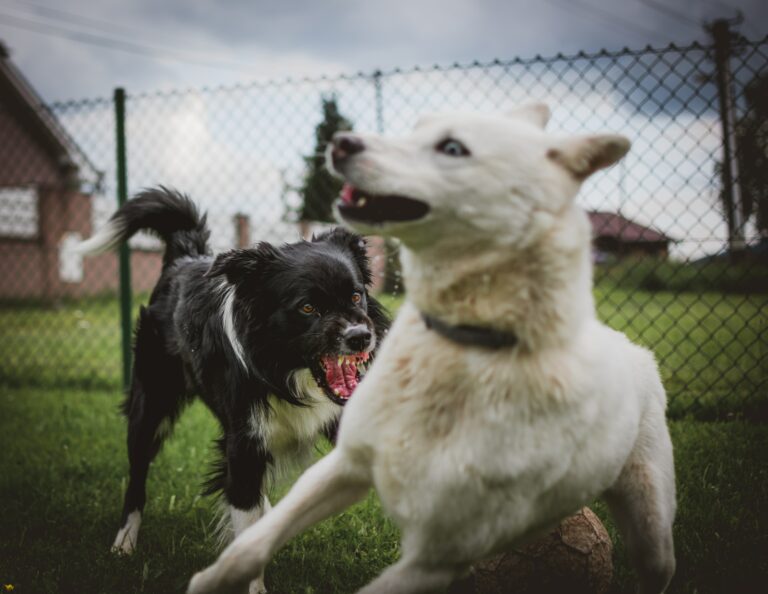
Aggression towards other animals and people is a serious concern that early training can help mitigate. Proper socialization and exposure teach pups that aggression is not an acceptable response. This nurturing process results in a more relaxed and friendly dog.
Separation anxiety is a common issue that causes distress for both dog and owner. Training puppies to feel comfortable being alone for short periods helps reduce anxiety when left alone. Incorporating games and activities during these times can make the transition smoother.
Essential basic commands and skills for young dogs
Teaching essential commands to young dogs lays the groundwork for good behavior and safety.
- Basic commands like sit, stay, and come help manage a dog’s actions in various situations.
- For example, “sit” is useful for moments when you need your dog to stay calm and not jump on guests.
Consistent practice ensures that these commands become second nature to them.
Socialization skills are crucial for young dogs to interact properly with other animals and people. Exposing pups to different environments and situations prevents fear and aggression. Enabling positive social experiences helps them grow into friendly and confident adult dogs.
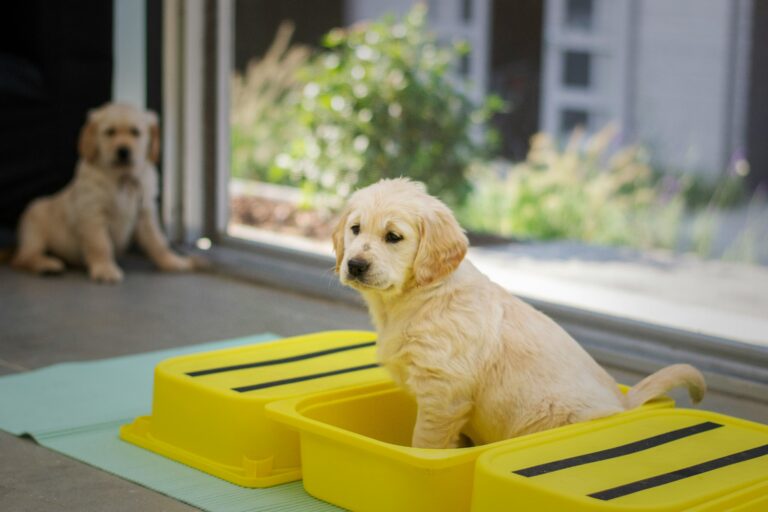
Crate training is another essential skill for young dogs. A crate becomes a safe space for the pup, making travel and periods of being alone more manageable. Teaching them to be comfortable in their crate can reduce anxiety and problematic behaviors.
Leash training helps pups understand how to walk properly without pulling or dragging. This skill is important for safe outdoor adventures and walks. Using positive reinforcement when the pup walks calmly on the leash encourages this behavior consistently.
Teaching young dogs to wait for food is both useful and beneficial. Without proper training, pups may develop behaviors like grabbing food from tables or counters. Incorporating commands like “wait” and “leave it” during feeding times builds their patience.
Early training to reduce biting or nipping is vital. Puppies often use their mouths to explore, which can lead to nipping and biting. Redirecting this behavior with chew toys and using gentle correction can prevent this habit from continuing into adulthood.
Socialization strategies for pups
Socialization is key for pups to grow into well-rounded adult dogs. Introducing them to different environments early helps them become more adaptable. Taking them for walks in busy areas, parks, and open spaces can be very beneficial.
Meeting new people is essential, so regular interaction with various individuals is important. Start slow to prevent overwhelming the puppy. Gradually increase the diversity of interactions to include children, adults, and seniors.
Introducing pups to other animals helps reduce fear and aggression.
- Arrange playdates with other dogs to foster friendly relations.
- Expose them to cats and small pets under supervision to teach gentle behavior.
Positive experiences with animals lead to better social skills.
Exposure to different sounds and sights can help desensitize a pup to common life stimuli.
- Playing recordings of thunderstorms, fireworks, or city noises helps.
- Introduce household items like vacuum cleaners, alarms, and TV sounds.
This method reduces fear of unfamiliar noises.
Training classes offer a structured environment for socialization. Classes often include group activities that promote interaction among pups. The consistent practice of social skills in these settings is beneficial.
Encouraging calm behavior when meeting strangers is crucial. Teach your pup commands like “sit” and “stay” before greeting new people. Using treats and positive reinforcement when they behave well reinforces these good habits.
Tips for effective early puppy training routines
Consistency is vital in early puppy training routines. Establish a regular schedule for training sessions to create a stable environment. This helps the puppy learn and retain commands more effectively.
Positive reinforcement is crucial for encouraging good behavior. Using treats, praise, and affection motivates the pup to repeat desired actions. Avoid harsh punishment to prevent fear and anxiety.
Keep training sessions short but frequent. Puppies have limited attention spans, so aim for 5-10 minute sessions. Multiple sessions throughout the day maintain engagement without overwhelming the pup.
Incorporate fun activities into training to maintain interest. Utilize games such as hide-and-seek or fetch while teaching commands. This keeps the pup engaged and makes learning enjoyable.
Start with basic commands before moving to advanced training.
- Commands like sit, stay, and come should be prioritized.
- Gradually introduce more complex commands as the puppy masters the basics.
This ensures a solid foundation for future learning.
Patience and persistence are key to successful puppy training. Puppies may not get everything right the first time, so remain calm and keep practicing. Regular progress will lead to a well-trained, happy dog.
Frequently Asked Questions
Early puppy training is essential to establish a strong foundation for behavior. Here are some questions and answers to help you understand the basics of early training for pups.
1. What is the best age to start training a puppy?
The best age to start training a puppy is around 7 to 8 weeks. At this age, pups are more receptive to learning new behaviors, making it an ideal time to start teaching basic commands.
Starting at this young age allows the pup to develop good habits early. This early foundation leads to a well-behaved adult dog, saving time and effort in correcting issues later on.
2. How can I make training sessions effective for my puppy?
To make training sessions effective, keep them short, about 5-10 minutes, as puppies have short attention spans. Use positive reinforcement techniques like treats and praise to encourage desired behaviors.
Consistency is crucial, so practice commands regularly to help the puppy remember them. Also, ensure that training sessions are fun and engaging to keep the pup interested and motivated.
3. Why is socialization important for puppies?
Socialization helps puppies become comfortable with various environments, people, and animals. It reduces the likelihood of fear and aggression, promoting a friendly and confident adult dog.
Early exposure to different situations helps pups learn appropriate behaviors. This social comfort level makes them more adaptable and less anxious in unfamiliar settings.
4. What commands should I teach my puppy first?
Start with basic commands like sit, stay, come, and down. These commands create a foundation for more advanced training and help manage the dog’s behavior in everyday situations.
Teaching these commands ensures that the puppy learns to respond to your instructions. This foundation builds trust and establishes you as the leader, making future training easier.
5. Can early training help with housebreaking a puppy?
Yes, early training significantly helps with housebreaking a puppy. Establishing a routine and using positive reinforcement makes it easier for the puppy to understand where and when to relieve itself.
Consistent praise for appropriate behavior encourages the pup to follow the routine. This approach reduces accidents in the house, making the housebreaking process smoother and quicker.
Conclusion
Starting to train your pup early is essential to avoid common behavioral issues later in life. The benefits of early training include better socialization, fewer bad habits, and a strong bond between pet and owner. Ultimately, early training leads to a happier, healthier dog.
Consistency, patience, and positive reinforcement are key components of effective training routines. By following these practices, you can ensure your puppy grows into a well-behaved adult dog. Early intervention truly makes a significant impact on your pet’s future behavior.