

Key Takeaways
- Early, consistent training starting around 8 weeks is the foundation for raising a calm, well-mannered adult dog.
- Puppies can begin learning sit, down, come, and leash manners immediately, but true reliability takes months of repetition and real-world practice.
- Structured socialization before 16 weeks, combined with solid crate and potty training routines, prevents many behavior issues from developing later.
- Effective puppy training helps owners build better focus, calmer behavior, and stronger obedience for everyday life around neighborhoods, sidewalks, and public distractions.
- If you feel overwhelmed, consider finding the right puppy training program or board and train option for your situation.
Introduction: Your New Puppy and Everyday Life
Picture this: your new puppy lunges toward every person on a crowded street, has an accident the moment you get home from a walk, or jumps all over guests. These moments are frustrating, but they’re also completely normal for young puppies without structure.
Puppyhood, roughly from birth to 6-8 months, is when habits form fastest. Both the good ones and the bad ones. This puppy training 101 guide is about building the structure your pup needs: potty training, crate training, basic obedience commands, and calm behavior around distractions like traffic, bikes, and outdoor patios.
Keep reading for a step-by-step puppy training guide to help build better habits early and create a stronger foundation for obedience.
Why Puppy Problems Happen (Even When You’re Trying Your Best)
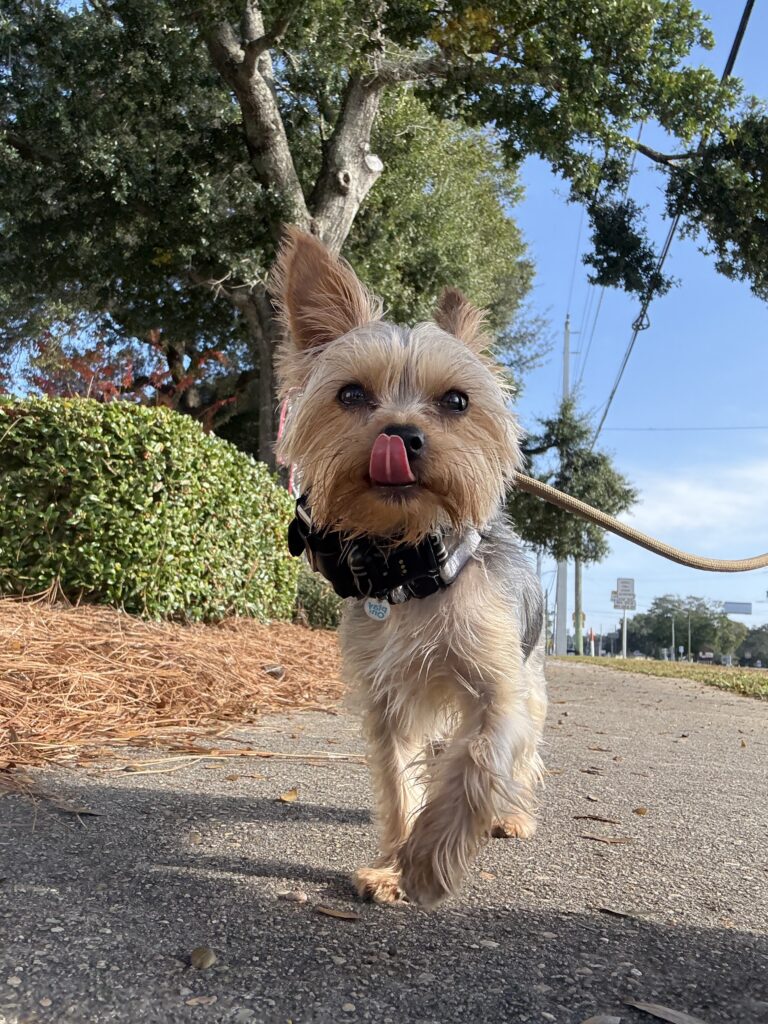
Most puppy issues like biting, jumping, accidents, and pulling are not bad behavior. They’re normal puppy behavior that becomes problematic when there’s no consistent structure in place.
Here’s the thing: your puppy learns every minute from your reactions. Attention, scolding, and even eye contact can accidentally reward behaviors like barking and jumping. When a puppy jumps and you push them away while saying their name, they often interpret that as engagement, not correction.
Lack of clear rules during the first 3-4 months leads to confusion. Some days the puppy is allowed on the couch; other days they’re scolded for it. This inconsistency teaches the puppy that rules are flexible.
In a busy home, the problem compounds. Multiple family members and visitors can all give different cues. One person rewards jumping with petting while another scolds it. This mixed communication slows learning and often makes behaviors worse.
Without early socialization before approximately 16 weeks to sounds, surfaces, people, and other animals, puppies are more likely to become anxious, reactive, or fearful as adolescents. The critical socialization window closes quickly, and missed opportunities during this period can create lifelong challenges.
How Professional Puppy Training Helps
Professional training is a shortcut to clarity. Your puppy learns consistent rules, and you learn how to communicate them effectively. It’s not about someone else training your dog and handing them back. It’s about teaching you both a common language.
Structured puppy training helps build a strong foundation in obedience, housebreaking, crate training, socialization, and daily structure so your puppy can learn how to behave more calmly and consistently. A puppy that knows “place” can settle calmly while you eat dinner. A puppy with a solid recall can enjoy more freedom safely.
Effective training focuses on calm behavior in real-world settings: sidewalks, neighborhoods, outdoor patios, and busier public spaces.
Typical training options include:
| Program Type | Best For | Key Features |
| Private Lessons | Owners wanting hands-on coaching | One-on-one sessions, practice at home |
| 2-Week Board and Train | Owners who want immersive obedience work | 14-day program focused on advanced loose-leash heel obedience and behavior modification |
| 3-Week Board and Train | Owners who want more advanced obedience goals | 21-day program focused on advanced off-leash obedience and behavior modification |
The outcomes are practical: fewer accidents, calmer crate time, less biting and jumping, and a pup that can settle when you’re relaxing after a long day.
Practical Puppy Training Tips You Can Start Using Today
These are simple daily habits you can start right away, even before working with a trainer, to help your puppy build better routines and clearer expectations.
Create a predictable routine:
- Same wake-up time each day
- Potty breaks immediately after sleep, play, and meals
- Consistent bedtime to reduce overnight accidents
Set up the crate correctly:
- Size it so your pup can stand, turn around, and lie down, but no larger
- Place it in a quiet but central part of your home
- Never use the crate for punishment
Start teaching sit and come:
- Say the command once (using the same word each time)
- Help the puppy into the sitting position if needed
- Mark the success with a release word like “yes”
- Reward promptly with puppy treats
Keep training sessions short:
- Aim for 3-5 minute sessions, a few times per day
- End on a positive note so your pup is eager for the next session
- Watch your puppy’s body language for signs of fatigue or frustration
Begin leash training indoors first:
- Clip the leash and let your pup drag it around
- Reward them for walking calmly by your side
- Gradually increase distractions before going outside
Build calm confidence with sounds:
- Gently expose your puppy to everyday noises: vacuum, dishwasher, outdoor traffic
- Pair each sound with a treat so the puppy associates it with good things
- Start at low volume and gradually increase as the puppy stays relaxed
Starting indoors, then moving to the yard, driveway, and busier public areas helps your puppy learn how to focus before tackling the real-world distractions that are part of daily life.
Why Puppy Training 101 Matters
Training isn’t just about having a well-behaved dog at home. It’s about having a dog that can safely enjoy everyday life: walking in neighborhoods, visiting dog-friendly patios, or relaxing while guests visit.
There are constant distractions that can overwhelm an untrained puppy:
- Bicycles and golf carts passing quickly
- Kids on scooters
- Wildlife and unfamiliar smells
- Other dogs on trails and sidewalks
- Crowds and busy public spaces
Reliable obedience like coming when called and not bolting through doors becomes a safety issue near roads, water, and busy public areas. A puppy that responds to “come” even when distracted is a puppy you can trust with more freedom.
Many families host guests throughout the year. A pup that can calmly greet visitors and lie on a “place” bed instead of jumping makes gatherings far less stressful for everyone.
Training regularly in real-life setups—leash manners near busier areas, teaching puppies to relax instead of bark at every passerby, and building impulse control around distractions—helps puppies thrive in daily life.
When It’s Time To Get Professional Help
It’s completely normal to hit a wall with DIY training, especially as puppies reach 4-6 months and begin testing boundaries more confidently.
Common signs it’s time to call a trainer:
- Frequent accidents despite a consistent routine
- Uncontrollable leash pulling that makes walks miserable
- Hard puppy biting that leaves marks
- Nonstop jumping that doesn’t improve with redirection
- Increasing reactivity toward other dogs or people
Early intervention is easier than waiting. Every week that passes, behaviors get more rehearsed. The puppy starts to practice the wrong habits, and as they get physically stronger, those habits become harder to correct.
Which program fits:
- Private lessons work well for young puppies with basic issues where the owner wants heavy involvement and coaching.
- 2-week or 3-week board and train programs suit very busy owners or those dealing with more challenging behavior who need a stronger foundation before transitioning the dog back home.
Aggression or serious reactivity is not a “phase” to wait out. Specialized training options provide the support needed.
Frequently Asked Questions About Puppy Training 101
When should I start training my puppy?
Practical training starts the day your puppy comes home, usually around 8 weeks of age. Focus first on potty training, crate comfort, and basic manners like not biting hands.
Formal puppy training programs typically begin as vaccines allow safe social exposure, often between 10-16 weeks. Early structure actually prevents many behavior problems from developing in the first place.
How much time should I spend training my puppy each day?
Break training into several 3-5 minute sessions spread throughout the day instead of one long session that overwhelms your pup. Most puppies have short attention spans, and brief, focused practice produces better results.
Everyday moments count as training too: calmly waiting at doors, sitting for the leash to be clipped, or settling on a bed while the family eats dinner. Attach training to existing routines like morning coffee, after-work walks, and evening wind-down time.
What if my puppy seems too distracted outside to learn?
Start all new skills indoors in a quiet room. Once your puppy responds reliably there, move to the yard, then the driveway, and finally busier sidewalks or areas. This step forward progression respects how puppies process new environments.
Use higher-value rewards outdoors. Small pieces of soft puppy treats compete better with smells, people, and sounds than dry kibble. If your puppy shuts down or gets wild outside despite these steps, professional trainers can help design a progression that fits your specific puppy’s temperament.
Do I still need training if my puppy seems naturally calm?
Even calm puppies go through developmental stages, including adolescence around 6-12 months, when testing boundaries becomes common. The sweet, compliant puppy at 10 weeks often becomes more independent and challenging by 6 months.
Training isn’t only for “problem” puppies. It’s how you build reliable obedience so that calm behavior holds up around guests, at rentals, and in busier settings.
How do I know which training program is right for my puppy?
Younger puppies with basic issues often do well in private lessons where the owner wants heavy involvement and hands-on coaching throughout the process.
Very busy owners, or those dealing with more challenging behavior like reactivity or severe impulse control issues, may prefer a 2-week or 3-week board and train, which provide a stronger foundation before transitioning back home.
Consider your puppy’s age, current behavior, and how you plan to include your dog in everyday life when choosing a program.
Conclusion: Give Your Puppy the Right Start
Puppy training 101 comes down to clear routines, positive reinforcement, and early structure so your dog can enjoy life safely and calmly with you. The first months matter most, and the habits you build now shape the adult dog you’ll have for years to come.
With consistent work, most puppies can learn strong potty habits, crate manners, and core obedience during their first 6 months. You don’t have to figure it out alone, and waiting often makes things harder.
Whether you need a few private lessons to get on track or a full board and train reset, professional help is available to support your journey.
Reach out for a consultation to find the best training path for your puppy and your lifestyle. Your future self, and your well-behaved dog, will thank you.