
4 Ways for Children to be Safe Around Dogs. One might be surprised to learn that children are the most frequent victims of dog bites, with 77% of bite victims being family members or friends of the dog owner. This statistic emphasizes the importance of managing dogs around children safely. Educating both children and dog owners on proper interaction is crucial for preventing these incidents.
Historically, humans have coexisted with dogs for thousands of years, yet managing their interaction with children remains a critical concern. Studies have shown that proper training and supervision can reduce the risk of injury significantly. Teaching children how to approach and handle dogs, while ensuring dogs receive adequate socialization, forms the foundation of safe interaction.
Managing dogs around children safely involves constant supervision, teaching children how to interact respectfully with dogs, and recognizing canine stress signals. Ensure the dog is well-trained and comfortable in various environments. Use barriers when necessary and provide a safe space for the dog to retreat if overwhelmed.
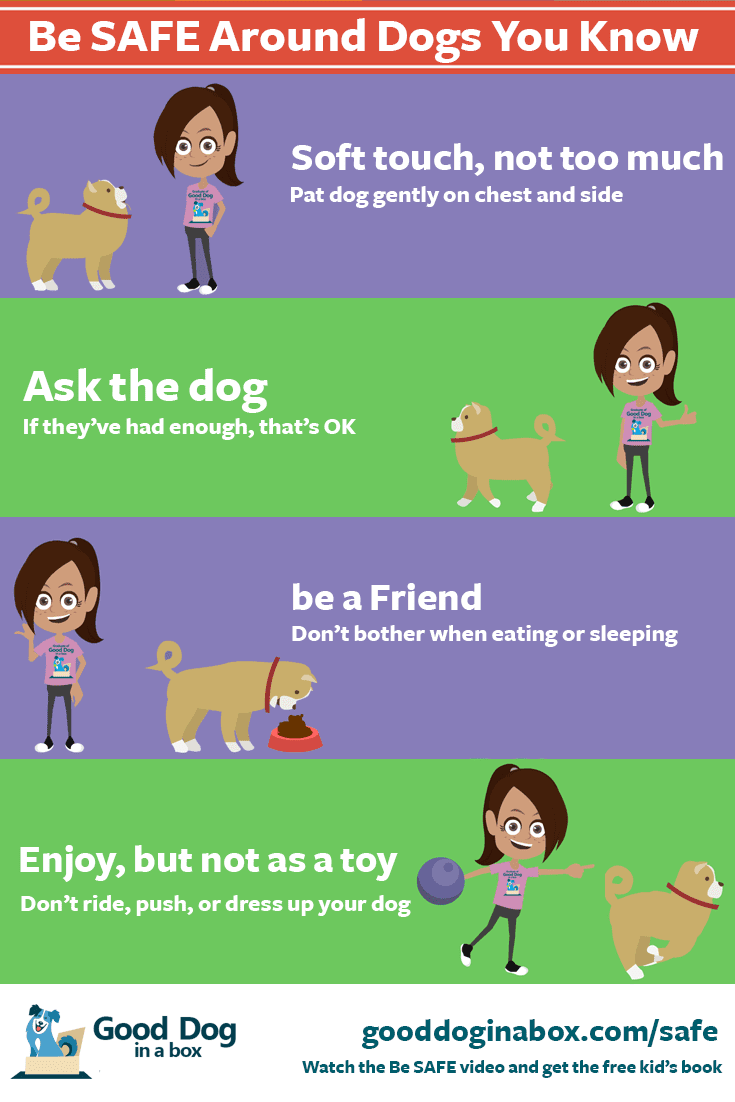
Managing dogs around children safely
Ensuring the safety of children around dogs is essential for preventing accidents. Proper supervision is key in managing interactions. Adults should always be present when dogs and children are together. This reduces the chance of unexpected incidents. Keeping an eye on both parties helps in correcting any rough behavior.
Understanding common risks can greatly enhance safety measures. Children often do not realize how their actions may disturb a dog. They may pull on tails or ears, which can cause discomfort. Educating children on respectful behavior is crucial. Likewise, training dogs to tolerate gentle touch is important.
Effective supervision involves more than just watching; it requires knowing behavior cues. Dogs exhibit signs of stress such as yawning or licking their lips. Recognizing these signals can prevent potential problems. A calm dog is less likely to act out. Quick intervention can solve minor issues before they escalate.
Incorporating training and education provides a balanced approach. Setting rules for both children and dogs is beneficial. Teaching children to ask before petting dogs promotes safe interactions. Using positive reinforcement helps dogs behave appropriately. Such balanced methods foster a safer environment for everyone involved.
Common risks and misconceptions
Many people believe that a family dog will never bite a child. However, dogs can react unpredictably when frightened or provoked. Parents may not be aware of how even a gentle dog can feel threatened. Misunderstanding these risks often leads to accidents. Educating families on potential dangers is crucial.
Another common misconception is that only certain breeds are dangerous. In reality, any dog can bite under the right conditions. Breed does not determine behavior alone. Factors such as training and environment play significant roles. Knowing this can help prevent unfair stigma against certain breeds.
Overconfidence in a dog’s training can also be risky. Even well-trained dogs can have moments of stress or irritation. This can happen if they are sick, in pain, or simply overwhelmed. Supervising interactions closely is still very important. No amount of training completely eliminates risk.
Finally, some believe that young children know how to act around dogs instinctively. This is far from the truth. Children need explicit instructions on how to approach and handle pets. Without guidance, they can easily make a dog uncomfortable. Providing clear rules keeps everyone safe.
Essential supervision strategies
Off Leash K9 Training 30 A states, effective supervision involves more than just watching; it’s about active participation. Adults should always be within reach when dogs and children are together. This way, they can intervene quickly if needed. Setting clear rules for both can prevent misunderstandings. It creates a safer environment.
Using physical barriers is a practical strategy. Baby gates, playpens, and closed doors can restrict a dog’s movement. This keeps dogs from accessing certain areas unsupervised. It’s useful for managing space and minimizing risks. Accessible barriers make a big difference in safety.
Another important strategy is understanding dog body language. Recognizing signs of discomfort or stress can help prevent incidents. For example, if a dog is yawning or avoiding eye contact, they might be anxious. By observing these cues, intervention can happen sooner. This keeps both the dog and child safe.
Scheduling regular breaks for the dog can also help. Dogs, like people, need downtime to relax. Overstimulated dogs are more likely to react negatively. Ensuring they have a quiet space to retreat reduces stress. This simple step supports a happier and safer household.
Teaching children appropriate dog interaction
Educating children on how to interact with dogs is crucial for safety. Start by instructing them to ask for permission before petting a dog. This simple act teaches respect for the dog and its owner. It also ensures the dog is comfortable with the idea. Asking first can prevent surprise and anxiety for the dog.
It’s important to teach kids the right way to approach a dog. Children should extend their hands slowly and not make direct eye contact. Moving slowly allows the dog to feel less threatened. Instead of petting the dog’s head, they should aim for the back or side. This can reduce the chance of startling the dog.
Explain the significance of recognizing a dog’s body language to children. If a dog is showing teeth, growling, or backing away, it doesn’t want to be approached. Helping children understand these signals is key. Knowledge of these signs can avoid harmful situations. This understanding empowers kids to make safe choices.
Teaching children not to disturb a dog that is eating or sleeping is vital. Dogs can become defensive and may react aggressively in these situations. Instead, kids should let them be and give space. Respecting a dog’s personal time keeps everyone safer. It’s a fundamental rule for peaceful coexistence.
Using role-playing games can make learning fun. Children can practice scenarios with stuffed animals, learning correct and incorrect behavior. This engaging method reinforces lessons effectively. Kids more readily remember what they practiced. It’s a playful yet educational approach.
Finally, always supervise initial interactions closely. Even well-behaved children and dogs need monitoring at first. Over time, as both become comfortable, supervision can lessen. Meanwhile, consistent teaching and reinforcement will lead to safe and happy experiences. Remember, patience and consistent guidance are key.
Recognizing canine stress signals
Understanding canine stress signals is crucial for preventing incidents. Dogs have subtle ways of showing discomfort. Signs include yawning, lip licking, and avoiding eye contact. Recognizing these early indicators can prevent escalation. This knowledge keeps both the dog and people safe.
Panting and trembling are also signs of stress in dogs. Panting may seem normal, especially on hot days, but constant panting indoors signals anxiety. Trembling shows fear or agitation. These behaviors should prompt immediate attention. It’s a dog’s way of asking for help.
Another key sign to watch for is excessive shedding. When dogs are stressed, they might shed more than usual. This includes fur loss outside of normal shedding seasons. If you notice this, it may be time to address the dog’s environment. Reducing stressors can help in these cases.
Eye changes, such as dilated pupils or showing the whites of their eyes, are important stress indicators. Known as “whale eye,” this can mean the dog feels threatened. Stiff body posture also reveals discomfort. These physical changes are often easy to spot. Immediate calm actions can defuse the situation.
Table showing common stress signals and their meanings: Stress Signal Meaning Yawning Tired or anxious Lip Licking Nervousness Panting Heat or anxiety Whale Eye Feeling threatened
When dogs show these signs, creating a calm environment helps. This may include reducing noise and giving the dog space. Sometimes a short walk or gentle petting can alleviate stress. It’s important to react appropriately. Understanding and responding to these cues strengthen the bond with your dog.
The importance of socialization for both dogs and children
Socialization is key for both dogs and children to ensure harmonious relationships. Proper socialization helps dogs become well-adjusted, confident pets. It involves exposing them to various environments, people, and other animals. Early and frequent socialization teaches dogs how to behave correctly. This reduces the risk of anxiety and aggression.
Children benefit from socializing with dogs, too. They learn empathy, responsibility, and respect for living creatures. Interaction with dogs can improve children’s social skills and boost their confidence. It also helps them understand boundaries. Such experiences are crucial during their formative years.
Introducing dogs to new experiences should be gradual. Rushing can cause fear or overwhelm the dog. Training sessions should be short and positive, reinforcing good behaviors. Rewarding dogs with treats or praise encourages them to associate new experiences with positive outcomes. This method is effective and humane.
Organized socialization classes can be helpful. These classes provide controlled environments for dogs to meet other dogs and people. They offer a safe space for learning appropriate interaction. Both dogs and children can attend these classes. Professionals can guide them through the process.
Consistency is essential in socialization efforts. Daily practice is better than occasional exposure. Regular socialization helps reinforce learned behaviors. This steady approach ensures dogs remain comfortable in various situations. It builds their confidence over time.
List of socialization activities for dogs:
- Playdates with other dogs
- Walks in different environments
- Visits to pet-friendly stores
- Car rides
- Meeting new people in controlled settings
Training techniques to encourage safe behavior
Training dogs to exhibit safe behavior around children involves a mix of techniques. One effective method is positive reinforcement. This approach rewards desired behaviors with treats, praise, or play. It encourages dogs to repeat actions that gain positive outcomes. Over time, this solidifies good habits.
Basic commands like “sit,” “stay,” and “leave it” are essential. These commands help manage a dog’s behavior in various situations. They provide structure and make it easier for dogs to understand expectations. Consistent practice of these commands is necessary. Teaching them in different environments ensures reliability.
List of basic commands to start with:
- Sit
- Stay
- Leave it
- Come
- Down
Another crucial technique is desensitization. This gradually exposes the dog to situations that typically cause anxiety or excitement. For instance, if a dog gets nervous around children running, expose them slowly while keeping sessions short and positive. This helps build their tolerance over time without overwhelming them.
Redirecting attention is useful during training. When a dog exhibits unwanted behavior, redirecting their focus can be effective. Using toys or engaging activities shifts their attention away from the trigger. It teaches them how to behave differently in those situations.
Consistency and patience are key in all training efforts. Regular practice, along with clear and steady rules, helps dogs learn faster and more effectively. Everyone involved with the dog should use the same commands and rewards system to avoid confusion. These methods promote enduring safe interactions between dogs and children.
Safety tips for different environments: home, parks, and public spaces
The home environment should be a safe haven for both dogs and children. Start by creating specific zones for the dog and the child. This helps in managing their interactions and giving each their own space. Using baby gates or indoor pens can help separate them when necessary. Supervision remains key in this environment.
When visiting parks, there are different challenges to consider. Always keep the dog on a leash unless in designated off-leash areas. This allows better control over the dog’s behavior. Be mindful of other park visitors, including other dogs and children. Observe your dog’s body language for stress signals.
In public spaces, ensuring your dog’s comfort and safety is crucial. Crowded areas can make dogs anxious, leading to unsafe behavior. Keep walks and interactions short in noisy or busy places. Gradually expose your dog to these environments to build their confidence. Always have water and comfort items, like toys, on hand.
List of safety items to bring when going out:
- Leash and harness
- Portable water bowl
- Dog treats
- Waste bags
- Familiar toys
In all environments, teaching your children how to interact appropriately remains essential. Show them how to approach dogs carefully and respectfully. They should avoid running towards or startling dogs. Reinforce these behaviors consistently. Proper education goes a long way in maintaining safety.
Following these tips ensures a safer experience for everyone. Dogs that are well-managed and children who understand how to behave around them create a peaceful coexistence. It’s all about creating a balanced and respectful relationship. Consistency, patience, and understanding help achieve this.
Responding to incidents and preventing future issues
When an incident involving a dog and a child occurs, it’s important to remain calm. Quickly separating the two can prevent the situation from escalating further. Assess any injuries and provide first aid if necessary. Seeking professional medical help is crucial if the injuries are severe. Documenting the incident helps in understanding what went wrong.
After addressing immediate concerns, consider why the incident happened. Dogs may react due to fear, pain, or surprise. Analyzing these factors can help prevent future issues. Consulting a professional dog trainer or a veterinarian can provide insights. They can guide you on modifying behavior patterns that led to the incident.
Implementing preventive measures is essential. Reinforcing positive behaviors through consistent training reduces the likelihood of incidents. Establish clear rules for both children and dogs during interactions. This might include guidelines on approaching dogs, handling them, and recognizing stress signals. Clear communication helps maintain safety.
Sometimes, creating structured activities can reduce incident occurrences. These activities can engage both children and dogs constructively. Examples include supervised play sessions, obedience training, and agility exercises. Organized and engaging routines can foster positive interactions. This builds trust and a strong bond between them.
Continual monitoring and adapting strategies play a crucial role. The home environment, behavioral changes in the dog, and growth in children all require adjustments. Remaining vigilant and proactive ensures ongoing improvement. The goal is to foster a harmonious relationship while minimizing risks.
Table summarizing immediate steps to take after an incident: Action Purpose Separate dog and child Prevent further escalation Assess injuries Identify medical needs Provide first aid Immediate care Seek medical help Professional treatment Document the incident Analyze cause
Frequently Asked Questions
Here are some common questions and answers about managing dogs around children safely. These will help you understand how to create a better environment for both dogs and kids.
1. How can I teach my child to respect our dog?
Teaching your child to respect the dog starts with simple rules. Encourage them to approach the dog calmly and ask before petting. Explain the importance of gentle touches and avoid pulling tails or ears. Consistent guidance helps children understand and practice respectful behavior. Over time, these rules become second nature to them.
Using role-playing games can make these lessons fun and engaging. You can act out different scenarios to teach appropriate reactions. This makes the learning process enjoyable for both you and your child. Reinforcing good behavior with praise or small rewards can also be very effective.
2. What should I do if my dog shows signs of stress around children?
When your dog shows signs of stress, it’s important to act quickly. Remove the dog from the stressful situation and give it a safe space to relax. This could be a quiet room or a designated area in your home. Ensuring your dog feels secure can help reduce anxiety.
It’s also crucial to identify triggers that cause stress. Once you know what upsets your dog, you can work on desensitization techniques. Gradual exposure to these triggers can help your dog become more comfortable over time. Consider professional help if stress signals persist.
3. How do I introduce a new dog to my children?
Introducing a new dog to your children requires careful planning. Start by allowing them to meet in a neutral area, like a park. Keep initial interactions short and positive. Praise both your children and the dog for good behavior. Gradually increase the time they spend together as they become more comfortable.
Supervising their interactions closely during the initial period is vital. Teach your children not to overwhelm the dog with sudden movements or loud noises. Over time, trust and friendship will develop naturally. Patience and consistent positive reinforcement are key.
4. Are there specific breeds that are better with children?
While certain breeds are known for being good with children, individual temperament matters more. Breeds like Golden Retrievers, Beagles, and Labrador Retrievers are often recommended for families. However, training and socialization play significant roles in determining a dog’s behavior.
Each dog is unique, and their background, environment, and training all influence how they interact with children. It’s essential to assess each dog’s personality regardless of breed. Proper training and socialization can make most dogs suitable for family life.
5. What are some essential training commands for dogs in a household with children?
Key commands to teach dogs in a household with children include “sit,” “stay,” and “leave it.” These commands help manage the dog’s behavior around kids. Consistent use of these commands can prevent accidents and improve overall safety.
Training should be a family activity, so children understand the importance of these commands. Everyone in the household should use the same commands to avoid confusion. Positive reinforcement, like treats and praise, will encourage your dog to follow the rules.
Dog Safety for Children | Woodgreen Pets Charity
Conclusion
Managing dogs around children safely is a shared responsibility requiring consistent effort. Through proper training and supervision, both children and dogs can coexist harmoniously. Education plays a key role in nurturing this understanding.
Building a respectful relationship between dogs and children enriches family life. With patience and attention, potential risks can be minimized. The goal is a safe and happy environment for everyone involved.
