
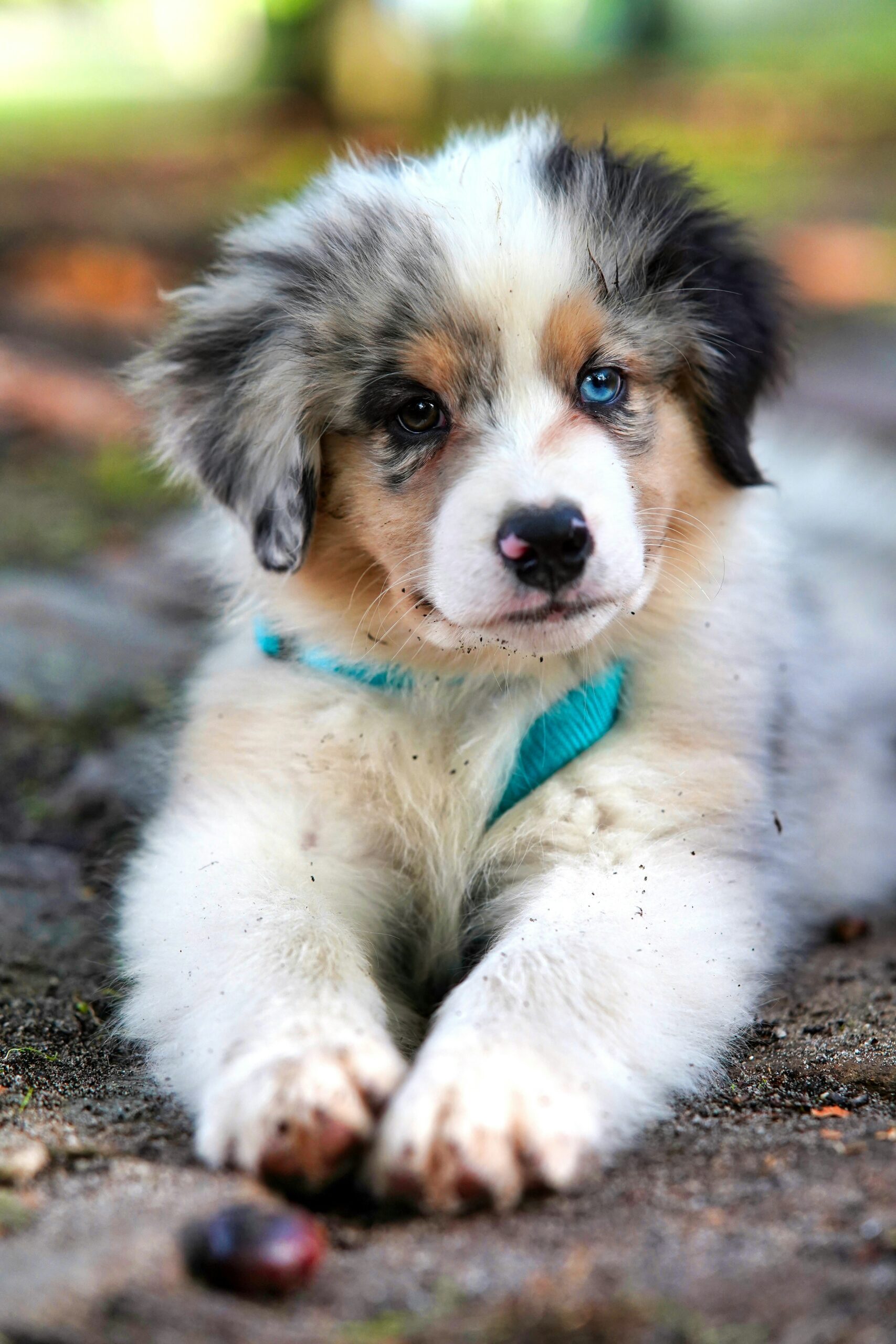
The First 3 Months: Why Puppy Training is Important. Starting training for a puppy at an early age is crucial; did you know puppies are most responsive and adaptable during their first three months? This is when their learning capacity is at its peak, making it the prime time to instill positive behaviors. Delaying this process can lead to ingrained behaviors that are harder to correct later.
Historically, early puppy training has proven to develop better socialized, well-behaved dogs. A well-structured training regimen that includes consistency, patience, and positive reinforcement can lead to remarkable outcomes. Statistics show that puppies trained early are less likely to exhibit aggression or anxiety, ensuring a harmonious pet-owner relationship.
Starting dog training early is crucial for a well-behaved adult dog. Begin with basic commands like sit, stay, and come using positive reinforcement. Introduce socialization by exposing your puppy to different environments, people, and other animals. Consistency and patience are key to successful early training.
Start dog training early, tips and tricks
Starting dog training early is essential for developing a well-behaved and happy pet. Puppies have a short window of opportunity in their first few months to learn quickly and adapt to new environments. This is the prime time to teach basic commands and socialize them with humans and other dogs. Establishing a routine can make the training process smoother. Consistency is key to ensuring your puppy understands and retains what is being taught.
A significant aspect of early training involves teaching your puppy basic commands. Commands such as sit, stay, and come form the foundation of good behavior. These commands can keep your puppy safe and help manage their actions in various situations. Repetition and positive reinforcement are crucial in this stage. Keep training sessions short to match your puppy’s attention span.
Many pet owners face common challenges during early training, such as housebreaking and biting. Off Leash K9 Training 30 A, says “it’s important to be patient and persistent”. To overcome these challenges, provide plenty of opportunities for your puppy to relieve themselves outside. When they succeed, reward them immediately with treats or praise. Address biting by redirecting their attention to toys instead of your hands or furniture.
Using an effective reward system can greatly enhance your training efforts. Positive reinforcement methods, such as treats, praise, and playtime, encourage your puppy to repeat desired behaviors. Avoid punishing your puppy, as it can create fear and anxiety. Instead, focus on rewarding good behavior to build trust and confidence. This approach makes training a positive and enjoyable experience for both you and your pet.
The benefits of early training for puppies
Early training for puppies brings numerous advantages. It lays the groundwork for good behavior, making future training sessions more manageable. Puppies that start learning early are more likely to develop strong bonds with their owners. This foundation can lead to a happy and well-adjusted pet. It also helps to prevent the development of bad habits.
One major benefit of early training is socialization. Puppies exposed to different environments, people, and other animals are less likely to be fearful or aggressive. Socialization helps puppies adapt to various situations, reducing anxiety and stress. A well-socialized puppy is more confident and friendly. This makes outings and interactions more enjoyable for everyone involved.
Training early can also improve a puppy’s mental stimulation. Engaging a puppy in learning activities keeps their mind active and sharp. Boredom can lead to destructive behaviors, but mental challenges can prevent this. Consistent training sessions provide the stimulation puppies need. Additionally, it fosters a love of learning new things.
Finally, early training creates a safer environment for both puppies and their owners. Teaching commands like stay and come can prevent dangerous situations. For example, a puppy that knows to stay won’t run into busy streets. This command can save their life. Training also helps puppies understand boundaries, making them easier to manage and care for overall.
Essential commands every young dog should learn
Teaching young dogs essential commands is crucial for their safety and well-being. One of the first commands to introduce is “sit.” It’s simple and helps establish a foundation for more complex commands. “Sit” can be used in various situations, like before meals or at street crossings. It’s a versatile command that promotes patience and self-control in puppies.
Another important command is “stay.” This command is vital for preventing accidents and ensuring your dog remains in place. It can be lifesaving in dangerous situations. Training your dog to stay also helps during grooming or veterinary visits. Practice “stay” with positive reinforcement to build trust and reliability.
“Come” is an essential recall command. This ensures your dog returns to you when called, even in distracting environments. Consistent training makes this command a powerful safety tool. It can prevent your dog from running into hazardous situations. Always reward your dog when they respond correctly to strengthen the behavior.
Lastly, the command “leave it” teaches impulse control. This command is useful for preventing dogs from picking up harmful objects. It’s also helpful for managing interactions with other animals. Implementing “leave it” can reduce the risk of your pet ingesting something dangerous. Using treats and praise will help reinforce this command quickly.
Common challenges in early training and how to overcome them
One common challenge in early training is housebreaking. Puppies don’t come with an understanding of where they’re allowed to relieve themselves. Using a consistent schedule for feeding and bathroom breaks can help. Take your puppy outside frequently, especially after meals and naps. Reward them immediately when they go to the bathroom in the right place to reinforce good behavior.
Another issue is chewing on inappropriate items. Puppies explore the world with their mouths, leading to chewed shoes and furniture. Providing plenty of chew toys can reduce the likelihood of this behavior. When you catch your puppy chewing something inappropriate, replace it with a toy. Consistently redirecting them can help form positive habits.
Biting is another common problem during early training stages. It often stems from playfulness or teething. To address this, teach your puppy bite inhibition by yelping if they bite too hard and then stopping play. Give them toys to chew on instead. This teaches them to control the force of their bite.
Distractions can make training difficult, as puppies can be easily sidetracked. To combat this, start training in a quiet, familiar setting. Gradually introduce new environments and stimuli. Reward your puppy for focusing on you amidst distractions. This helps build their attention span over time.
Excessive barking can be challenging to manage in young dogs. It’s important to understand what’s causing the barking. Identifying triggers like strangers, other animals, or boredom is crucial. Addressing these triggers and teaching the “quiet” command can reduce unwanted barking. Consistent and calm reinforcement is key to success.
Lastly, some puppies may show resistance to wearing a leash or collar. Introduce these items slowly and make it a positive experience. Let your puppy wear the collar indoors before attaching a leash. Gradually build up to short, enjoyable walks. Treats and praise will help them associate the leash with positive experiences.
Effective reward systems and positive reinforcement methods
Using rewards effectively can significantly enhance dog training. Dogs respond well to positive reinforcement, making it a powerful tool. Immediate rewards help dogs associate the behavior with the reward. This association strengthens desired behaviors. Treats, praise, and playtime work well as rewards.
Treats are one of the most popular reward types. Choose small, tasty treats that your dog finds tempting. It’s important to use them sparingly to avoid overfeeding. Treats should be given immediately after the desired behavior. This reinforces the connection between the action and the reward.
Praise is another powerful reward. Verbal encouragement like “good job” or “well done” can boost a dog’s confidence. The tone of your voice matters. It should be enthusiastic and happy. Combining praise with physical affection, like petting, can be even more effective.
Playtime can also serve as a reward. Engaging your dog in a favorite game after they follow a command is motivating. Activities like fetch or tug-of-war can be excellent rewards. This method is particularly useful for active dogs. It provides physical and mental stimulation.
A consistent reward system is crucial. Dogs need to understand that good behavior always gets rewarded. Inconsistent rewards can confuse them. Stick to a routine to ensure clarity. This consistency helps strengthen the training process.
Avoid punishment-based methods as they can create fear and anxiety. Instead, focus on positive reinforcement. This approach builds trust between you and your dog. It makes training enjoyable and effective. Dogs are more likely to learn and repeat desired behaviors in a positive environment.
Socialization tips for puppies during early training
Socialization is crucial for puppies to develop into well-rounded dogs. Early exposure to different environments, people, and animals can prevent fear and aggression. One effective method is to introduce your puppy to new experiences gradually. Avoid overwhelming them with too many stimuli at once. Instead, let them explore at their own pace.
Meeting new people is essential for socialization. Invite friends over regularly to interact with your puppy. This helps them get accustomed to various human behaviors and appearances. Encourage visitors to offer treats to create positive associations. This makes meeting strangers a pleasant experience for your puppy.
Introducing your puppy to other animals is also important. Arrange playdates with dogs of different ages and sizes. Supervised interactions help puppies learn proper behavior and communication skills. Always monitor these encounters to ensure they remain positive and safe. Early socialization with other animals can reduce aggression and fearfulness in the future.
Exposing your puppy to various environments is another key tip. Take them on different types of outings, like trips to the park or walks in busy areas. These experiences help them adapt to new surroundings and noises. Gradual exposure builds confidence and reduces anxiety. Don’t forget to reward your puppy for calm behavior during these excursions.
Using a socialization checklist can be beneficial. This ensures you cover all necessary experiences during this crucial period. Include a variety of people, animals, and environments. Track your puppy’s progress and adjust your approach as needed. Consistency and positive experiences are critical for successful socialization.
Frequently Asked Questions
Explore these common questions to better understand effective early dog training methods, and enhance your approach with useful tips and tricks.
1. What age should I start training my puppy?
It is best to start training your puppy as early as eight weeks old. At this age, puppies are more adaptable and eager to learn new things, making the training process smoother and more efficient.
Early training helps in establishing good behavior patterns and fosters a stronger bond between the puppy and the owner. Starting young also prevents the development of bad habits that might be harder to correct later on.
2. How do I socialize my puppy with other dogs?
Socializing your puppy with other dogs should begin gradually, starting in controlled environments. Arrange playdates with friendly, vaccinated dogs that you know and trust to ensure positive interactions.
As your puppy becomes more comfortable, introduce them to new dogs in different settings, such as dog parks or training classes. Always supervise these interactions to keep them safe and enjoyable for all the dogs involved.
3. What are some effective rewards for puppy training?
Treats are one of the most effective rewards for puppy training. Use small, tasty treats that your puppy finds irresistible. Treats should be given immediately after the desired action to reinforce the behavior.
In addition to treats, praise, petting, and playtime are also valuable rewards. A consistent reward system helps your puppy understand what behaviors are expected and encourages them to repeat these actions.
4. Why does my puppy bite, and how can I stop it?
Puppies often bite due to teething, exploration, or play behavior. To discourage biting, offer plenty of chew toys and redirect their attention when they bite inappropriate items.
If your puppy bites you, make a high-pitched yelp and stop playing momentarily. This teaches them that biting results in the end of fun. Consistency is crucial in reinforcing this lesson.
5. How can I prevent my puppy from barking excessively?
To prevent excessive barking, first identify the triggers causing your puppy to bark. Common triggers include boredom, fear, or the need for attention. Address the root cause by providing adequate physical and mental stimulation.
Teach them the “quiet” command by rewarding silent behavior with treats and praise. Consistency and patience are key to reducing excessive barking over time.
Conclusion
Starting dog training early is essential for developing a well-behaved and well-adjusted pet. Utilizing positive reinforcement and consistent methods yields the best results. Early training fosters strong bonds with owners and prevents undesirable behaviors from taking root.
Addressing common challenges with patience and effective techniques ensures lasting success. With dedication and the right approaches, your puppy will grow into a confident and obedient companion. Early training paves the way for a harmonious life together.