
5 Signs of Fear in Dogs and How Training Helps
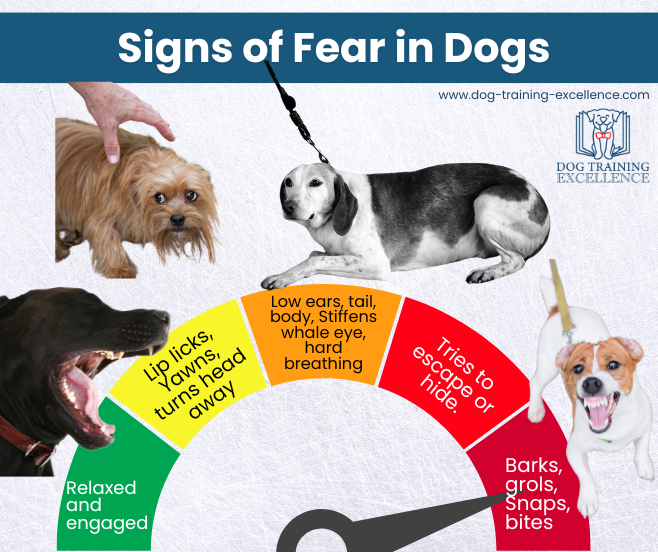
5 Signs of Fear in Dogs and How Training Helps. It’s interesting to note that a dog’s bark can communicate a range of emotions, from excitement to fear. Many owners might not realize that excessive barking often stems from feelings of insecurity. When a dog lacks confidence or feels threatened, barking becomes their primary way of asserting presence and warding off perceived danger.
Historically, domestic dogs have relied on their bark to alert humans to potential intruders or threats, a trait passed down from their wild ancestors. Estimates suggest that about 40% of pet dogs exhibit signs of anxiety which could lead to disruptive barking. Integrating behavior modification techniques and providing a stable environment can effectively mitigate these issues, offering both pets and owners some much-needed peace.
Insecure dog barking often stems from anxiety, fear, or lack of confidence. Key strategies to manage this include providing a stable environment, consistent routines, and positive reinforcement training. Addressing medical issues and seeking professional help from a certified dog trainer can also be effective in reducing barking behaviors.
Understanding the Causes of Insecure Dog Barking
One of the main causes of insecure dog barking is separation anxiety. Many dogs feel stressed when their owners leave the house, causing them to bark excessively. This separation anxiety can stem from a lack of confidence and fear of being left alone. It’s especially common in rescue dogs or those with a history of neglect. Addressing these issues requires patience and gradual changes in the dog’s routine.
Another significant factor is environmental changes. Dogs are highly sensitive to changes in their surroundings, which can trigger insecurity. Moving to a new home or rearranging furniture can make a dog feel unsettled. Inconsistent routines can also contribute to this anxiety. Providing a stable environment is key to helping a dog feel more secure.
Additionally, lack of socialization can lead to insecure barking. Dogs that have not been properly socialized might become fearful of other animals or people, prompting them to bark. This behavior can be worse in adult dogs that haven’t had positive interactions during their formative years. Socialization should be a continuous process throughout the dog’s life.
Medical conditions can also cause insecurity in dogs. Issues like hearing loss or cognitive decline in older dogs can make them more prone to barking. Pain or discomfort from medical problems can also lead to anxiety-driven barking. Regular veterinary check-ups are essential to rule out or address these underlying medical issues.
Identifying emotional triggers and environmental factors
Emotional triggers such as fear or past trauma can cause a dog to bark excessively. A loud noise, like thunder or fireworks, can be a major trigger. Dogs often have a keen memory for negative experiences, which can make them react strongly to similar situations in the future. Additionally, the presence of unfamiliar people or animals can make a dog feel threatened. Identifying these triggers is essential for effective behavior modification.
Environmental factors like changes in household structure can also affect a dog’s barking. For instance, the arrival of a new baby or pet can disrupt the dog’s sense of security. Similarly, frequent visitors or noisy neighbors can make the dog feel anxious. In a busy neighborhood, the constant activity outside can keep the dog on high alert. Reducing these environmental stressors can help in managing the barking.
Weather conditions play a role as well. Storms or extreme temperatures can make dogs feel uncomfortable, leading to bouts of barking. Sudden weather changes can be especially unsettling for dogs that are sensitive to their surroundings. Providing a safe and comfortable indoor space during such times can minimize their stress. Ensuring your dog is well-protected from harsh weather is also crucial.
Another significant factor is the dog’s daily routine. Inconsistent schedules, such as irregular feeding times or unpredictable walks, can make a dog feel insecure. Dogs thrive on routine and knowing what to expect helps them feel more relaxed. Maintaining a consistent daily schedule is helpful. It also aids in building the dog’s confidence and reducing unnecessary barking.
Communicative Purposes of Barking in Dogs
Barking is a primary way dogs communicate with humans and other animals. It can signal excitement when greeting someone familiar. Dogs also bark to alert their owners to potential dangers, such as strangers approaching the house. This type of alert barking is often instinctive. It serves as a natural way for dogs to protect their territory.
Dogs may bark when they want attention or something specific, like food or playtime. This demand barking can be persistent until the dog’s needs are met. Dogs are quick learners and realize that barking often gets them what they want. Owners sometimes inadvertently reinforce this behavior. Recognizing and addressing the root cause can help manage this type of barking.
Social barking occurs when dogs respond to the barks of other dogs. This is common in neighborhoods with many pets. The sound of one dog barking can set off a chain reaction among the nearby dogs. This is their way of communicating within their social group. Keeping windows closed and creating a quiet space can reduce this barking.
Finally, dogs may bark out of boredom or loneliness. When left alone for long periods, dogs can feel isolated and unhappy. This results in repetitive barking as they try to express their distress. Providing mental stimulation and regular exercise can alleviate this boredom. Engaging toys and puzzle feeders are excellent solutions for keeping dogs entertained.
Behavioral Training Solutions for Insecure Barking
One effective solution for insecure barking is positive reinforcement training. Rewarding the dog for calm behavior teaches them to associate quiet moments with positive outcomes. This could involve giving treats, praise, or petting when the dog stops barking. Consistency is crucial in this approach. Over time, the dog learns that staying quiet leads to rewards, reducing their insecure barking.
Another method is desensitization and counter-conditioning. Gradually exposing the dog to the trigger in a controlled way can help them become less reactive. For example, if a dog barks at passing cars, you can slowly expose them to the sound from a distance while keeping them calm. Pairing the exposure with treats or praise helps change their emotional response. This approach requires patience and should be done gradually.
Creating a safe space for the dog is also beneficial. This can be a designated area in the home where the dog feels secure. Filling this space with favorite toys, blankets, and calming scents can help reduce anxiety. Adding a white noise machine can block out unexpected sounds. A familiar and comforting environment can significantly decrease barking due to insecurity.
Using interactive toys and puzzle feeders can keep the dog mentally stimulated. These tools engage the dog’s mind, making them less likely to bark out of boredom. Interactive toys often provide a form of enrichment that distracts the dog from their anxieties. Regular mental exercises can improve overall behavior. This not only reduces barking but also promotes a happier and healthier dog.
Leash training is another valuable technique. Practicing controlled walks where the dog is not allowed to bark at triggers can build confidence. Rewarding calm behavior during walks reinforces this positive state of mind. Gradual exposure to other dogs and people during walks can also bolster socialization. By maintaining control, you help the dog feel secure.
Professional help from Off Leash K9 Training 30 A can be very effective. A trainer can assess the specific causes of insecure barking and tailor a program to address them. They can provide expert guidance on techniques and monitor progress. Investing in professional training can yield substantial improvements. It offers a structured approach to managing and reducing insecure barking.
Frequently Asked Questions
Understanding the reasons behind why dogs bark and how to manage it can be challenging. Here are some common questions related to dog barking and helpful answers to guide you.
1. Why does my dog bark at strangers?
Dogs often bark at strangers due to territorial instincts which trigger them to alert their owners. This behavior is their way of protecting their home and family from potential threats. It can also stem from fear or anxiety about the unknown. Positive reinforcement training can help mitigate this behavior over time.
Exposure to various people in controlled settings can build the dog’s confidence. Slowly introducing new faces while rewarding the dog for calm behavior can reduce the barking. Consistency in these training sessions is key to achieving lasting results and making your dog feel more secure.
2. How can I stop my dog from barking at night?
Stopping a dog from barking at night involves creating a comfortable sleeping environment. Ensure your dog is well-exercised during the day to tire them out. Sometimes, dogs bark due to discomfort or the need to relieve themselves. Addressing these basic needs can greatly reduce nighttime barking.
Additionally, providing a quiet, dark space can promote better sleep. Consider white noise machines to mask outdoor sounds that might trigger barking. Implementing a consistent nighttime routine helps the dog understand when it’s time to sleep.
3. What are the causes of excessive barking in dogs?
Excessive barking can result from a variety of causes like boredom, anxiety, or lack of exercise. Dogs that are left alone for long periods may bark out of loneliness. Environmental factors such as noises or visual stimuli can also contribute to this behavior.
Identifying the root cause is essential for effective management. Providing mental and physical stimulation can address boredom and anxiety. Utilizing positive reinforcement techniques can further assist in reducing excessive barking.
4. Can medical issues cause a dog to bark excessively?
Yes, medical issues can lead to excessive barking in dogs. Pain, cognitive decline, or hearing loss are common reasons. Older dogs might bark more due to discomfort or confusion. It’s important to rule out medical conditions by consulting with a veterinarian.
Regular veterinary check-ups can help identify and address these issues early. Once medical causes are ruled out, behavioral techniques can then be effectively applied. Ensuring the dog is comfortable is crucial for minimizing barking caused by health issues.
5. How do I train my dog to bark less?
Training your dog to bark less involves consistent use of positive reinforcement techniques. Reward your dog when they are quiet and ignore them when they bark unnecessarily. This helps them understand that silence is rewarded while barking isn’t.
You can also use commands like “quiet” to teach your dog to stop barking on cue. Practice this command in different situations to generalize the behavior. Patience and consistency are vital for effective training and long-term behavior change.
How to Stop Dog Barking! | Cesar 911
Conclusion
Addressing insecure dog barking requires understanding its underlying causes, whether they’re emotional or environmental. By applying effective behavioral training solutions, owners can significantly reduce their dog’s anxiety and build confidence. A consistent routine and positive reinforcement are key strategies in this process.
Recognizing and managing the triggers of barking helps create a calmer, more secure environment for dogs. Professional guidance from trainers or veterinarians can further enhance these efforts. Ultimately, fostering a stable and supportive atmosphere benefits both the dog and the owner, promoting a healthier relationship.